The Untold History of Crowders, NC: A Deep Dive into Heritage and Mystery
Welcome to Crowders, North Carolina—a place where every brick has a story and the wind through the pines seems to whisper the names of those who came before. As a local expert for NC Uncovered, I’ve spent years roaming the backroads of our beautiful state, but there’s something uniquely magnetic about Crowders. It’s not just the history; it’s the way the past feels alive here.
To truly understand this town, you need to step off the main drag and dive into the Crowders Uncovered tour. This curated journey through the markers and monuments of Crowders is more than just a sightseeing trip; it’s an emotional trek through the heart of the Piedmont. Whether you are a history buff or a casual traveler, these stops will leave you with a profound appreciation for the resilience and culture of North Carolina.
Spiritual Pillars and Sacred Grounds
Our journey begins with the bedrock of the community: its faith and its final resting places. In the 19th century, Crowders was a burgeoning hub of spiritual life, and nowhere is this more evident than at the First Baptist Church of Crowders. Dating back to 1871, this historic church is a masterpiece of late-19th-century architecture. As you stand before its imposing facade, you can almost hear the echoes of the congregations that have gathered here for over 150 years. The church isn't just a building; it represents the growth and social cohesion of the Baptist community during a pivotal era of reconstruction in North Carolina.
Just a short distance away lies the Crowders Cemetery. Established in the early 19th century, this hallowed ground serves as the final home for many of the town’s early settlers. Walking through the rows of weathered headstones, you’ll find markers for Civil War veterans and pioneers who literally built this town from the ground up. It is a solemn site, yet fascinating for anyone interested in genealogy or the visual history of stone carving.
The Hero of the Piedmont: Captain William Crowder
Perhaps the most significant site for history enthusiasts is the Grave of Captain William Crowder. Captain Crowder is a name synonymous with local bravery. A true local hero, he fought in the infamous Battle of Gettysburg during the American Civil War. Returning to his namesake town, his legacy was cemented as a leader and a symbol of the town's enduring spirit. His grave is a place of pilgrimage for those looking to pay their respects to the sacrifices made during one of the darkest chapters of American history. The site is meticulously maintained, serving as a reminder of the weight of history that rests beneath the North Carolina soil.
Ancient Paths and New Beginnings
Crowders is a place where layers of history overlap. Long before European settlers arrived, the land was traversed by Indigenous peoples. The Old Indian Trail is a surviving segment of these ancient paths. Walking this trail today, you are stepping in the footprints of those who managed this land for centuries. It’s a humbling experience to realize that these trails were the original arteries of trade and travel in the region.
Moving forward to the 1860s, we encounter a site of immense social importance: the Freedmen’s Bureau Site. Following the Civil War, this site was a beacon of hope for newly freed slaves. The Bureau provided essential resources—education, legal help, and food—to help families reintegrate into a society that was rapidly changing. It marks a crucial chapter in the story of African American heritage in Crowders, highlighting the struggle and triumph of those seeking true freedom.
The Industrial Backbone: Tobacco and Iron
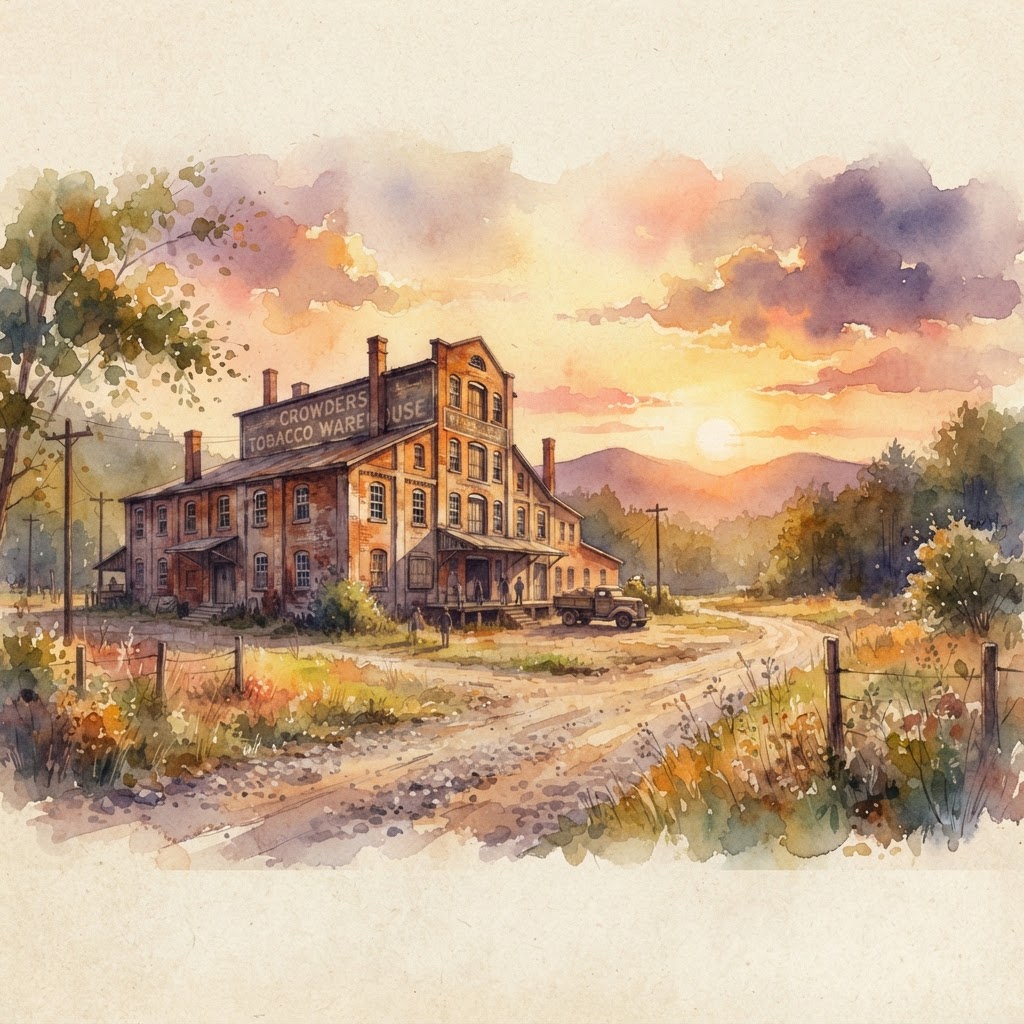
To understand the wealth and growth of Crowders, you have to look at its industry. In the late 1800s, tobacco was king. The Crowders Tobacco Warehouse stands as a monument to this golden age. This massive structure was once the hive of the local economy, where the finest tobacco crops in the county were processed and prepared for market.
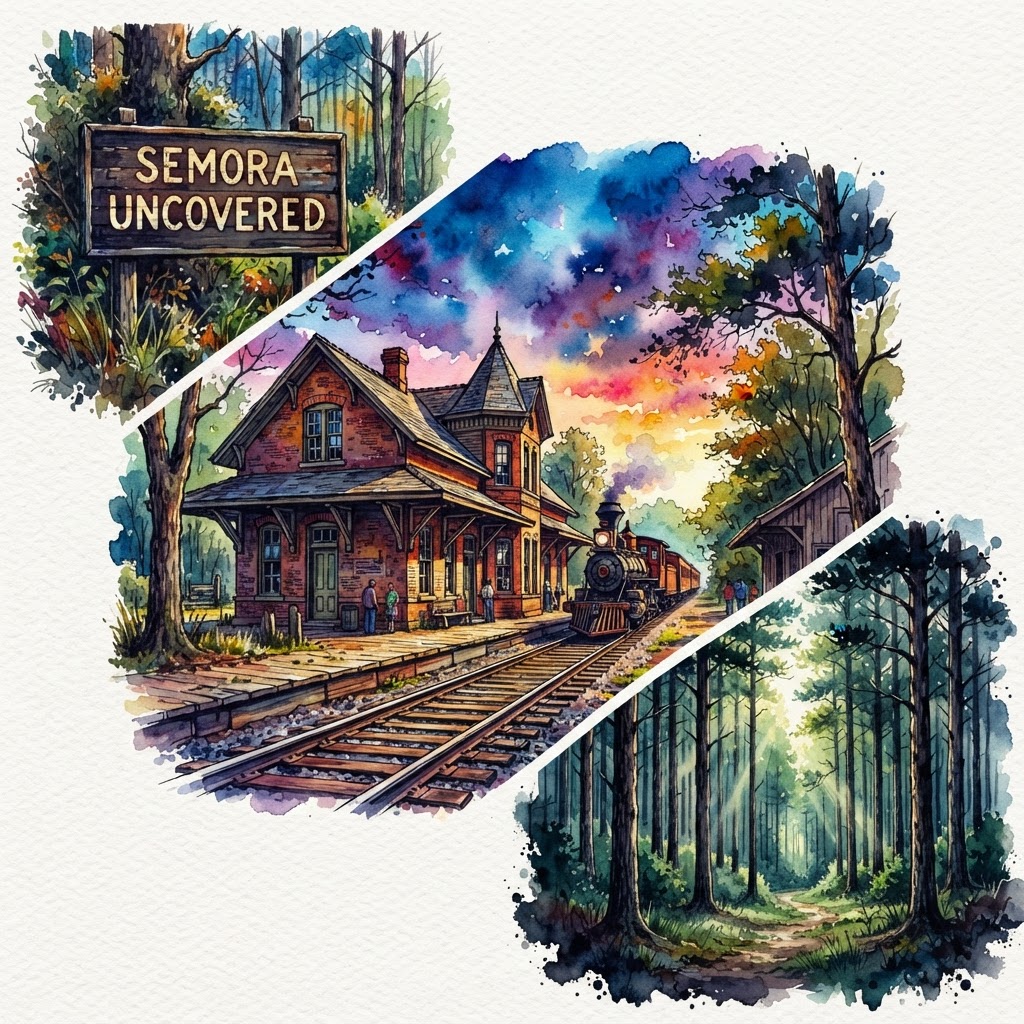
Related to this economic boom are the Railroad Depot Ruins. In the late 19th century, the railroad was the lifeblood of Crowders, allowing the tobacco stored in the warehouse to be shipped across the country. Today, the remnants of the depot offer a haunting look at the importance of the iron horse in developing rural North Carolina. The crumbling brickwork and rusted rails tell a story of a town that was once a vital cog in the American industrial machine.
The Secret Stop: Whispering Pines
Every great tour has a secret, and Crowders Uncovered is no exception. Tucked away from the main historical markers is a place known to locals as Whispering Pines. This hidden, tranquil grove is one of the most moving sites in the state. For generations, locals have come to this peaceful site to leave tokens of remembrance—small stones, ribbons, or flowers—for loved ones who have passed. It is not an official cemetery, but a living memorial that pulses with the collective memory of the community. The quiet here is profound, broken only by the soft sighing of the wind through the tall pines. It is the perfect place for reflection after a day of historical exploration.
Tips for Your Visit
- Wear comfortable shoes: The Old Indian Trail and the cemetery grounds can be uneven.
- Bring a camera: The architecture of the First Baptist Church and the textures of the Tobacco Warehouse are a photographer’s dream.
- Respect the sites: Especially at Whispering Pines and the cemetery, remember that these are sacred spaces for the locals.
FAQ about Crowders, NC
What is the best time of year to visit Crowders?
Spring and Fall are ideal. The North Carolina Piedmont is stunning when the dogwoods bloom in April or when the leaves turn in late October. The mild weather makes walking the Old Indian Trail much more enjoyable.
Is the Crowders Uncovered tour guided?
There are both self-guided maps available at the local visitor center and seasonal guided tours that offer deeper insights into the stories behind the markers.
How far is Crowders from Charlotte?
Crowders is a convenient day trip from Charlotte, located roughly 40 minutes west, making it an easy escape for those looking to swap the city skyline for historic charm.
Is Whispering Pines open to the public?
Yes, but it is a place of quiet reflection. Visitors are asked to keep noise to a minimum and to leave no trace of their visit, respecting the tokens left by others.
Conclusion
Crowders, North Carolina, is more than a dot on a map; it is a living museum of the American experience. From the deep roots of the Old Indian Trail to the industrial legacy of the Tobacco Warehouse, the Crowders Uncovered tour provides a comprehensive look at what makes this town special. Whether you're visiting the grave of Captain William Crowder or finding peace in the Whispering Pines, you'll leave with a piece of Crowders in your heart. Come see for yourself why this town is the pride of NC Uncovered.
Sponsored
Google Ads slot — will render here once AdSense is connected.
Share this article