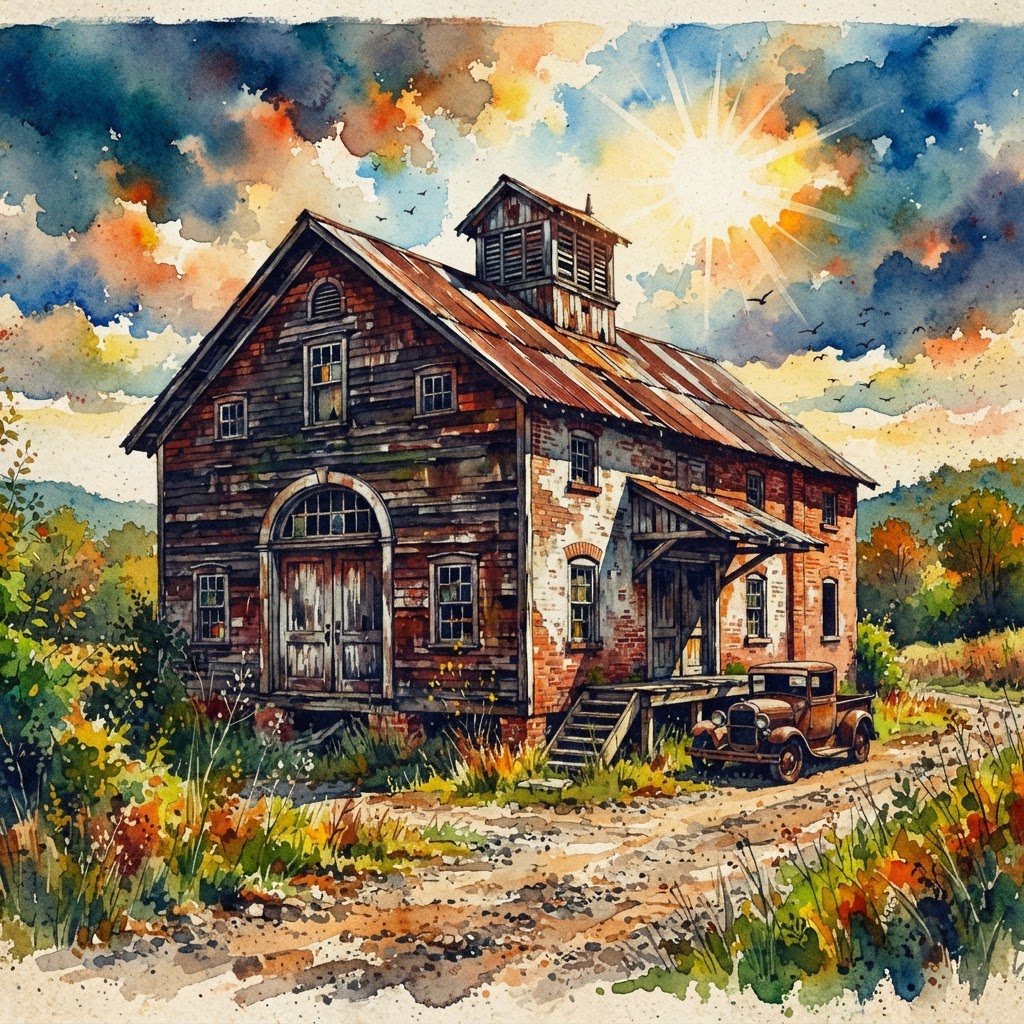
The Surprising History Behind Archdale: A North Carolina Hidden Gem\n\nIf you have ever driven through the heart of the Piedmont, you have likely passed through Archdale, North Carolina. To the casual observer, it might look like a peaceful, modern community, but beneath the surface lies a narrative that spans centuries. As a local expert for NC Uncovered, I have spent years digging into the stories that define our state, and I can tell you: Archdale is a place where history isn't just in books—it is etched into the landscape.\n\nToday, we are diving deep into the surprising history behind this town. We will explore the sites that shaped the region and show you how to experience them firsthand with our signature audio tour, Archdale Uncovered.\n\n## More Than Just a Pass-Through Town\n\nArchdale’s location has always been its greatest asset. Situated in the fertile lands of Randolph and Guilford counties, it has served as a crossroads for travelers for generations. But before it was a hub for modern transit, it was a land of profound cultural significance. To truly understand Archdale, you have to look beyond the storefronts and find the markers of those who came before.\n\n## 1. Ancient Footsteps on the Native American Heritage Trail\n\nOur journey begins long before the first European settlers arrived. The Native American Heritage Trail in Archdale is a recognized site that honors the Indigenous peoples who lived, hunted, and built communities in this region. This trail isn't just a scenic walk; it is a connection to a deep ancestral past. Walking this path, you can almost hear the echoes of the civilizations that thrived here, utilizing the natural resources of the Piedmont long before the modern world took shape. It is a must-see for anyone interested in the foundational history of North Carolina.\n\n## 2. A Legacy of Resilience: The Civil War and Reconstruction\n\nArchdale’s role in American history is perhaps most poignant during the 19th century. At the Civil War Memorial Park, the town commemorates its contributions and the heavy toll the conflict took on local families. It is a space for quiet reflection on the bravery and sacrifice of those who served.\n\nHowever, the story does not end with the war. One of the most significant yet overlooked sites in town is the Freedmen’s Bureau Site. Post-Civil War, this location was vital in helping newly freed enslaved people transition to life in freedom. The bureau provided essential education and legal assistance, acting as a beacon of hope during one of the most transformative eras in American history. Including this stop on the Archdale Uncovered tour ensures that this vital chapter of African American heritage is never forgotten.\n\n## 3. The Economic Engine: Tobacco and the Rails\n\nIf you want to know what built Archdale’s wealth, look no further than the Tobacco Warehouse District. In the 19th century, tobacco was king, and these warehouses were the heart of the local economy. Situated near the old railway lines, this district was a hive of activity where the "golden leaf" was processed and shipped across the country.\n\nRight next door, the Old Archdale Depot tells the other half of the story. Built in the late 1800s, this railroad depot was the lifeline of the town. It transported people, goods, and news, weaving Archdale into the fabric of the growing American economy. While the steam whistles are long gone, the architecture of the district still whispers stories of industrial ambition.\n\n## 4. Education and Community Roots\n\nAs the town grew, so did its commitment to its citizens. The Oakwood School, built in 1929, stands as a testament to the educational advances of the early 20th century. This historic schoolhouse served generations of students and remains a point of local pride. It reflects a time when the community invested heavily in the future of its children, creating a legacy of learning that continues today.\n\nFor a deeper look into the families that built this town, a visit to the Archdale Cemetery is essential. Established in the early 1800s, it is the final resting place for the pioneers and early settlers of the area. Walking through the rows of headstones is like reading a guest list of Archdale’s history, from the first farmers to the leaders of the industrial boom.\n\n## 5. The Secret Stop: The Old Stone Bridge\n\nOne of the greatest joys of our Archdale Uncovered tour is discovering the places that even locals sometimes miss. The Old Stone Bridge is our favorite "secret stop." Tucked away in a serene, wooded area, this bridge dates back to the early 1900s. It has silently witnessed the evolution of Archdale over the decades, surviving floods and the march of progress. It is the perfect spot for a photo or a moment of peace, offering a tangible link to a simpler time.\n\n## Experience the Magic with Archdale Uncovered\n\nHistory is meant to be experienced, not just read about. That is why we created the Archdale Uncovered audio tour. This self-guided experience allows you to walk through these sites at your own pace while hearing the stories, legends, and facts that bring them to life. Whether you are a history buff, a local resident, or a traveler looking for a unique detour, this tour offers a perspective on Archdale you won’t find anywhere else.\n\nBy downloading the tour, you are not just seeing the sights; you are supporting the preservation of North Carolina’s hidden gems. Archdale is waiting to tell you its story—are you ready to listen?\n\n--- \n\n## Frequently Asked Questions (FAQ)\n\nQ: What is the best time of year to take the Archdale Uncovered tour?\n\nA: Spring and Fall are the most beautiful seasons for the tour, as the Native American Heritage Trail and the Old Stone Bridge are surrounded by vibrant foliage and mild temperatures.\n\nQ: Is the Archdale Uncovered tour family-friendly?\n\nA: Absolutely! The tour is designed for all ages. Kids especially love exploring the Old Stone Bridge and the historic train depot, while parents appreciate the educational value of the Freedmen's Bureau Site.\n\nQ: How long does it take to complete the full tour?\n\nA: Depending on your pace, the tour typically takes between 1.5 to 2.5 hours. This allows plenty of time to stop for photos and enjoy the atmosphere at each location.\n\nQ: Are the stops on the tour accessible?\n\nA: Most stops, such as the Civil War Memorial Park and the Tobacco Warehouse District, are easily accessible. However, some areas of the Native American Heritage Trail may involve uneven terrain, so comfortable walking shoes are recommended.
Sponsored
Google Ads slot — will render here once AdSense is connected.
Share this article
#Archdale#North Carolina#History#Hidden Gems#Audio Tours#Travel Guide