Welcome to the Heart of the High Country
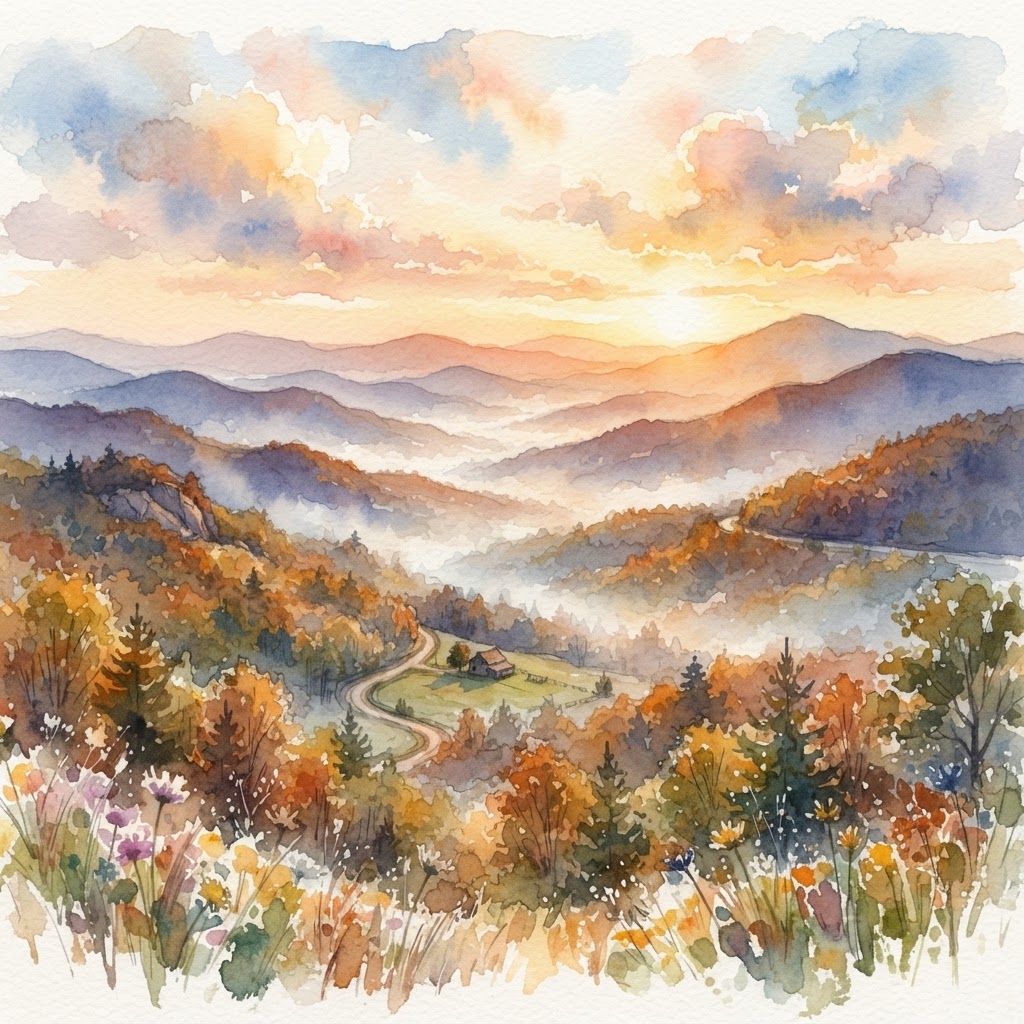
There is a magic to the Blue Ridge Mountains that goes far beyond the scenic overlooks and the winding Blue Ridge Parkway. If you take the time to pull off the road and wander into the quiet corners of the region, you find stories—stories that shaped the very soil we walk on. Nowhere is this more apparent than in the charming, unassuming community of Laurel Springs.
I recently had the chance to embark on the Laurel Springs Uncovered: Doughton Legacy & Early Homesteads tour, and it completely changed how I view this stretch of North Carolina. It’s not just a collection of historical plaques; it’s a masterclass in how we remember, why we celebrate certain figures, and the lives of the people who built the foundation of the Appalachians.
The Doughton Legacy: More Than Just a Name
When you drive through the area, you’ll notice the name 'Doughton' appearing with regularity. The tour starts by examining the Doughton Markers—specifically the twin markers dedicated to Robert L. Doughton. It’s fascinating to see how the repetition of a name solidifies a local identity. Standing by these markers, you start to understand the weight of Robert Lee Doughton’s influence on the region’s politics and infrastructure. But the tour goes deeper than the politician; it forces us to compare the twin markers and consider why certain public memories are duplicated and preserved while others fade into the woods.
Walking the Path of the Homesteads
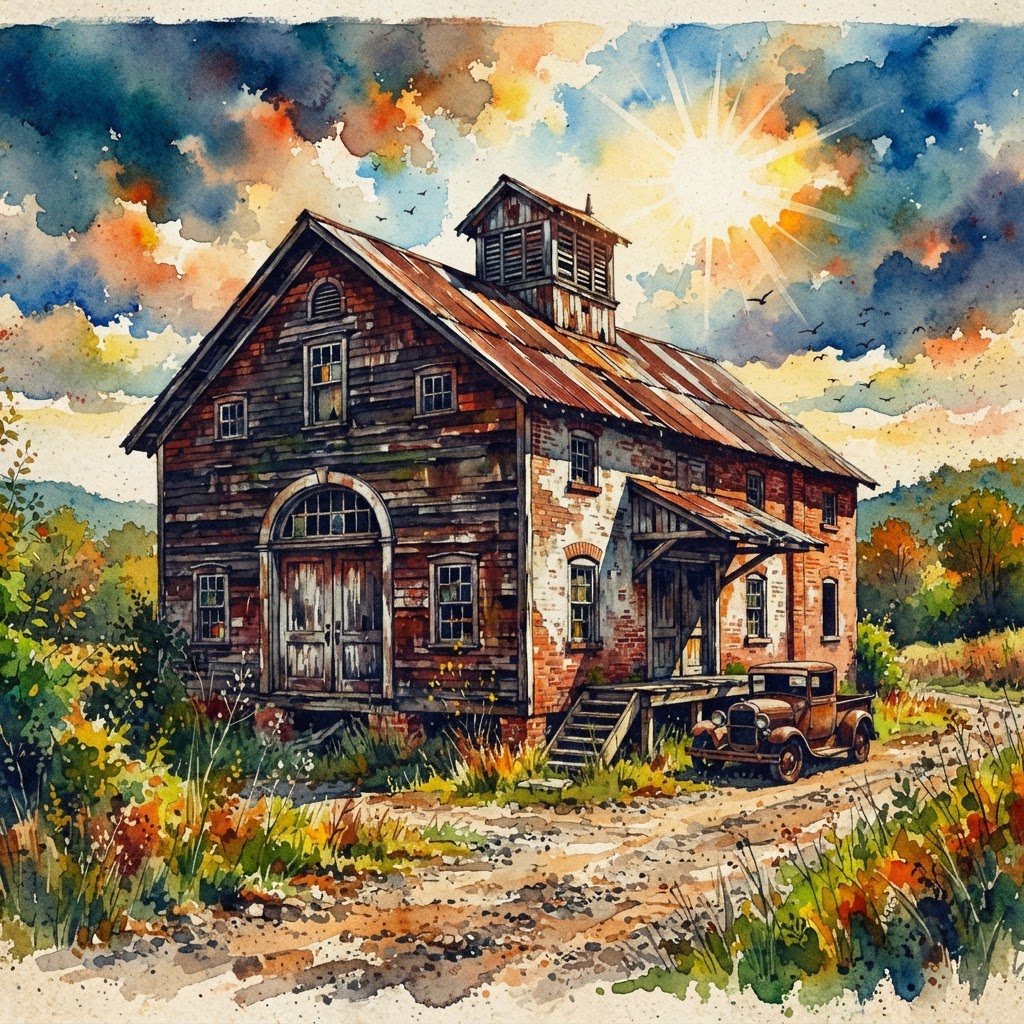
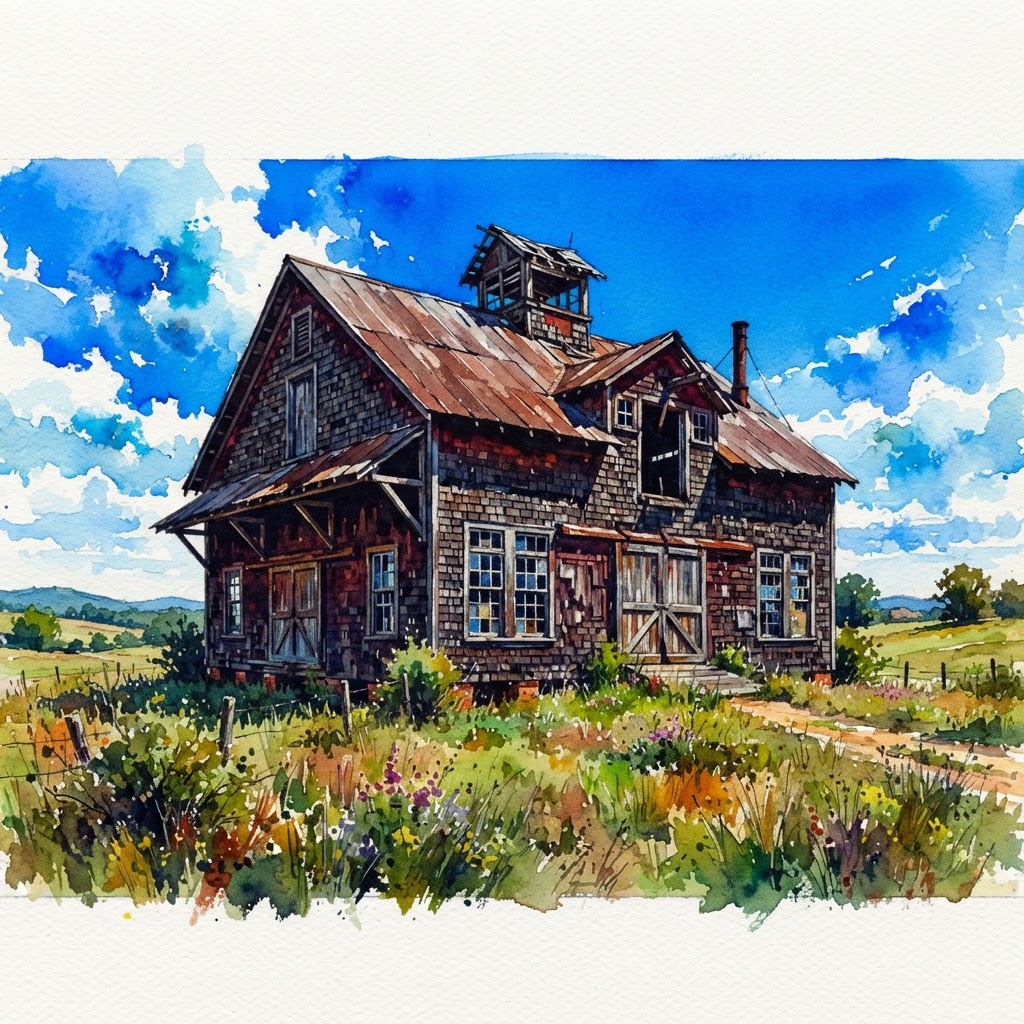
Moving away from the political figures, the tour shifts focus toward the Homestead Markers. These simple signs, reading merely 'Homestead,' serve as beacons pointing toward the domestic history of the early settlers.
- Grounds and Setting: The land itself is a character. Notice how the markers sit against the backdrop of rolling hills and cleared meadows—a testament to the labor required to etch a living out of the mountain terrain.
- Family House: These markers aren't just about buildings; they are about the lives lived within the walls. They honor the families who raised children, survived harsh winters, and built communities in isolation.
Partners in Memory: The Role of Mary Shaw Luke
One of the most touching aspects of the tour is the marker for Mary Shaw Luke. Often, history books focus on the man, but this stop highlights the marital partnership in public commemoration. Recognizing her alongside her husband reminds us that the history of a place is never the work of one person—it’s a collective, domestic effort.
Reflecting at the Culmination
At the end of the tour, the Laurel Springs Markers serve as a reflection point. As you stand looking out over the landscape, you find yourself thinking about the choices we make in who we choose to memorialize. Why do we mark a house? Why do we name a road? Laurel Springs isn't just a place to visit; it's a place to contemplate our own connection to the past.
Frequently Asked Questions
What is the best time of year to visit Laurel Springs?
Fall is absolutely breathtaking with the foliage, but spring offers a lush, green perspective on the homestead landscapes that is equally beautiful.
Is the Laurel Springs Uncovered tour family-friendly?
Absolutely! It’s a wonderful way to teach kids about local history in an engaging, self-paced way that gets them outside.
Do I need a guide for the Doughton Legacy tour?
While you can explore these markers on your own using the 'Laurel Springs Uncovered: Doughton Legacy & Early Homesteads' itinerary, having a local guide can provide additional context that isn't on the signs themselves.
Sponsored
Google Ads slot — will render here once AdSense is connected.
Share this article