The Original Washington: A Journey Through North Carolina's Deepest Roots
If you ask most people about 'Washington,' their minds immediately fly to the marble monuments and bustling streets of D.C. But here in North Carolina, we know better. Long before the nation’s capital was even a blueprint, there was a small, vibrant town perched on the banks of the Pamlico River that claimed the name first. Welcome to Washington, North Carolina—affectionately known as 'Little Washington'—a place where the water reflects centuries of American ambition, struggle, and resilience.
As a local expert for NC Uncovered, I’ve walked countless miles across our beautiful state, but few places punch so far above their weight class historically as Washington. To truly understand this town, you have to take the Washington Heritage Tour. This curated walk through time isn't just about dates and names; it’s about the ghosts, the traders, and the pioneers who built the South. Grab your walking shoes and a sweet tea—we’re diving deep into the heart of the Inner Banks.
The Lifeblood of the Town: The Washington Waterfront
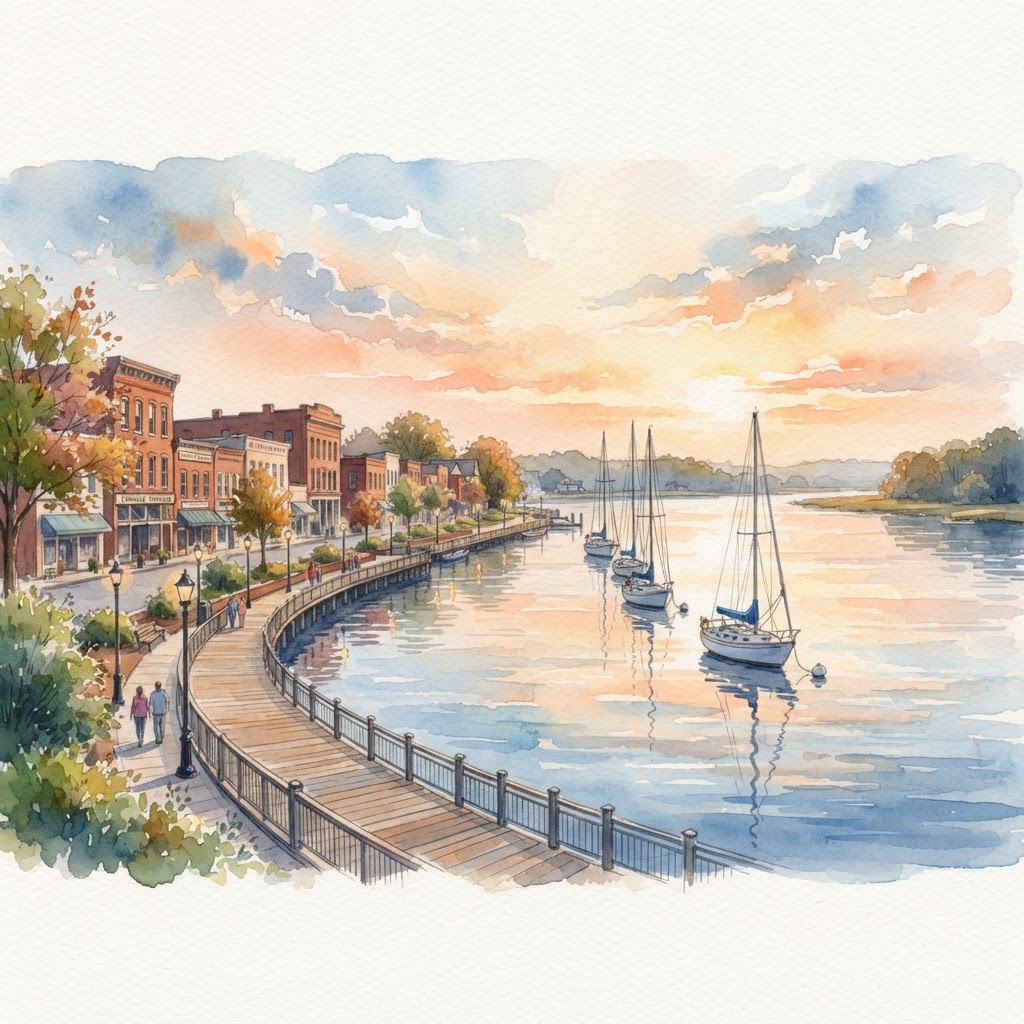
Our journey begins where the town itself began: the Washington Waterfront. Standing here today, watching the sun glint off the Pamlico River, it’s easy to feel the peace. But two centuries ago, this was a cacophony of commerce. This waterfront was the stage for Colonial tobacco traders and Revolutionary War heroes who docked their vessels to supply the burgeoning colony.
During the Revolution, Washington served as a critical supply port when larger cities like Savannah and Charleston were under British occupation. The bravery of the sailors here kept the American spirit alive. Today, the boardwalk offers a more tranquil experience, but if you look closely at the architecture lining the shore, you can still see the bones of a maritime empire that refused to be intimidated by the British Crown.
The Engine of Industry: Tobacco and Trains
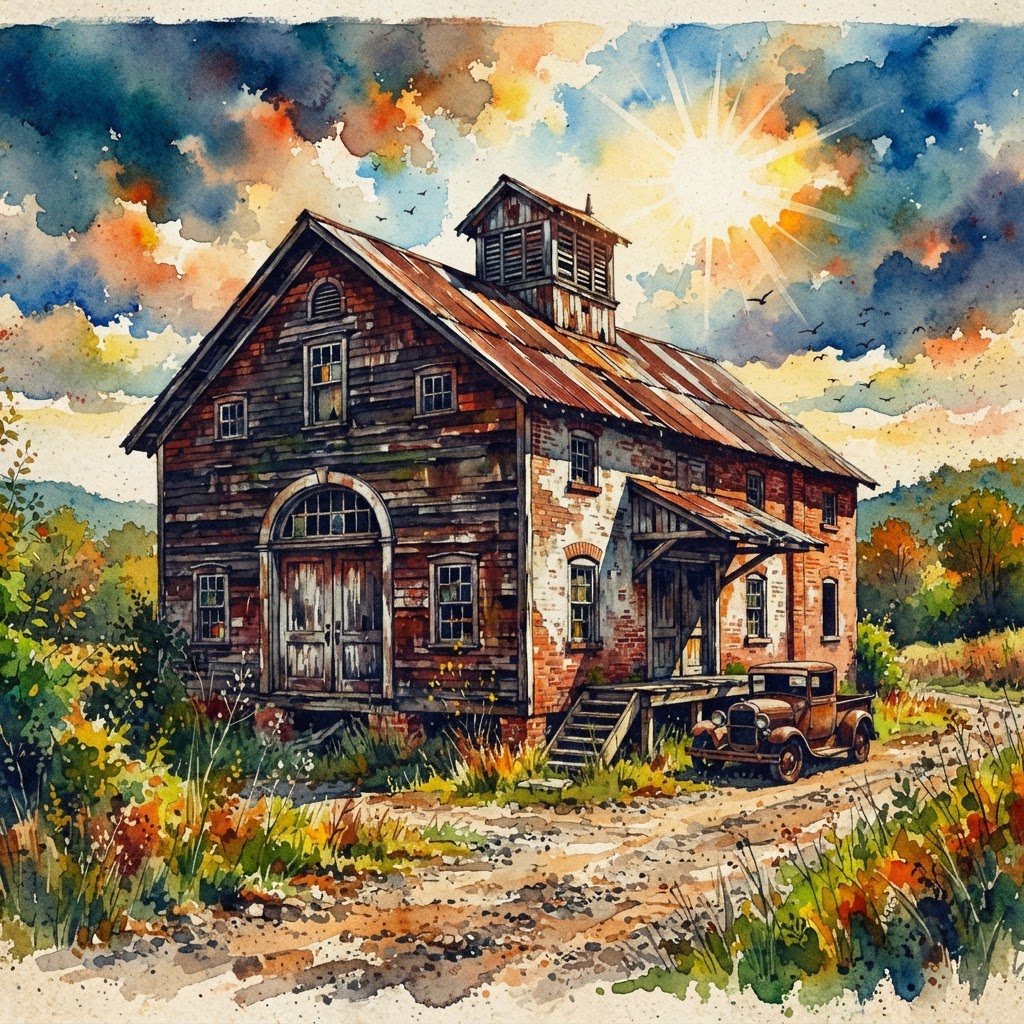
To understand the wealth that built the grand homes of Washington, you have to understand tobacco. Just outside the main town center, the Tobacco Plantation Site serves as a somber reminder of the industry that once dominated the landscape. These remnants tell a complex story of agricultural innovation and the immense challenges faced by both the owners and the enslaved workers whose labor fueled the economy.
This economic legacy continues at The Salvation Army Building. While it now serves as a beacon of community support, it was originally a massive tobacco warehouse. The transformation of this space from a site of raw industrial trade to a place of community healing is a beautiful metaphor for Washington’s own evolution. Similarly, the Pitt County Historical Society, though focused on the region, often highlights the tobacco economy within its exhibits housed in another historic warehouse space, bridging the gap between Indigenous roots and the 20th-century boom.
Of course, you couldn't move all that 'brown gold' without the railroad. The Old Washington Depot stands as a testament to the late 19th-century boom. Once a bustling hub of transportation, the depot was the gateway for goods and people, connecting this river town to the rest of the rapidly industrializing South. Walking through the area, you can almost hear the steam whistles and the clatter of carts on the tracks.
Stories of Freedom and Conflict
Washington’s history isn't all commerce and river views; it was a front line during the Civil War. One of the most significant stops on the Washington Heritage Tour is the Freedmen's Bureau Office. In the wake of the war, this site was a beacon of hope for newly freed African Americans. The Bureau provided essential services, helping people transition from the horrors of slavery to the complexities of freedom, education, and legal equality. It is a powerful, necessary stop that grounds the tour in the reality of the American struggle for civil rights.
For a different look at the war's impact, we visit Washington’s Historic Cemetery. This is a sacred space where the town’s timeline is written in stone. You’ll find the graves of the town’s founders resting alongside Civil War veterans from both sides of the conflict. The moss-draped oaks provide a canopy for a quiet reflection on the lives that shaped North Carolina.
The SECRET STOP: The Ghost of the Hanging Tree
Every historic town has its dark corners, and Washington is no exception. Tucked away from the main thoroughfares is our SECRET STOP: The Ghost of the Hanging Tree. This isn't your typical tourist attraction, but it is a vital part of the local lore. This hidden remnant is said to be the site of executions during the tumultuous Civil War years. Locals speak of a heavy atmosphere surrounding the spot, carrying stories of both justice and terrible injustice. Whether you believe in the supernatural or not, the history here is palpable, reminding us that the path to the present was often paved with difficult choices.
Why You Should Visit Now
Washington, North Carolina, is currently undergoing a beautiful renaissance. New boutiques, farm-to-table restaurants, and art galleries are breathing new life into these historic brick buildings. By taking the Washington Heritage Tour, you aren't just looking at the past; you’re supporting the preservation of a uniquely American story.
Essential Tips for Your Tour:
- Best Time to Visit: Spring and Fall offer the mildest weather for walking. The azaleas in April are breathtaking.
- Local Eats: After your tour, head to the waterfront for some fresh Pamlico Sound seafood. The shrimp grits are a local staple.
- Photography: The Old Washington Depot and the Waterfront offer the best lighting during the 'Golden Hour' just before sunset.
Frequently Asked Questions (FAQ)
Q: How long does the Washington Heritage Tour take? A: To see all the major stops comfortably, plan for about 2 to 3 hours. It’s a very walkable town, but you’ll want time to read the plaques and soak in the river views.
Q: Is Washington, NC the same as Washington, DC? A: No! Washington, North Carolina was the first town in America to be named after George Washington (incorporated in 1776). We like to call it the 'Original Washington.'
Q: Is the Ghost of the Hanging Tree easy to find? A: It’s a bit of a local secret! It’s best to ask a guide at the Pitt County Historical Society or a local shopkeeper for the exact current path, as it remains a quiet, unmarked site to respect its history.
Q: Is the tour kid-friendly? A: Absolutely. The waterfront has plenty of space for kids to run, and the stories of ships and trains usually capture their imagination. However, parents may want to gauge the age-appropriateness of the Hanging Tree and Freedmen's Bureau stories.
Washington is a place where history isn't tucked away in a dusty book; it’s lived on every corner. Whether you’re a die-hard history buff or just looking for a beautiful North Carolina weekend getaway, the Washington Heritage Tour is an experience you won't soon forget.
Sponsored
Google Ads slot — will render here once AdSense is connected.
Share this article