The Hidden Heart of Edgecombe: Why You Need to Take the Leggett Uncovered Tour
There is a specific kind of magic found in the small towns of Eastern North Carolina. It is the smell of curing tobacco, the shade of ancient oaks, and the quiet dignity of places that have stood the test of time. Today, we are heading to Edgecombe County to explore a town that many pass through, but few truly see. Welcome to Leggett, North Carolina.
At NC Uncovered, our mission is to peel back the layers of the Tar Heel State to find the stories that haven't been told. That is exactly what the Leggett Uncovered tour does. This isn't just a walk through a town; it is a chronological journey through the Indigenous roots, the colonial struggles, and the industrial booms that shaped the South.
The Secret of Old Cedar Crossing
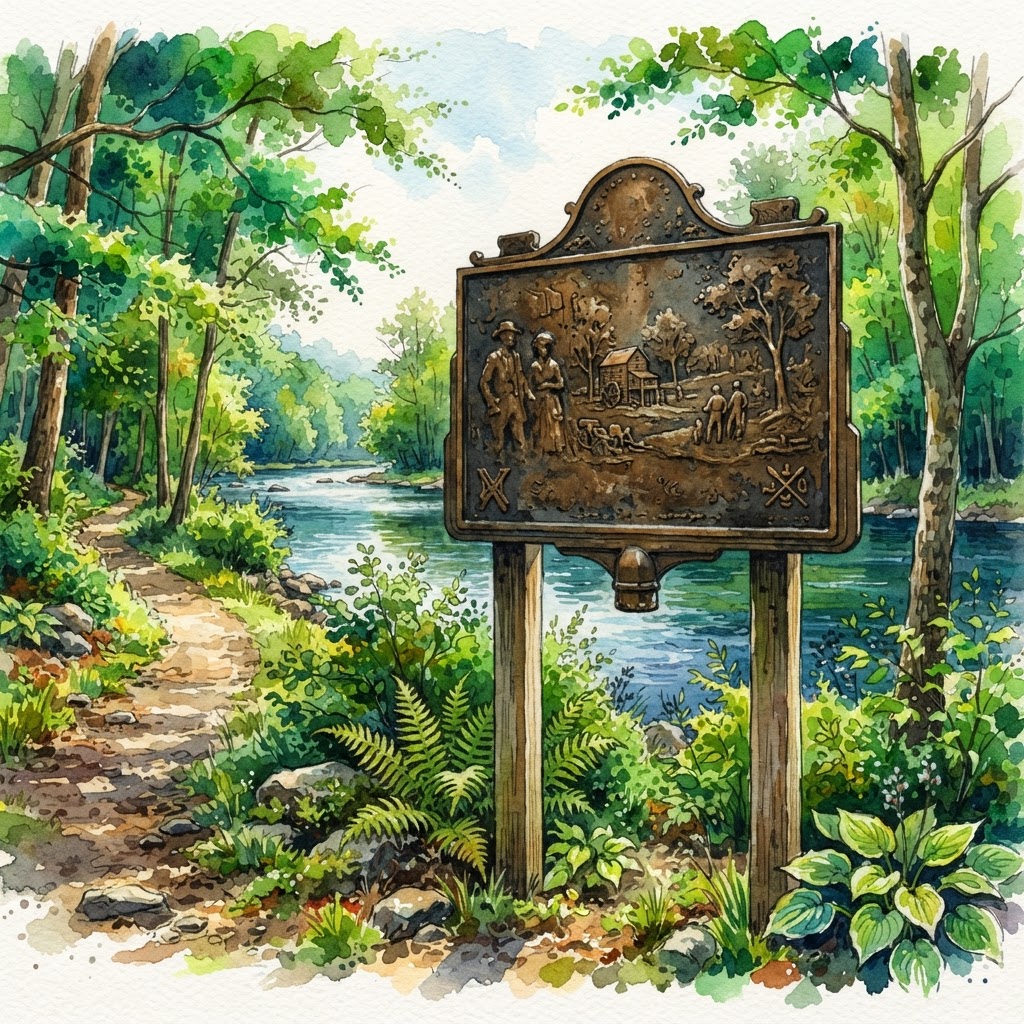
Every great tour needs a mystery, and the Leggett Uncovered experience starts with a literal hidden gem. Tucked away near a dramatic bend in the river, the Old Cedar Crossing is a site that isn't on your typical GPS.
Centuries ago, this was a bustling artery for local traders. If you stand still enough, you can almost hear the splashing of horses and the low chatter of merchants. Today, it is lush with overgrowth, reclaimed by nature but still vibrating with the energy of the people who once relied on it. It’s a poignant reminder that even the most vital roads can eventually fade into the forest.
Honoring the First Peoples: The Indigenous Heritage Site
Long before the first European settlers arrived in Edgecombe County, this land was home to the Tuscarora and other Indigenous tribes. The Indigenous Heritage Site in Leggett is a vital stop that honors this rich cultural history.
While much of this history was systematically overlooked in previous centuries, this site serves as a physical acknowledgment of the people who first stewarded this land. It is a place of reflection, reminding us that the story of Leggett began thousands of years ago.
Graves and Legacies: The Notable Graves of Leggett
History is best understood through the people who lived it. At the Notable Graves of Leggett, the town’s legacy becomes personal. Here, you’ll find the resting places of the early town founders who built the infrastructure we see today.
But perhaps more importantly, the site features the graves of pivotal Civil Rights activists. These individuals fought for justice in a time when the stakes were unimaginably high. Standing among these markers, you feel the weight of their sacrifice and the continuity of the American struggle for equality.
The Civil War and Reconstruction
Leggett’s role in the 19th century is marked by two distinct sites that offer a complex look at our nation's history:
- The Civil War Monument: This solemn site commemorates the soldiers from Leggett who fought during the conflict. It serves as a place to honor their contributions and recognize the profound impact the war had on small Southern communities.
- The Freedmen’s Bureau Site: Perhaps one of the most significant stops on the Leggett Uncovered tour, this site marks where agents worked tirelessly to support formerly enslaved people. In the shadow of the Civil War, this was a place of hope where individuals sought land, education, and the legal rights they had long been denied.
The Golden Leaf: Leggett’s Tobacco Empire
To understand Leggett, you have to understand tobacco. In the early 20th century, tobacco was king, and Leggett was one of its most loyal subjects.
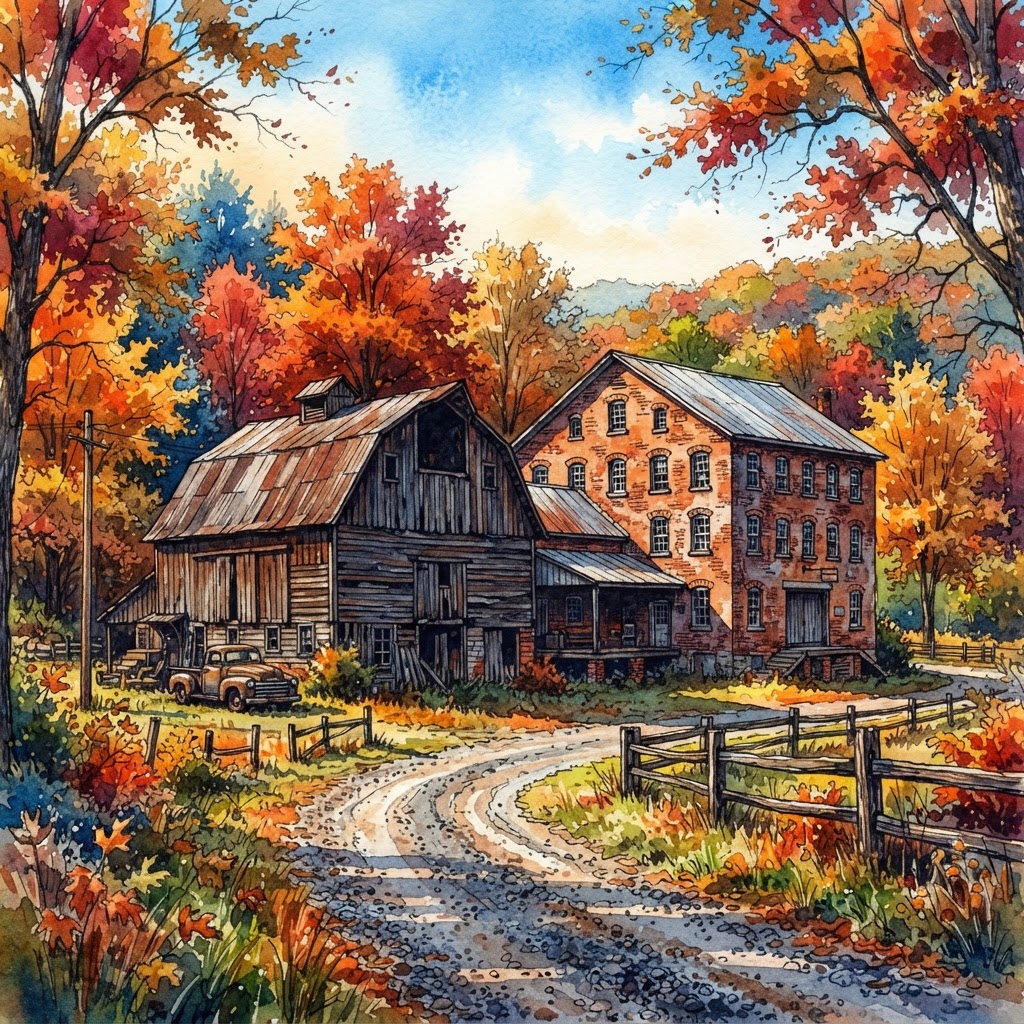
Tobacco Warehouse No. 5 is a stunning piece of industrial architecture from the early 1900s. Walking through its vast interior, you can almost smell the sweet, earthy aroma of the golden leaf. This warehouse was the economic heartbeat of the town, reflecting the era's agricultural reliance on this cash crop.
Just a short distance away is the Leggett Depot. Constructed in the late 19th century, the depot was the vital link between local farmers and the global market. Before the age of interstate highways, the railroad was the only way to move the massive quantities of tobacco produced here. The depot stands as a symbol of the backbone of the economy during Leggett's peak years.
A Final Resting Place: Leggett Cemetery
We conclude our journey at the Leggett Cemetery. This is the final resting place for the town’s earliest settlers and veterans of the Civil War. Unlike the 'Notable Graves' site which focuses on specific figures, the cemetery is a broader tapestry of the town’s genealogy. Each gravestone, from the weathered marble of the 1800s to the more modern granite, tells a story of a life lived in this corner of North Carolina.
Tips for Your Visit
- Wear Comfortable Shoes: Some sites, like Old Cedar Crossing, require a bit of walking on uneven ground.
- Bring a Camera: The Tobacco Warehouse and the Depot offer incredible opportunities for photography enthusiasts.
- Respect the Sites: Many of these locations are sacred or historical; please stay on marked paths.
Frequently Asked Questions (FAQ)
Q: How long does the Leggett Uncovered tour take?
A: To truly appreciate all eight stops, we recommend budgeting about 3 to 4 hours. This allows time for reading the markers and taking photos.
Q: Is the tour family-friendly?
A: Absolutely! It’s a fantastic way to teach children about local history, from Indigenous heritage to the Industrial Revolution.
Q: Are the sites accessible?
A: Most sites are easily accessible by car with short walks to the markers. However, the Old Cedar Crossing can be a bit more rugged depending on recent weather.
Q: Where can I get more information about the tour?
A: Keep following NC Uncovered for the latest updates on historical tours and hidden gems across North Carolina!
Leggett may be small, but its stories are massive. Whether you are a history buff or just a curious traveler, the Leggett Uncovered tour offers a rare glimpse into the soul of the South. Don't just drive through—stop and listen to what the land has to say.
Sponsored
Google Ads slot — will render here once AdSense is connected.
Share this article