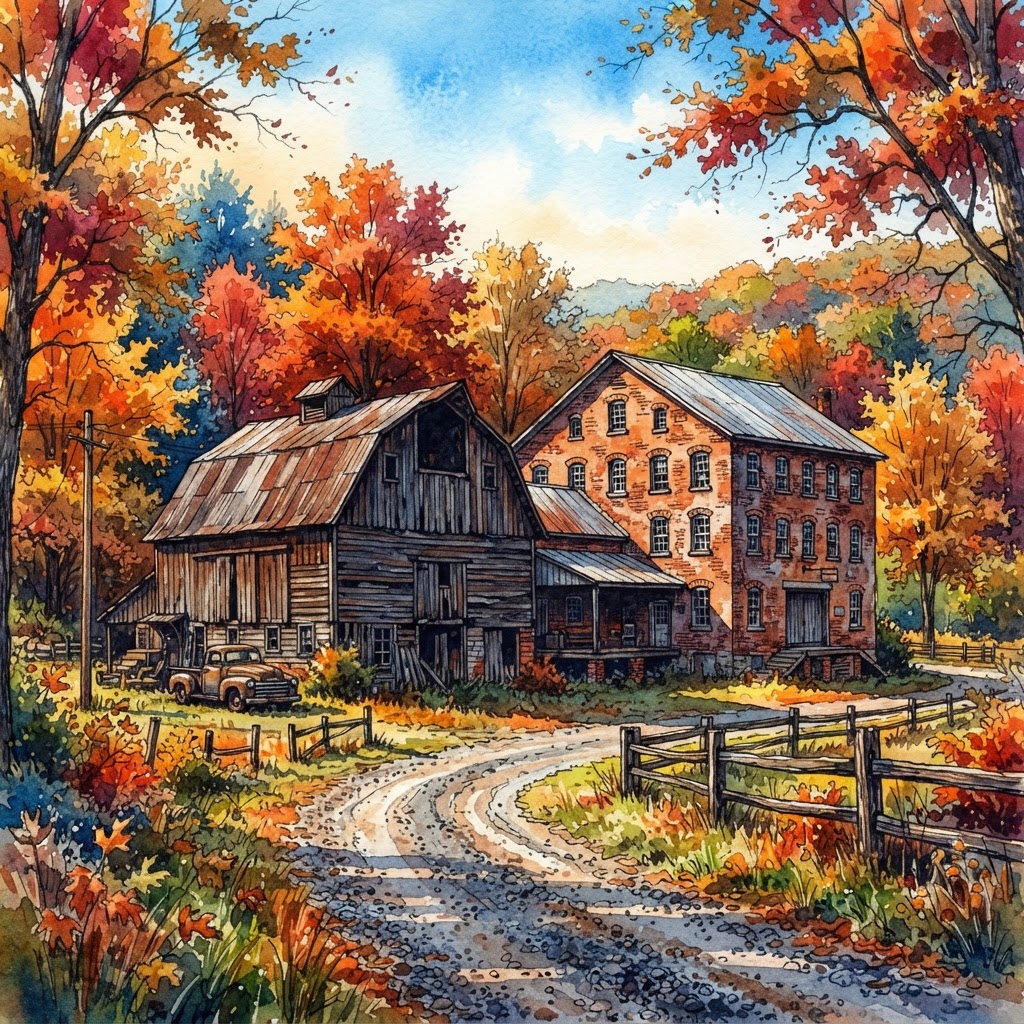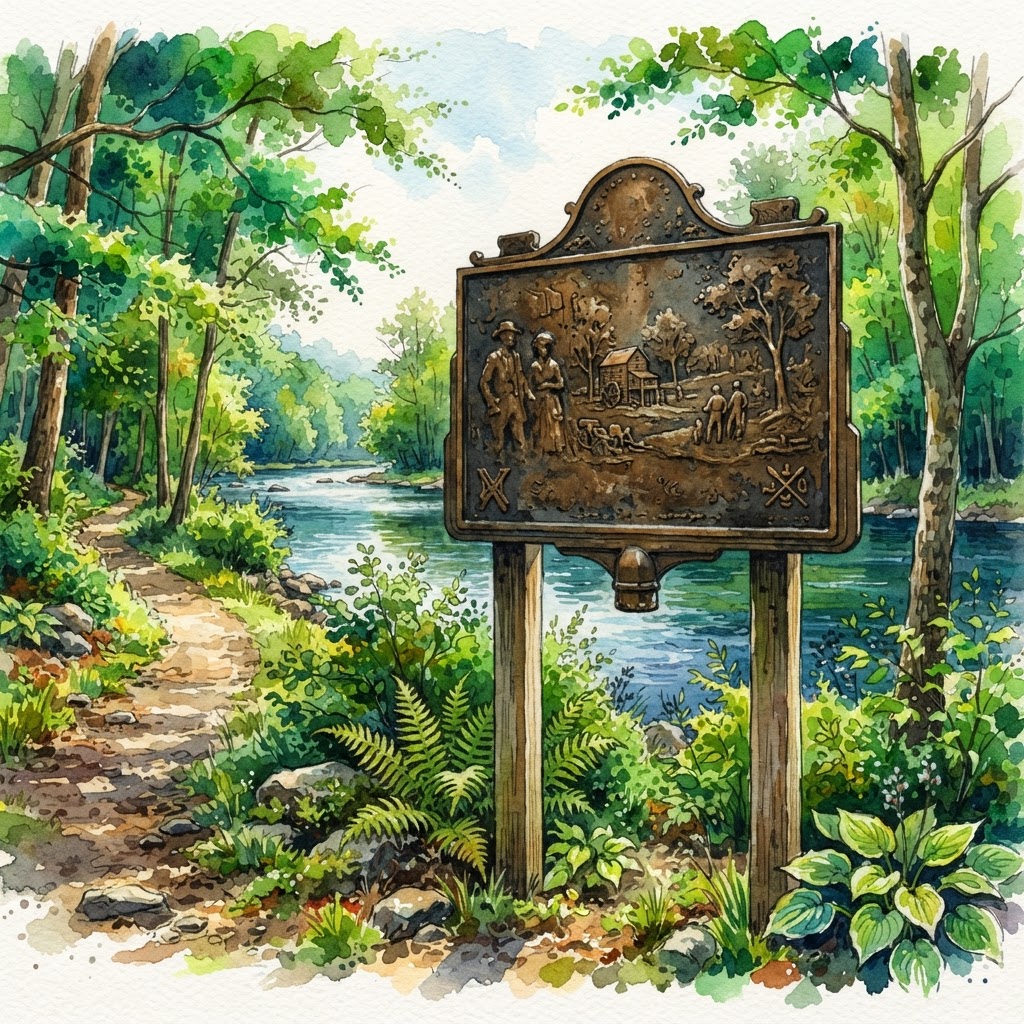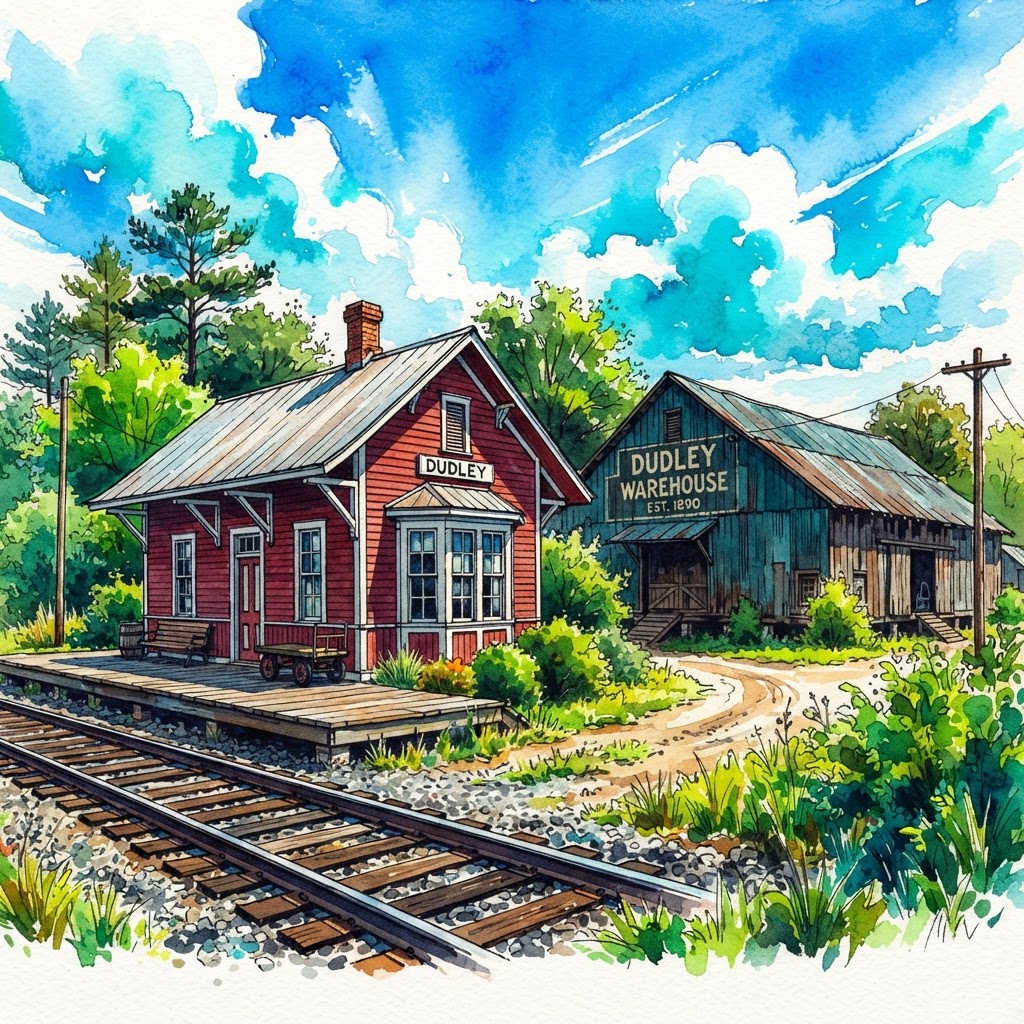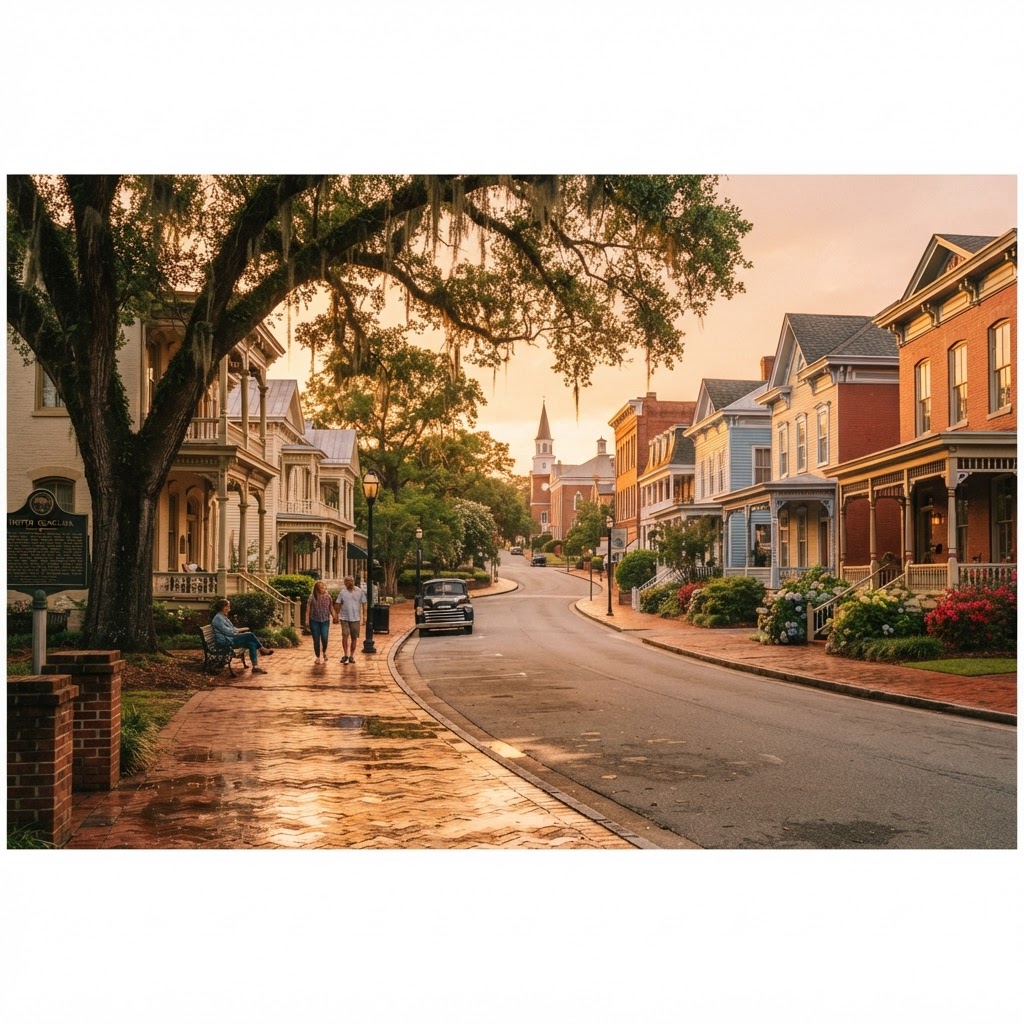
Hidden Corners of Providence, NC: The Ultimate Historic Walking Tour\n\nThere is something truly magnetic about small towns where history hides in plain sight. Tucked gently into the heart of North Carolina, Providence is the kind of place that invites you to slow down, lace up your most comfortable shoes, and take in the whispers of past centuries.\n\nWhether you are a lifelong North Carolinian or a curious weekend wanderer, taking the curated Providence Uncovered walking route opens up an entirely new dimension of this community. From sacred pre-colonial grounds to Victorian social halls and a secret healer's garden, here are the historical landmarks and heritage markers that make Providence an absolute must-visit.\n\n---\n\n## 1. Indigenous Heritage Site: Listening to the Deep Past\n\nBefore cobblestones, rails, or red-brick factories existed here, these lands were gathering grounds for local Indigenous peoples. Located along gentle rolling terrain near freshwater streams, the Indigenous Heritage Site is one of the most reverent stops on the journey.\n\nLong before European settlement, native tribes convened here for trade, seasonal celebrations, and council meetings. Today, historic markers provide poignant context for the deep-rooted stewardship that shaped North Carolina's piedmont and coastal plains for millennia. Stand quietly beneath the canopy of ancient oaks and take a moment to honor the ancestors who first called Providence home.\n\n---\n\n## 2. SECRET STOP: The Hidden Garden of Old Bell\n\nTucked far away from the main streets behind ivy-draped brick walls sits one of Providence's sweetest secrets: The Hidden Garden of Old Bell.\n\nLegend holds that this secluded, aromatic oasis was originally planted in the mid-1800s by a beloved local healer known simply as "Old Bell." She grew dozens of medicinal herbs, native flowering plants, and calming roots to treat ailments ranging from summer agues to winter fevers. \n\n### What to look for:\n* Heritage botanicals: Thriving patches of lavender, sweet cicely, valerian, and heirloom mint.\n* Hand-laid stone borders: Worn, smooth stones gathered from nearby creeks over 150 years ago.\n* Peaceful sitting benches: Tucked beneath sprawling fig trees, perfect for a moment of quiet reflection.\n\nThis gem is not marked by gaudy signs, which is why having the Providence Uncovered guide is invaluable for pinpointing its discreet entrance.\n\n---\n\n## 3. Victorian Charm: The Old College Inn\n\nTurning the corner into town, your eyes are immediately drawn to the whimsical silhouette of The Old College Inn. Constructed in the late 19th century, this structure boasts breathtaking Queen Anne-style Victorian architecture, complete with ornate spindlework, wraparound verandas, and steep gables.\n\nIn its prime, the Inn was the vibrant epicenter of local social life. Students, traveling merchants, and town visionaries gathered in its parlors to debate politics, play parlor games, and forge business pacts over sweet tea and warm biscuits. It remains a stunning testament to the community spirit that helped Providence blossom in the post-Reconstruction era.\n\n---\n\n## 4. Reverence and Reflection: The Civil War Memorial Park\n\nWar reshapes every community it touches, and Providence was no exception. The Civil War Memorial Park serves as an emotional space for reflection on the heartbreaking costs of the conflict on ordinary families.\n\nThe park features an intricately carved monument surrounded by bronze plaques cataloging the names of local residents who marched off to battle. Benches shaded by dogwoods and magnolias offer visitors a quiet space to read the preserved diaries and historical accounts etched onto interpretive markers scattered along the brick-paved trail.\n\n---\n\n## 5. Footsteps Toward Equality: The Freedmen’s Bureau Site\n\nOne of the most essential and educational stops in Providence is the Freedmen's Bureau Site. Following the close of the Civil War, the federal government established offices across the South to provide relief, legal counsel, and education to newly emancipated African Americans.\n\nIn Providence, this site represented the dawn of freedom and self-determination. Here, families were reunited, labor contracts negotiated, and rudimentary classrooms established to teach literacy to young and old alike. Standing on this ground offers an inspiring look into the tenacity and resilience of people fighting to build a life of dignity against overwhelming odds.\n\n---\n\n## 6. Steam and Industry: The Southern Railway Depot\n\nBy the turn of the 20th century, Providence had entered a golden age of commerce, driven by the rhythmic clatter of iron wheels. The Southern Railway Depot stands proudly as the monument to that transformation.\n\nDuring the early 1900s, this historic depot was the lifeblood of regional tobacco farmers, shipping cured leaf across the state and nationwide. The depot building—with its overhanging eaves, original ticket windows, and sturdy heart-pine flooring—transports you directly back to the steam-engine era when arrivals and departures dictated the pulse of daily town life.\n\n---\n\n## 7. The Old Textile Mill: Reliving the Industrial Boom\n\nJust down the tracks sits another industrial landmark: The Old Textile Mill. When manufacturing surged across the Carolinas, this sprawling brick factory became Providence's economic heartbeat.\n\nGenerations of local families spent their days here tending spinning frames and looms. The mill whistle set the schedule for schools, dinner tables, and church bells alike. Today, the preserved facade showcases classic early-1900s mill construction, reminding travelers of the blue-collar grit that forged modern North Carolina.\n\n---\n\n## 8. Resting Among the Oaks: Providence Cemetery\n\nEvery historic journey deserves a peaceful conclusion, and the Providence Cemetery provides just that. Shaded by centuries-old moss-draped cedars and towering white oaks, this burial ground dates back to the early 1800s.\n\nAs you wander between the weathered fieldstone markers and elaborate marble obelisks, you will spot the names of the merchants, millworkers, soldiers, and dreamers who built this community from the wilderness. The quiet tranquility makes it one of the most moving spots in town.\n\n---\n\n## Tips for Exploring Providence\n\n* Wear comfortable walking shoes: Many sidewalks feature historical brick pavers that are beautiful but uneven.\n* Bring a refillable water bottle: While the town center has lovely cafes, stops like the Hidden Garden and Indigenous Heritage Site invite long, unhurried visits outdoors.\n* Pair with local eats: After walking the tour, stop into a downtown diner for scratch-made biscuits and barbecue.\n\n---\n\n## Frequently Asked Questions (FAQ)\n\n### How long does the Providence Uncovered walking tour take?\nMost visitors complete the route in approximately 2 to 3 hours, allowing plenty of time to linger at each stop and read historical markers.\n\n### Is the walking tour pet-friendly?\nYes! The outdoor historic markers, park pathways, and cemetery grounds welcome leashed, well-behaved dogs. Please remember to clean up after your pet.\n\n### Are the historic sites accessible?\nMost municipal parks, sidewalks, and depot grounds are wheelchair accessible, though parts of the Hidden Garden of Old Bell feature packed-earth and gravel pathways.
Sponsored
Google Ads slot — will render here once AdSense is connected.
Share this article
#North Carolina#Heritage Travel#Walking Tours#Historic Sites#Hidden Gems