The Hidden Heart of the Sandhills: A Deep Dive into Spring Lake
When most people think of Spring Lake, North Carolina, their minds immediately jump to the rhythmic thrum of Fort Liberty. But for those of us at NC Uncovered, we know that if you look past the modern military hustle, you’ll find a town with a soul carved by the railroad, built by industry, and defined by a community that has weathered every storm of American history.
Today, we are taking you off the beaten path to explore the historical markers and heritage sites that define this resilient community. We recently spent a weekend following the Spring Lake Uncovered tour, and quite frankly, we were blown away. Whether you are a local history buff or a curious traveler passing through Cumberland County, these stops are essential.
The Secret Stop: The Silent Soldier Memorial
Every great tour needs a secret, and the Spring Lake Uncovered itinerary delivers a poignant one right out of the gate. Tucked away from the main thoroughfares is The Silent Soldier Memorial. Unlike the massive, grand monuments you might find in larger cities, this memorial is intimate and incredibly moving.
Dedicated to soldiers across multiple conflicts, this site serves as a quiet sanctuary. It honors local veterans with a subtlety that invites reflection. Walking through the manicured grounds, you can feel the weight of the town’s relationship with the military. It’s a place where the impact of war isn't just a textbook chapter—it’s a lived family history for many Spring Lake residents.
Foundations of Life: Henderson's Lake
Long before the train whistles blew, there was the water. Henderson's Lake was the heartbeat of the early settlement here. In the days of early pioneers, a reliable water supply was the difference between a thriving farm and a failed venture. This lake provided that vital resource, powering the agricultural life that initially put Spring Lake on the map.
Today, it remains a serene local resource, offering a glimpse into the natural landscape that drew settlers to this region centuries ago. It’s the perfect spot to start your morning, watching the mist rise off the water and imagining the early homesteaders who once called these banks home.
Walking Through the Spring Lake Historic District
To see the physical evolution of the town, you have to spend time in the Spring Lake Historic District. This isn't just a collection of buildings; it’s a living museum of early 20th-century architecture. As you stroll the streets, you’ll see the transition from modest vernacular homes to more sophisticated designs that reflected the town’s growing wealth during the mid-century boom.
Each porch and gabled roof tells a story of the families who built this town brick by brick. The district serves as a visual timeline of Spring Lake’s development, showcasing how the community shifted from a quiet rural outpost to a bustling town center.
A Legacy of Faith: Trinity United Methodist Church
Perhaps the most powerful stop on the Spring Lake Uncovered tour is the Trinity United Methodist Church. Established in 1866 by freed slaves, this church is a monumental testament to resilience. In the immediate aftermath of the Civil War, during the dawn of Reconstruction, the founding of this church was a radical act of faith and community building.
For over 150 years, Trinity has been more than just a place of worship; it has been a center for social organization and a beacon of hope. Standing before its doors, you can't help but feel the strength of the generations who gathered here to forge a new future in the face of immense adversity.
Industry and Reconstruction: The Tobacco and The Bureau
Spring Lake’s economic history is just as compelling as its social history. We recommend hitting these two sites back-to-back:
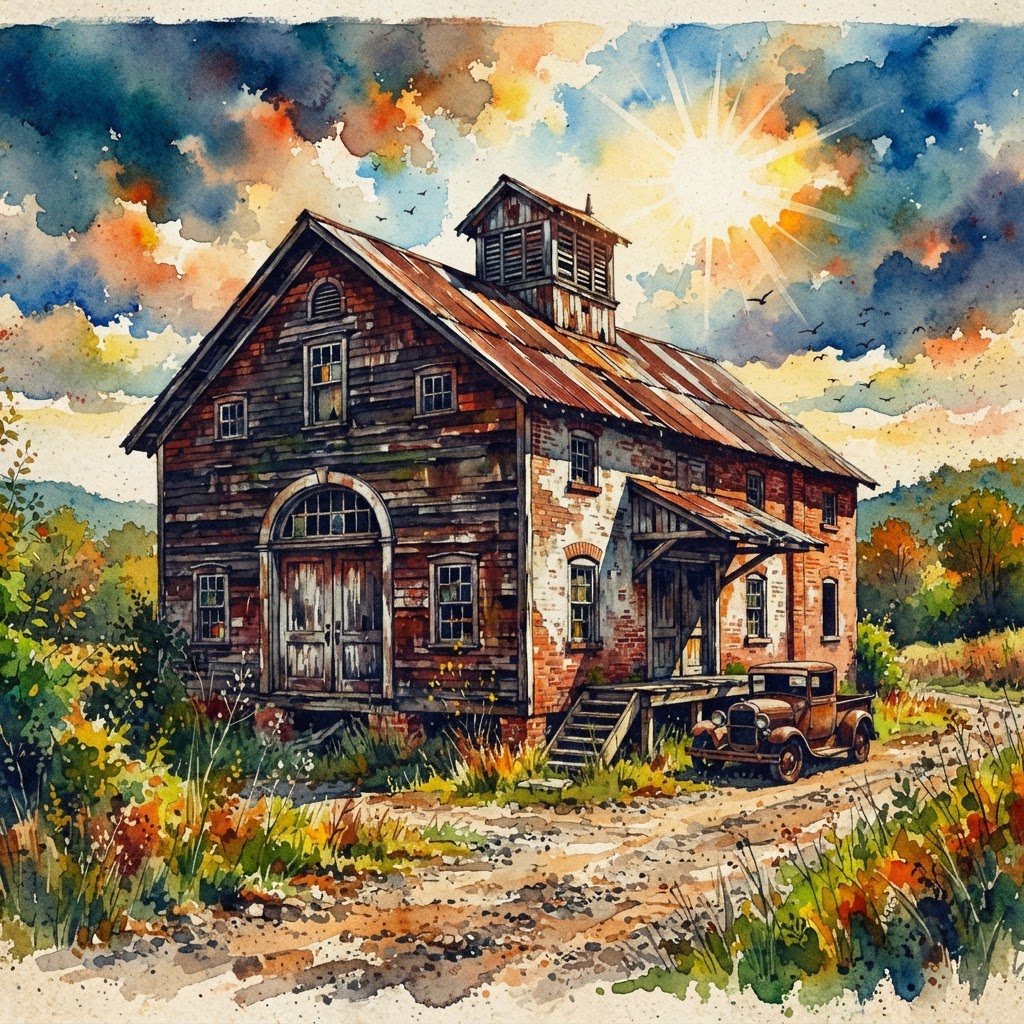
- Oakwood Tobacco Warehouse: Built in the early 1900s, this massive structure reminds us that before the military dominated the local economy, tobacco was king. This warehouse symbolizes the era when Spring Lake was an industrial powerhouse in the region's tobacco industry.
- Freedmen's Bureau Site: This is a heavy but necessary stop. During the Reconstruction era, this site was essential for assisting formerly enslaved individuals as they transitioned to freedom and citizenship. It provided education, legal assistance, and a foundation for a new life, making it one of the most significant civil rights sites in the Sandhills.
The Engine of Growth: Spring Lake Train Depot
If you want to know why Spring Lake exists where it does, look to the tracks. The Spring Lake Train Depot was once the lifeblood of the community. In the late 1800s, this was a bustling railroad stop that facilitated the movement of goods, lumber, and people. It was the depot that connected this small NC town to the wider world, laying the foundation for the rapid growth that would eventually attract the military presence nearby.
Honoring the Founders: Old Spring Lake Cemetery
No historical journey is complete without paying respects to those who came before. The Old Spring Lake Cemetery, established in the early 19th century, is the final resting place for many of the town's founding families. The headstones here—some weathered by centuries of Carolina sun and rain—read like a "who's who" of early European settlement in the area. It’s a somber, beautiful place that anchors the town’s history to the very earth it stands on.
Tips for Your Spring Lake Adventure
- Wear Comfortable Shoes: The Historic District and the Cemetery are best explored on foot.
- Check the Weather: Many of these sites are outdoors, so aim for a clear North Carolina afternoon.
- Bring a Camera: The architecture in the Historic District and the views at Henderson’s Lake are incredibly photogenic.
- Respect the Sites: Remember that sites like the Trinity UMC and the Silent Soldier Memorial are active places of worship and reflection.
FAQ About Spring Lake History
Q: Is the Spring Lake Uncovered tour self-guided? A: Yes, many of these sites have historical markers that you can visit at your own pace, though local heritage groups occasionally offer guided walking tours.
Q: Is there an entry fee for these sites? A: Most of the outdoor markers and public sites like the Train Depot and Henderson's Lake are free to view from the exterior. Please check with the church for service times or visiting hours if you wish to see the interior of Trinity UMC.
Q: How long does it take to see all the stops? A: We recommend a full half-day (about 3-4 hours) to really soak in the history at each location without rushing.
Spring Lake is so much more than a military town. It is a place of deep roots, incredible survival, and rich cultural heritage. Next time you're in Cumberland County, take the time to uncover these stories for yourself. You won't regret it!
Stay tuned to NC Uncovered for more deep dives into the hidden gems of the Tar Heel State.
Sponsored
Google Ads slot — will render here once AdSense is connected.
Share this article