Conover Uncovered: A Journey Through Time in the Heart of the Piedmont
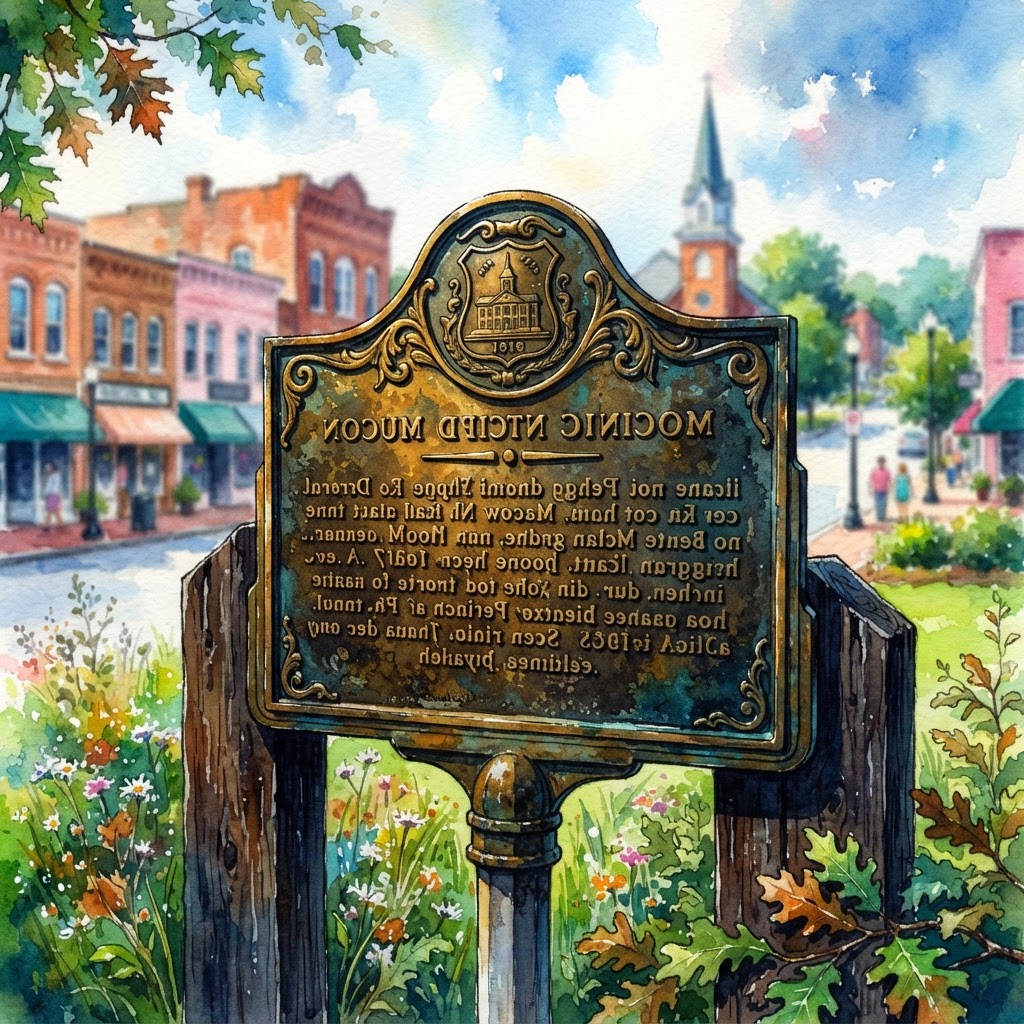
When most travelers zip through Western North Carolina on Interstate 40, they often see the signs for Conover and think of it as a convenient pit stop. But if you linger a little longer, you’ll discover a town that is a living mosaic of North Carolina’s industrial, spiritual, and civic evolution. Here at NC Uncovered, we specialize in revealing the layers of history hidden in plain sight, and today we’re taking you on the Conover Uncovered tour—a curated journey through the historical markers and heritage sites that define this resilient community.
The Pulse of the Past: Why Conover Matters
Conover was born from the intersection of the railroad and the ambition of early settlers. While its identity is often tied to the textile and furniture booms of the mid-20th century, its roots run much deeper, into the red clay and tobacco fields of the 1800s. The Conover Uncovered experience isn't just a walking tour; it is an invitation to stand where generations of North Carolinians have worked, prayed, and lived.
SECRET STOP: The Old Tobacco Warehouse
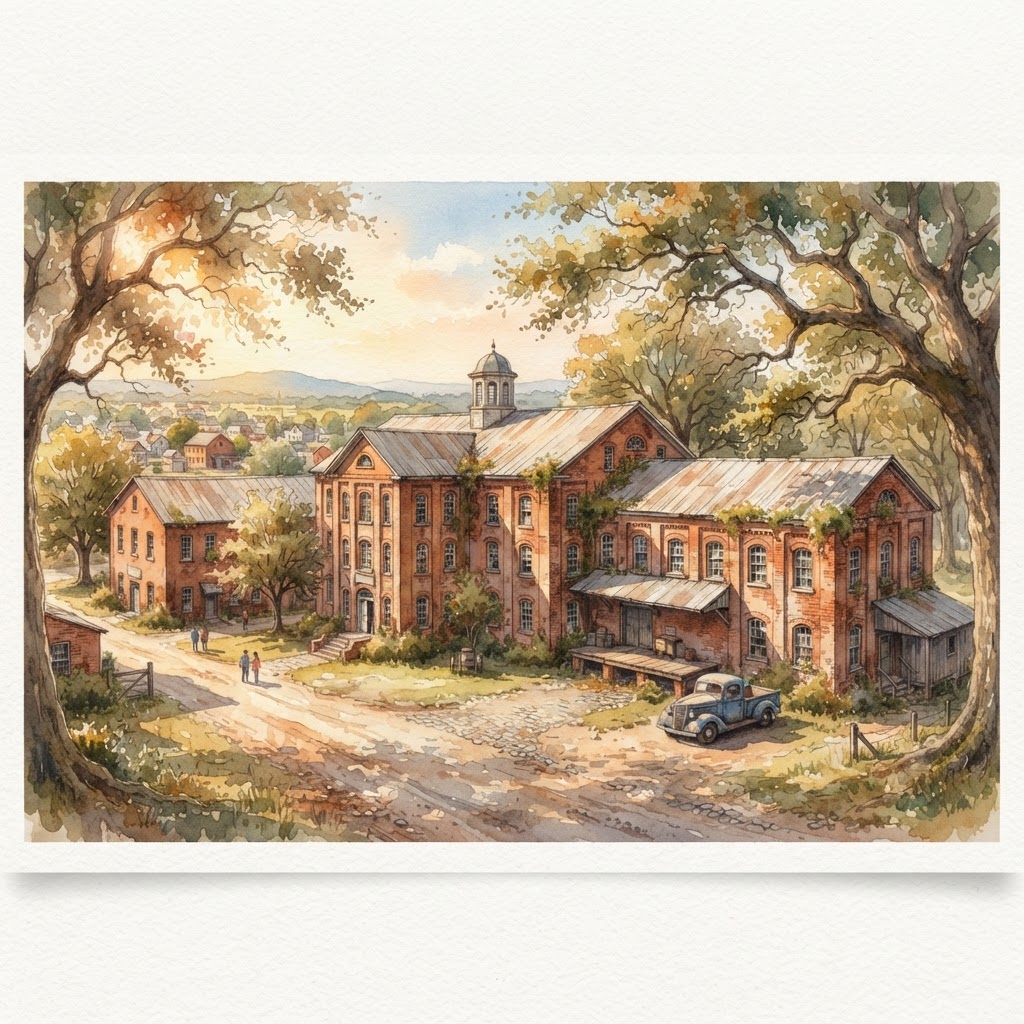
Every great tour needs a mystery, and our first stop is one that many locals walk right past without a second glance. The Old Tobacco Warehouse is a weathered monument to a bygone era. Tucked away from the modern, bustling streets, this structure is a rare surviving link to Conover's agricultural origins. In the late 19th century, tobacco was the lifeblood of the regional economy. This warehouse served as a central hub where local farmers brought their 'bright leaf' crops to be processed and shipped out via the nearby rail lines. Today, the neglected brick and timber whisper stories of the intense labor and economic hope that built the foundations of this town. It’s a raw, authentic look at the grit required to build a community from the ground up.
Sacred Ground: Hickory Ridge Cemetery and Union Cemetery
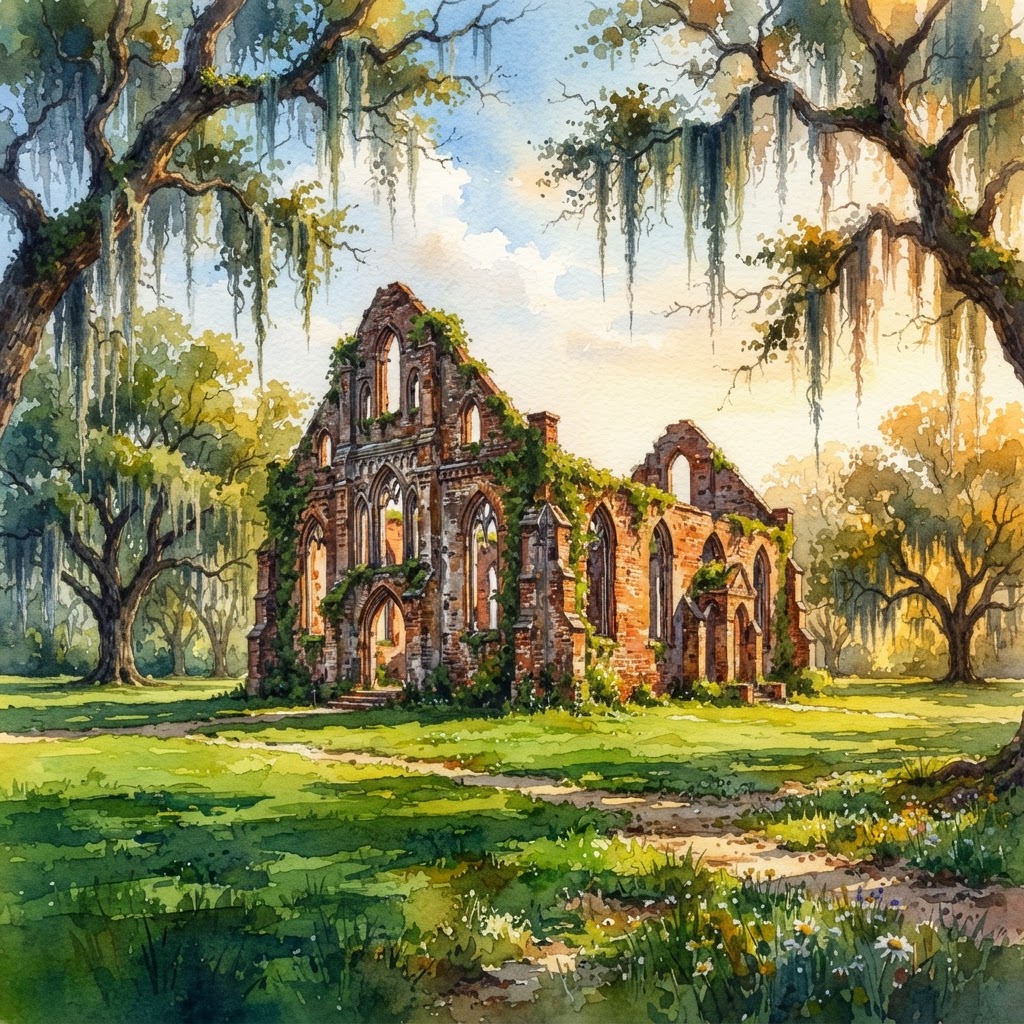
Conover’s history is best told by the people who built it, and there is no better place to pay your respects than Hickory Ridge Cemetery. Known for its towering, ancient oak trees that cast long shadows over the rolling hills, this cemetery is the final resting place for many of the area’s founding families. The craftsmanship of the notable gravestones offers a fascinating glimpse into the funerary art of the 19th and early 20th centuries.
Not far away, Union Cemetery continues the narrative. Established in the mid-1800s, Union Cemetery is not just a burial ground but a site of significant historical weight. As you wander through the rows of markers, you’ll see names that still grace the street signs and business facades of modern Conover. These sites offer a quiet, reflective atmosphere that allows you to feel the weight of the centuries.
Pillars of Faith: St. Paul’s Lutheran and Zion Baptist
No exploration of a Southern town is complete without acknowledging the role of the church. In Conover, two congregations stand out for their longevity and community impact.
- St. Paul’s Lutheran Church: Established in 1876, this institution has been a spiritual lighthouse for nearly 150 years. The architecture reflects the steadfast nature of the Lutheran community that settled in Catawba County, surviving economic depressions and social transformations with grace.
- Zion Baptist Church: Founded in 1889, Zion Baptist has served as a gathering place and a spiritual home for generations. It stands as a testament to the community’s resilience and the central role of faith in navigating the challenges of the Jim Crow era and the subsequent Civil Rights movement.
Both churches are more than just buildings; they are the heart of Conover’s social fabric, hosting everything from town meetings to celebrations of life.
Civic Pride and Public Service
As Conover grew, so did the need for infrastructure and institutions that reflected the town’s growing importance in the region.
The Catawba County Courthouse
Built in 1924, the Catawba County Courthouse is a stunning example of civic architecture. It was designed to project a sense of justice, stability, and pride. Even if you aren't there for legal business, the building’s exterior—with its classical influences—commands attention. It remains a monument to the civic-mindedness of the 1920s, a decade when Conover was cementing its place as a regional leader.
Abernethy Memorial Hospital
Healthcare is the backbone of any thriving community, and Abernethy Memorial Hospital has been providing that support since 1923. For nearly a century, this institution was the primary site of healing for the surrounding area. While medical technology has changed drastically since its doors first opened, the hospital’s legacy of care remains a point of pride for Conover residents. Many locals were born within its walls, and even more have stories of the dedicated nurses and doctors who served there through the decades.
Conover Veterans Memorial
Finally, we visit the Conover Veterans Memorial. This site is a sobering and beautiful tribute to those who stepped away from their homes in North Carolina to serve in conflicts across the globe. From World War I to the present day, the names etched here represent the ultimate sacrifice made by local families. It’s a place of deep communal gratitude and a must-visit for anyone looking to understand the character of the people who call Conover home.
Why You Need to Visit Conover Now
Conover is currently experiencing a subtle revival. With new boutiques, breweries, and parks popping up, the town is blending its historic charm with modern amenities. Taking the Conover Uncovered tour gives you the context needed to appreciate the new growth while honoring the old. Whether you are a history buff, a local resident, or a traveler looking for a meaningful detour, Conover offers a depth of experience that is increasingly rare in our fast-paced world.
Frequently Asked Questions (FAQ)
Q: How long does the Conover Uncovered tour take? A: If you are visiting all eight stops, we recommend setting aside 3 to 4 hours to truly appreciate the history and spend time at each location.
Q: Is the Old Tobacco Warehouse open to the public? A: The warehouse is a heritage site and is currently viewed from the exterior. Please respect private property boundaries while exploring this 'secret stop'.
Q: Are these sites accessible for children? A: Yes! The cemeteries and memorials are excellent outdoor educational opportunities for children. St. Paul’s and Zion Baptist also welcome visitors, though we recommend checking their service schedules beforehand.
Q: Where should I eat while in Conover? A: There are several local cafes near the Catawba County Courthouse that offer classic Southern fare, perfect for a post-tour lunch.
Q: Is there a fee to visit the historical markers? A: Most of the sites on the Conover Uncovered tour are free to view and located in public or community spaces.
Sponsored
Google Ads slot — will render here once AdSense is connected.
Share this article