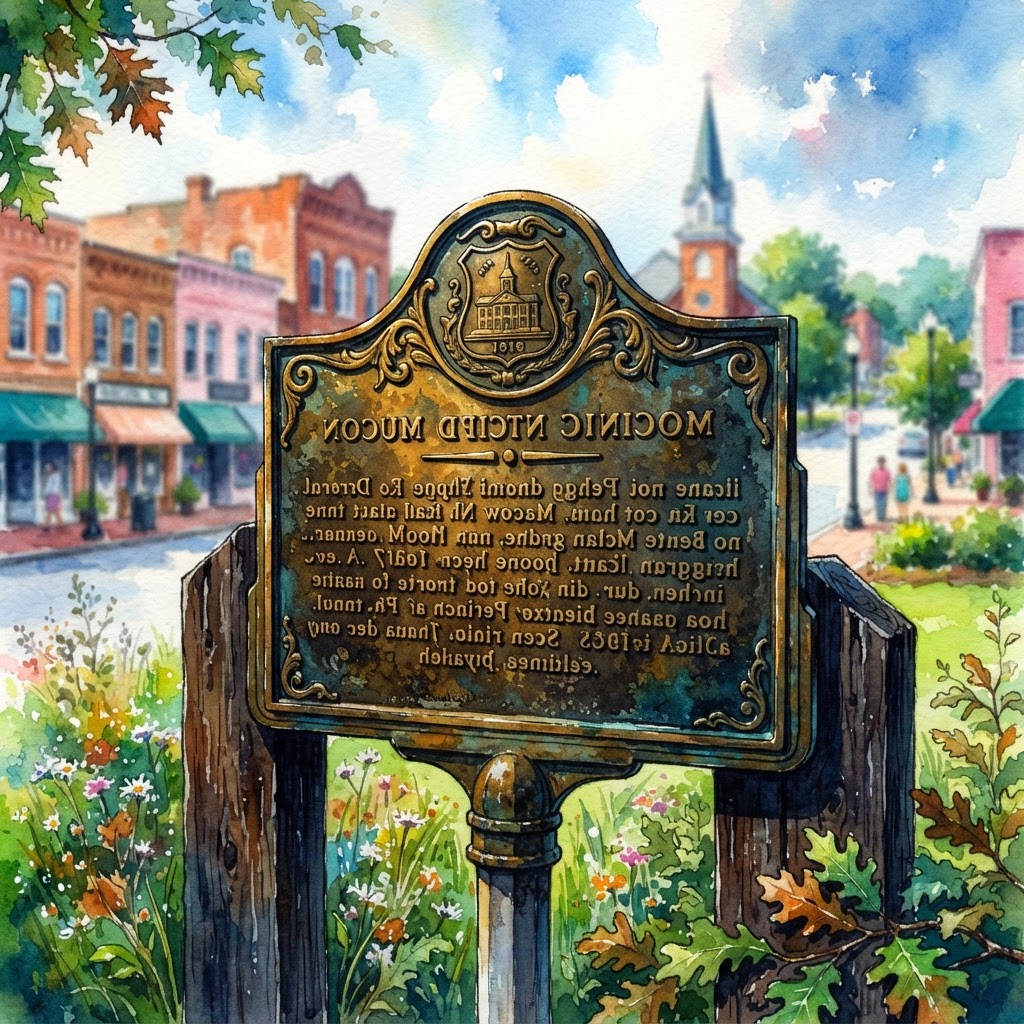
Uncovering Leland, NC: A Journey Through Hidden History, River Trails, and Sacred Grounds
Just across the Cape Fear River from the brick-paved streets of downtown Wilmington lies a community that often catches travelers by surprise: Leland, North Carolina. While many recognize Leland today for its rapidly growing neighborhoods and breezy access to the coast, its past runs as deep and winding as the coastal tributaries that cradle it.
From pre-Revolutionary colonial capitals to poignant Reconstruction milestones and railroad relics, this area holds stories waiting to be unearthed. If you are eager to peel back the layers of coastal history, lace up your walking shoes. We are walking through the most compelling stops on the beloved Leland Uncovered tour.
1. The Secret Stop: The Whispering Pines
Every great historical journey needs a moment of quiet reflection, and nothing compares to our secret stop: The Whispering Pines.
Tucked out of sight along the edge of the Cape Fear River, this pocket park is cherished by longtime locals yet routinely passed by highway drivers. Tall, rustling pines sway above a marshy waterline, casting cool shadows over mossy paths. It is the kind of sanctuary where you can stand still, listen to the gentle lap of the river, and imagine what these waterways looked like centuries ago before highways and bridges connected the coast.
- Local Tip: Bring a thermos of local coffee and visit right around golden hour when the light cuts through the Spanish moss hanging from the trees.
2. Faith and Foundation: Leland Baptist Church & Historic St. Paul’s Episcopal Church
Spirituality and community survival have always gone hand-in-hand in eastern North Carolina. Leland is home to two standout sanctuaries that reflect completely different architectural and cultural eras.
Leland Baptist Church (Founded 1825)
Long before Leland was incorporated, early settlers gathered here. Established in 1825, Leland Baptist Church served as the moral and social heartbeat of the countryside. Beyond its inviting façade, this site stands as a living chronicle of nineteenth-century life in rural Brunswick County.
Historic St. Paul’s Episcopal Church (Built 1887)
For lovers of sacred architecture, Historic St. Paul’s Episcopal Church is a masterpiece of late-nineteenth-century Carpenter Gothic design. Highlights include:
- Intricately crafted wooden rafters that mirror traditional shipbuilding techniques.
- Hand-poured stained-glass windows that bathe the nave in jewel-toned afternoon light.
- A serene, contemplative chapel yard surrounded by towering native trees.
3. Resilience and Reconstruction: Gordon's Creek Freedmen's Bureau Site
History is not merely about picturesque architecture; it is about the resilient human spirit. One of the most historically significant locations along the Leland Uncovered path is the Gordon's Creek Freedmen's Bureau Site.
Following the Civil War, the federal government set up Freedmen’s Bureau stations throughout the South to assist formerly enslaved men and women. At Gordon’s Creek, dedicated agents helped register families, establish basic schools, navigate new labor contracts, and fight for civil rights during an era fraught with hostility. Visiting this marker provides a humbling, vital reminder of the courage displayed by African American families who helped build the bedrock of modern North Carolina.
4. Rails and Agriculture: Old Leland Depot & Leland Tobacco Warehouse
Before the rise of modern highways, Brunswick County moved on two things: steam and soil.
Old Leland Depot
In the late 19th century, trains opened up small southern communities to the world. The Old Leland Depot was the central distribution point where timber, turpentine, farm goods, and excited travelers hopped on the rail lines. Without this unassuming depot, the modern town of Leland simply wouldn't exist.
Leland Tobacco Warehouse
Just a short drive away stands the echo of North Carolina’s golden leaf heritage: the Leland Tobacco Warehouse. For decades, the sweet, earthy aroma of cured tobacco leaves filled this cavernous space as auctioneers shouted bids in rapid cadence. Exploring this landmark offers an authentic look into the backbreaking agricultural economy that sustained generations of local families.
5. Colliding Empires: Brunswick Town State Historic Site & Fort Anderson
No trip to Leland is complete without a short detour to the riverbluffs where two monumental chapters of American warfare sit layered on top of each other.
Brunswick Town State Historic Site
Founded in 1726, Brunswick Town was once a bustling colonial port, home to royal governors and thriving shipping docks. During the American Revolution, British troops burned the settlement to the ground, leaving behind haunting brick foundations, colonial chimney stacks, and the majestic, roofless brick walls of St. Philip’s Church.
Fort Anderson Historic Site
Nearly a century after Brunswick Town was abandoned, Confederate forces erected massive earthen ramparts right on top of the colonial ruins. Known as Fort Anderson, this military stronghold defended the Cape Fear River against Union blockades until it finally fell in early 1865 during heavy naval bombardments. Walking the high dirt earthworks today offers dramatic vistas of the river and a palpable connection to the past.
How to Experience the Leland Uncovered Tour
To make the most of your adventure through Leland's historic footprint, follow this practical checklist:
- Plan for 3 to 4 hours: This pace allows you to stroll the river parks, walk the nature trails at Brunswick Town, and pause for photography.
- Pack sturdy walking shoes: Sites like Fort Anderson and Whispering Pines feature unpaved pine-needle trails and dirt footpaths.
- Support local dining: Wrap up your tour by stopping at one of Leland's local seafood shacks or barbecue joints along Highway 17.
Frequently Asked Questions (FAQ)
Where is Leland, North Carolina located?
Leland is located in northern Brunswick County, just west of Wilmington across the Cape Fear River, and roughly 30 minutes north of the Brunswick County beaches.
What is the 'Leland Uncovered' tour?
Leland Uncovered is a curated heritage exploration highlighting the significant historical markers, colonial ruins, religious sanctuaries, and quiet river spots that tell the comprehensive story of the town and its surrounding waterways.
Are these historic sites dog-friendly?
Most outdoor sites, including The Whispering Pines and the grounds at Brunswick Town/Fort Anderson, permit dogs on standard leashes. Indoor historical exhibits and active church services may have pet restrictions.
Is there an admission fee for Brunswick Town and Fort Anderson?
Entry to the historic site grounds and visitor center is free to the public, though voluntary donations are warmly accepted to aid preservation efforts.
Have you explored the quiet river corners of Brunswick County yet? Add the Leland Uncovered trail to your weekend bucket list and experience the untamed stories of the Cape Fear region!
Sponsored
Google Ads slot — will render here once AdSense is connected.
Share this article