The Soul of the Piedmont: Why Warrenton, NC Should Be Your Next Road Trip
If you have lived in North Carolina long enough, you start to hear whispers of a place where time seems to have slowed down, yet history is constantly making itself known. That place is Warrenton. Tucked away in the rolling hills of the North Carolina Piedmont, Warrenton isn't just another sleepy Southern town. It is a powerhouse of architectural beauty, a cradle of social revolution, and a sanctuary for those who appreciate the quiet weight of the past.
At NC Uncovered, we specialize in finding the stories that textbooks often gloss over. That is why we are so excited to introduce our newest curated experience: Warrenton Uncovered: Birthplace of Environmental Justice & Jacob Holt's Antebellum Masterworks. This isn't just a walk through a historic district; it is a deep dive into the dualities of the South—where Greek Revival columns stand alongside the sites of modern justice movements.
The Master Builder: Jacob Holt’s Architectural Legacy
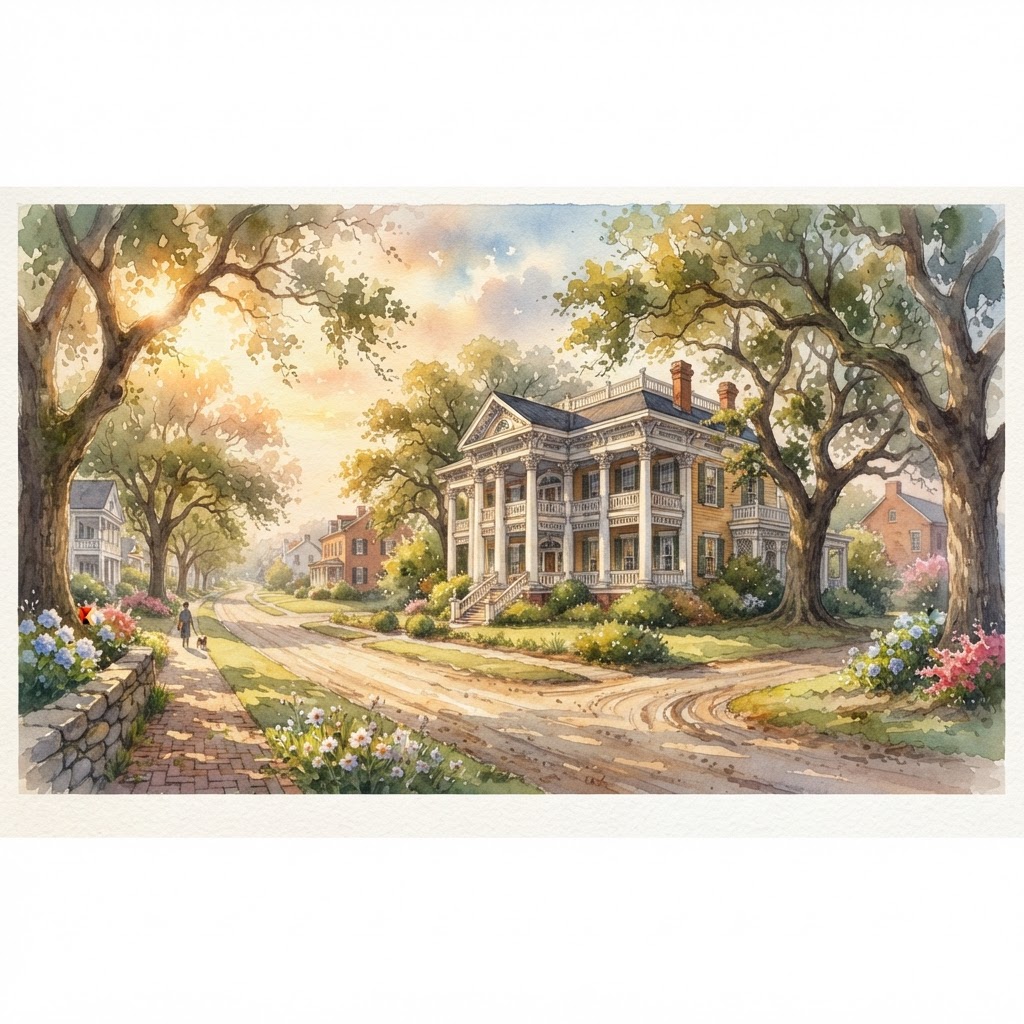
You cannot talk about Warrenton without talking about Jacob Holt. In the mid-19th century, Holt, a master carpenter and builder, transformed this corner of the Piedmont into a showcase of antebellum elegance. While other towns have their share of historic homes, Warrenton boasts one of the best-preserved 19th-century streetscapes in the state.
Walking through the Warrenton Historic District, you will notice a specific style that locals call 'Holt-esque.' He had a knack for blending Greek Revival, Italianate, and Gothic motifs into something uniquely North Carolinian. His masterworks are characterized by heavy, ornate trim, grand proportions, and an unmistakable sense of confidence. On our Jacob Holt Architecture Walk, we take you past these antebellum masterworks, explaining how one man’s vision defined the aesthetic of an entire region.
The Birth of a Global Movement: 1982 and Environmental Justice
While the architecture often draws visitors in, it is the spirit of the community that makes them stay. Warrenton holds a place of profound significance in American history as the Birthplace of Environmental Justice.
In 1982, the state of North Carolina decided to site a PCB landfill in the predominantly Black community of Aughinbaugh, near Warrenton. The community didn't just sit back; they rose up. The resulting protests, which saw hundreds of arrests and drew national attention, are widely recognized as the catalyst for the global environmental justice movement. It was here that the link between civil rights and environmental protection was forged in fire.
Our tour explores Warren County African American History, tracing the lineage from Reconstruction-era institution building to the 1982 protests. You will learn how this Black majority community has been fighting for justice and building its own destiny since 1865.
Hidden Stories: Annie Carter Lee and the Lost Springs of Shocco
Warrenton is a place of surprising intersections. In a quiet churchyard at the Church of the Savior, you will find the final resting place of Annie Carter Lee. She was the daughter of Robert E. Lee, and she spent her final years right here in Warren County. It is a somber, beautiful spot that highlights how the threads of American history are all knotted together in this one small town.
For those who love a bit of 'lost history,' we also explore the Shocco Springs Resort Area. Long before the Civil War, this was the place to be. Wealthy planters from across the South flocked here for the mineral waters, creating a bustling resort scene that rivaled any in the country. Today, the grand hotels are gone, reclaimed by time, but the springs are still there—a ghostly reminder of the antebellum elite's summer playground.
Farm Stands, Peanuts, and the Collector’s Circuit
You can’t visit Warren County without tasting the soil. This region produces some of the finest sweet potatoes and collard greens in the NC Piedmont. The sandy loam of the area is also perfect for peanuts, which are local legendary staples. We always recommend stopping at the Warren County Farm Stands to pick up a seasonal harvest.
If you prefer hunting for treasures of a different kind, the Warrenton Antiques & Collector Circuit is a must. Because the antebellum planters of the region were so wealthy, they filled their Holt-designed homes with extraordinary furniture and decorative arts. Every so often, these museum-quality pieces surface in local shops, making Warrenton a prime destination for serious collectors.
Why Warrenton Deserves More Visitors
Warrenton is one of those places that deserves more visitors than it gets. It isn't just a photo op; it is a lesson in resilience and beauty. From the Warren County Courthouse—the historic hub of the town—to the quiet porches of the residential districts, every corner tells a story.
Whether you are an architecture buff, a history student, or just someone looking for a scenic drive through the Piedmont, Warrenton offers something you won't find anywhere else.
FAQ: Planning Your Visit to Warrenton, NC
Q: What is the best time to visit? A: Spring and Fall are magical. The dogwoods and azaleas in the spring complement the historic architecture perfectly, while the fall brings harvest season for those famous sweet potatoes.
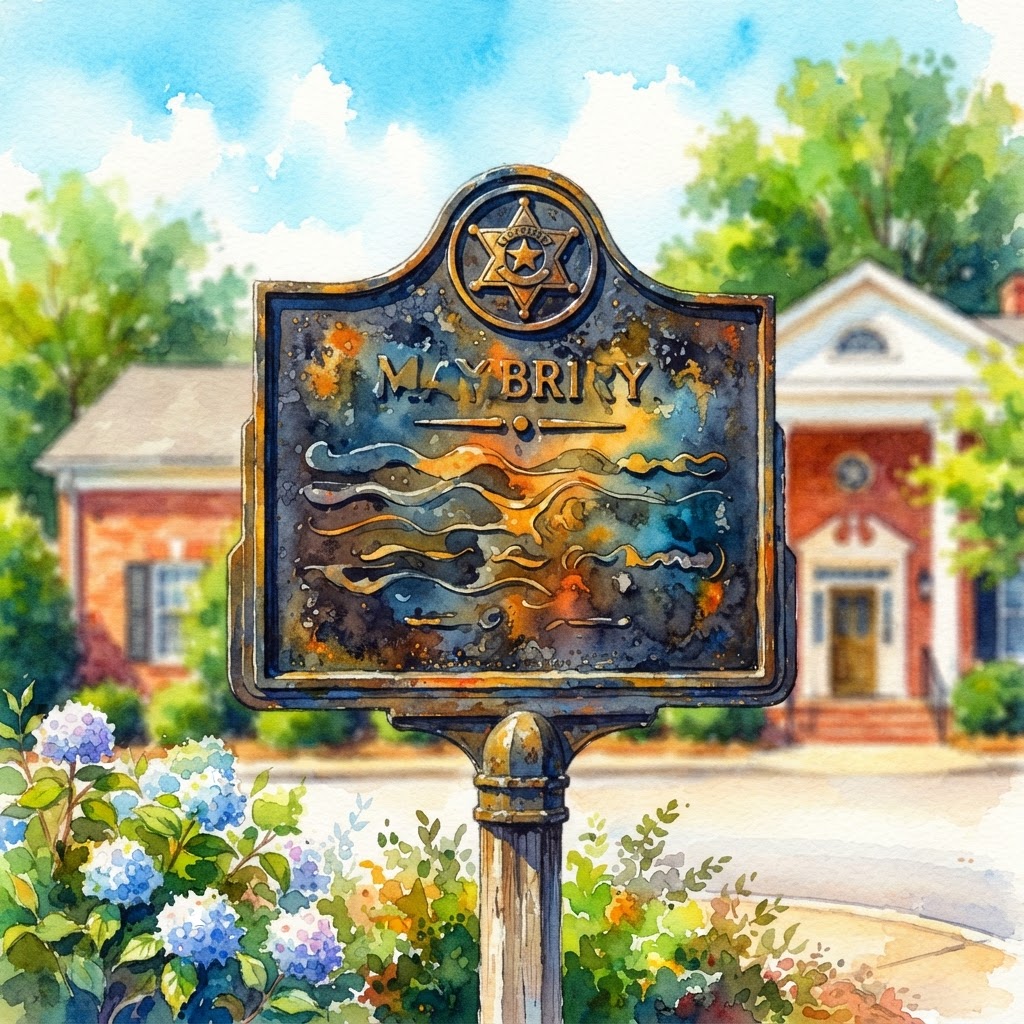
Q: Is the 1982 PCB protest site marked? A: There are several markers and community sites that commemorate the protests. Our tour provides the specific locations and the context behind the movement.
Q: Can you go inside the Jacob Holt houses? A: Many are private residences, but several are open for special events or have been converted into public spaces. The exterior architecture walk offers plenty to see from the sidewalk!
Q: How far is Warrenton from Raleigh? A: It’s an easy hour-long drive north of Raleigh, making it the perfect day trip or weekend getaway.
Ready to uncover the secrets of the Piedmont? Join us on the Warrenton Uncovered tour and see this incredible town for yourself.
Sponsored
Google Ads slot — will render here once AdSense is connected.
Share this article