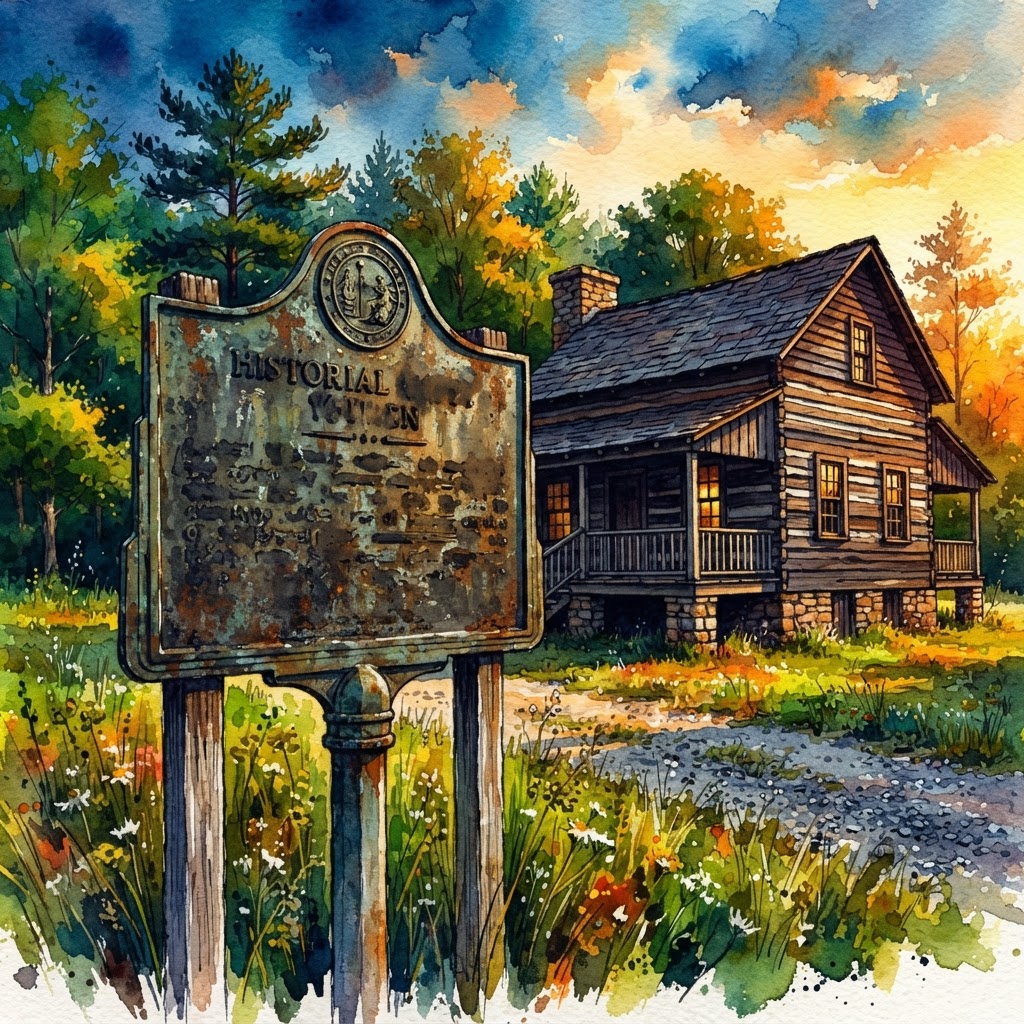
Unearthing the Secrets of Leggett: A Local’s Guide to North Carolina’s Hidden Heritage
When most people think of North Carolina travel, they often point their compasses toward the towering peaks of the Blue Ridge or the salty breezes of the Outer Banks. But for those of us who live and breathe the stories of the Old North State, there is something uniquely magical about the quiet corners of the Coastal Plain. Today, I’m taking you to a place where time seems to slow down: Leggett, North Carolina.
Leggett is a community built on resilience, industry, and a deep connection to the land. While it might appear as a quiet crossroads at first glance, a closer look reveals a landscape dotted with historical markers that tell a story spanning centuries. To truly appreciate this area, I recently embarked on the Leggett Uncovered tour, a journey through the town’s most significant landmarks. If you’re a history buff or just someone who loves a good hidden gem, here is why Leggett deserves a spot on your NC bucket list.
The Heart of the Community: The Leggett General Store
Our journey begins where every great small-town story starts: the local store. The Leggett General Store has been in continuous operation since 1920, making it more than just a place to buy milk and bread—it is the living, breathing heart of the community. Stepping inside is like stepping back in time. The creak of the floorboards and the smell of aged wood remind you of a time when the general store was the social hub of the county. For over a century, residents have gathered here to trade news, discuss the harvest, and maintain the social fabric of Leggett.
A Legacy of Industry: Tobacco and Rails
To understand Leggett, you have to understand the industries that built it. In the early 1900s, this region was a powerhouse of the tobacco industry. Today, the Tobacco Warehouse Ruins serve as a hauntingly beautiful reminder of that golden era. These skeletal remains once housed the "golden leaf" that provided a livelihood for thousands of North Carolinians.
Hand-in-hand with tobacco was the railroad. The Former Leggett Depot was the town's connection to the wider world. Built in the late 19th century, this depot was the primary artery for trade, allowing local farmers to ship their tobacco and goods across the country. Walking near the site, you can almost hear the ghost of a steam whistle echoing through the fields.
The Secret Stop: Blacksmith’s Forge Ruins
One of the highlights of the Leggett Uncovered experience is finding the "Secret Stop." Tucked away off the beaten path, hidden by a canopy of Carolina pines, lie the Blacksmith’s Forge Ruins. These 19th-century remnants are all that is left of a thriving business that was essential to the survival of the town. In an era before mass manufacturing, the blacksmith was the town’s engineer, creating the tools, wagon wheels, and equipment that kept the local economy moving. Finding these ruins feels like discovering a buried treasure.
Remembering Our Roots: Indigenous and African American History
Leggett’s history is a complex tapestry woven from many different cultures. One of the most important stops is the Indigenous Heritage Site, which honors the Tuscarora tribe. Long before European settlers arrived, the Tuscarora lived and thrived in this area. This site is a solemn reminder of their deep connection to the land and the vital role they play in the heritage of North Carolina.
Moving forward in history, the Freedmen’s Bureau Site stands as a testament to the era of Reconstruction. Following the Civil War, this office was instrumental in aiding newly freed African Americans. It provided essential resources like education, legal assistance, and labor contract mediation. Acknowledging this site is crucial to understanding the path toward justice and community-building in the post-war South.
Education and Eternity
Education has always been a priority for the people of Leggett. The Old Leggett Schoolhouse, constructed in 1903, is a beautiful example of early 20th-century school architecture. Beyond its role as a classroom, it served as a gathering place for town meetings and celebrations, cementing its role as a cornerstone of the community’s social life.
Finally, no historical tour is complete without a visit to the Leggett Cemetery. Established in the late 1800s, this is the final resting place for generations of Leggett residents. As you walk through the rows of headstones, you’ll see the names of families who shaped the town, alongside veterans from both World Wars. It is a peaceful, reflective spot that highlights the town’s enduring patriotism and connection to American history.
Why You Should Visit Leggett
- Authentic Experience: This isn't a polished tourist trap; it's real history.
- Photography: The ruins of the tobacco warehouses and the blacksmith's forge provide incredible backdrops.
- Educational: It’s a great way to learn about the diverse history of North Carolina.
FAQ: Planning Your Visit
Q: Where is Leggett located? A: Leggett is located in Edgecombe County, approximately 15 minutes north of Tarboro and about an hour and fifteen minutes east of Raleigh.
Q: Is the Leggett Uncovered tour self-guided? A: There are both self-guided maps available through local heritage groups and seasonal guided tours that provide deeper context into the ruins and sites.
Q: Are the ruins accessible to everyone? A: Some sites, like the General Store and the Cemetery, are easily accessible. However, the Blacksmith's Forge Ruins and Tobacco Warehouse Ruins are on uneven ground and may require a short hike.
Q: What is the best time of year to visit? A: Spring and Fall are ideal. The North Carolina humidity is manageable, and the foliage around the ruins is absolutely stunning.
Leggett is a reminder that every small town has a story worth telling. Whether you're exploring the Leggett Uncovered stops or just stopping in for a soda at the General Store, you’re participating in a legacy that has stood the test of time. Come see for yourself why we say the heart of North Carolina beats strongest in places like Leggett.
Sponsored
Google Ads slot — will render here once AdSense is connected.
Share this article