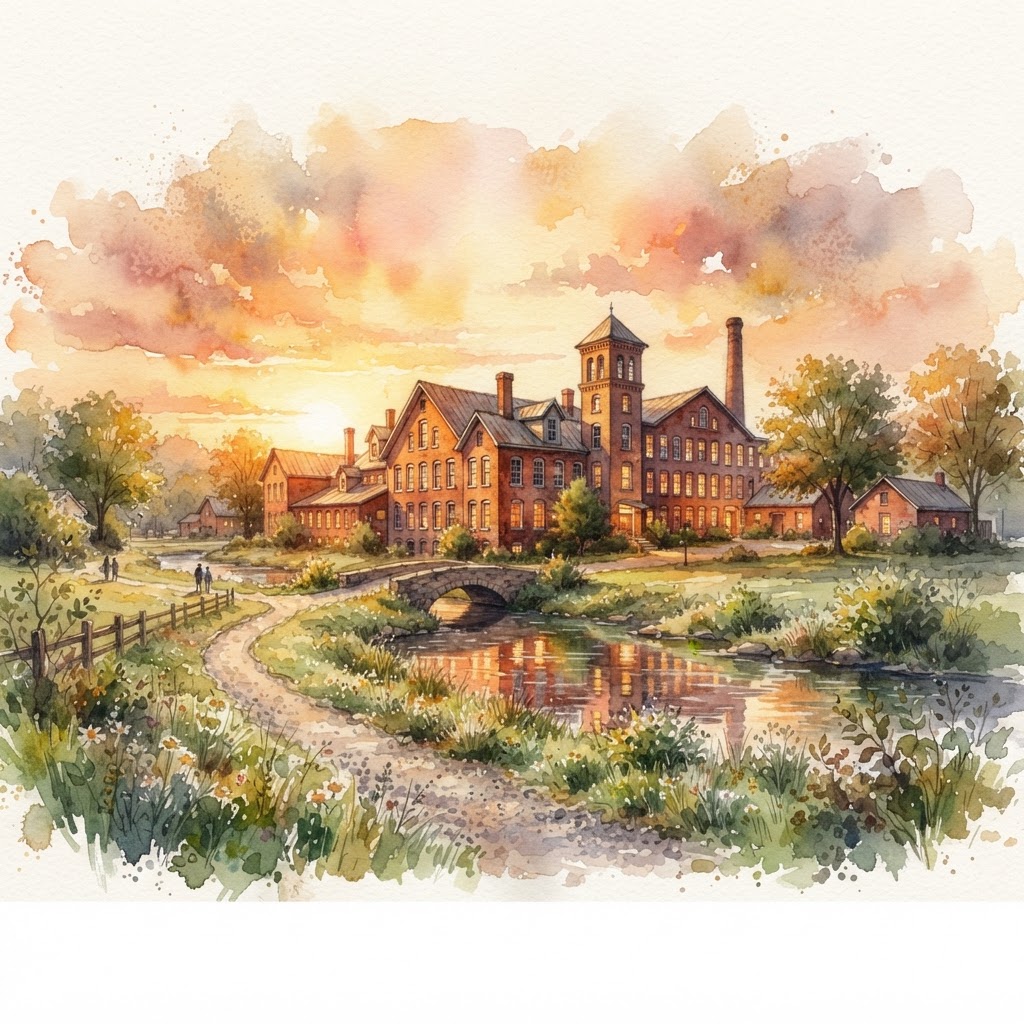
Discovering the Soul of Carrboro: A Journey Through Time\n\nWelcome to Carrboro, North Carolina. To the uninitiated, this town—affectionately known as the "Paris of the Piedmont"—might just seem like the quirky neighbor to Chapel Hill. But if you look past the colorful murals and the scent of roasting coffee, you’ll find a landscape rich with stories of industry, resilience, and community. Today, we are taking a deep dive into the heritage that makes this town truly unique by following the Carrboro Uncovered tour.\n\nWhether you are a lifelong resident or a weekend visitor, these stops offer a profound connection to the people who built this community from the ground up.\n\n## A Town Built on Cotton: The Old Carrboro Cotton Mill\n\nOur journey begins at the cornerstone of the town’s industrial identity: The Old Carrboro Cotton Mill. Founded in 1898, this mill was the catalyst for Carrboro’s growth. Before the mill, the area was little more than a train stop known as West End. \n\nThe mill represents a pivotal shift in the local economy, moving from purely agrarian roots to a manufacturing powerhouse. As you stand before the weathered bricks, imagine the hum of machinery and the voices of the workers who spent their days here. These mill workers formed the backbone of Carrboro, creating a tight-knit community that still defines the town's spirit today. It’s a reminder that while Carrboro is now a hub for tech and art, its heart was forged in the heat of industrial labor.\n\n## A Pillar of Progress: The Freedmen’s Bureau Site\n\nJust a short walk away, we encounter a site of immense historical weight: the Freedmen’s Bureau Site. Established during the Reconstruction era in the late 1860s, this landmark marks the location where the Bureau provided essential services to formerly enslaved people. \n\nIn a time of massive societal upheaval, the Freedmen's Bureau was a beacon of hope, offering education, legal assistance, and support for Black Americans seeking to navigate their new lives as free citizens. This stop on the Carrboro Uncovered tour is a powerful testament to the town's long-standing connection to movements for social advancement and justice.\n\n## Resting Places of the Founders: Carrboro Community Cemetery\n\nTo understand a town, you must visit those who came before. The Carrboro Community Cemetery, established in the 1840s, serves as the final resting place for many of the town's founding families. Walking through the rows of headstones, you’ll see names that still grace local street signs and buildings. \n\nThe cemetery reflects the town’s rich and often complex history, spanning generations of diverse communities. It is a quiet, contemplative space that allows visitors to reflect on the passage of time and the legacy of the families who first envisioned a community here in the rolling hills of the Piedmont.\n\n## Architectural Beauty at The Church of the Holy Family\n\nMoving into the early 20th century, we find one of Carrboro’s most cherished architectural landmarks: The Church of the Holy Family. Established in 1910, this church is a stunning example of Gothic Revival architecture. With its pointed arches and detailed stonework, it stands out as a beacon of community spirit.\n\nOver the decades, the church has witnessed the evolving cultural tapestry of Carrboro. It remains a gathering place for locals, symbolizing the town's commitment to faith, community support, and the preservation of beautiful historical spaces.\n\n## The Heartbeat of the Community: Carrboro Farmer’s Market and Town Commons\n\nNo visit to Carrboro is complete without spending time at the Carrboro Farmer’s Market. Established in 1978, it is one of the oldest and most successful farmer-run markets in the country. This isn't just a place to buy tomatoes; it’s a vibrant hub that reflects the town’s core values of sustainability and supporting the local economy.\n\nRight next door is the Carrboro Town Commons. Once an underutilized area, it was reclaimed in the early 2000s as a green space for the public. Today, it hosts concerts, festivals, and the famous market, showcasing Carrboro's commitment to environmental sustainability and urban livability. It is the modern-day "town square" where the community comes to breathe and connect.\n\n## Social Justice Roots: The Historic Northside Neighborhood\n\nAs we move toward the residential heart of the town, we enter the Historic Northside Neighborhood. This area has historically been home to many of Carrboro’s great thinkers, activists, and change-makers. It served as a vital center for social movements throughout the 20th century, where local voices organized to demand equality and progress.\n\nThe Northside remains a reminder that the character of Carrboro isn't just in its buildings, but in the fiery spirit of its residents who aren't afraid to speak truth to power. This neighborhood is a living classroom for those interested in the history of civil rights in North Carolina.\n\n## The Secret Stop: Pine Hill Cemetery\n\nFinally, we reach the most poignant stop on our tour. Hidden away from the main thoroughfares is the Pine Hill Cemetery. This serene and secluded site is the final resting place for many local African American families. \n\nFor years, this cemetery was overlooked in broader historical narratives, yet it represents the enduring contributions and resilience of Black families in Carrboro. The peaceful atmosphere here offers a moment of profound reflection on the lives of those who worked, lived, and loved in Carrboro, often in the face of significant adversity. It is a vital piece of the puzzle in the Carrboro Uncovered experience.\n\n## Why Carrboro History Matters\n\nCarrboro is a town that wears its history on its sleeve, yet there is always more to discover beneath the surface. From the industrial grit of the cotton mills to the sacred silence of Pine Hill, the town’s heritage is a tapestry of struggle, triumph, and unwavering community pride.\n\nBy exploring these sites, we don't just learn about the past; we gain a better understanding of why Carrboro is the inclusive, forward-thinking town it is today. So next time you're in the "Paris of the Piedmont," take a moment to look at the markers, walk the cemeteries, and listen to the stories that the wind carries through the Town Commons.\n\n***\n\n## Frequently Asked Questions About Carrboro History\n\n### What is the Carrboro Uncovered tour?\nIt is a self-guided or guided exploration of Carrboro's most significant historical markers, heritage sites, and hidden landmarks, focusing on the town's industrial, social, and cultural evolution.\n\n### Is Carrboro walkable?\nYes! Carrboro is one of the most walkable towns in North Carolina. Most of the historical sites mentioned, including the Town Commons and the Old Cotton Mill, are within a short walking distance of each other in the downtown core.\n\n### When is the best time to visit the Carrboro Farmer's Market?\nThe market is open year-round on Saturdays, with additional Wednesday afternoon hours during the main growing season (typically April through November). It is the best time to see the community in action.\n\n### How did Carrboro get its name?\nThe town was named after Julian Shakespeare Carr, who was a prominent industrialist and owner of the Durham Hosiery Mills, which included the mill in Carrboro.\n\n### Is Pine Hill Cemetery open to the public?\nYes, but it is a sacred and historic space. Visitors are encouraged to be respectful of the graves and the families when visiting this serene site.
Sponsored
Google Ads slot — will render here once AdSense is connected.
Share this article
#Carrboro#North Carolina History#NC Travel Guide#Historical Sites#Walking Tours