Unveiling the Hidden History of Roxboro: A Journey Through Politics and Pain
When most people think of the Piedmont region of North Carolina, they often picture rolling hills, tobacco barns, and quiet main streets. Roxboro, the seat of Person County, fits that description perfectly at first glance. However, beneath its charming facade lies a narrative of immense power, civic duty, and profound tragedy. As a local expert for NC Uncovered, I recently had the opportunity to take the tour titled "Roxboro Uncovered: Politics & Pain — Governors, Courthouses, and Racial Violence." This isn't your typical lighthearted stroll; it is a necessary, deep dive into the dualities of the American South.
Roxboro is a town shaped by civic power and painful public memory. Its historical markers record the lives of governors and the architecture of courthouses, but they also force us to confront the lynchings and racial violence that remain etched in the soil. If you are looking to understand the real North Carolina, this tour is an essential starting point.
The Seat of Power: The Person County Courthouse Site
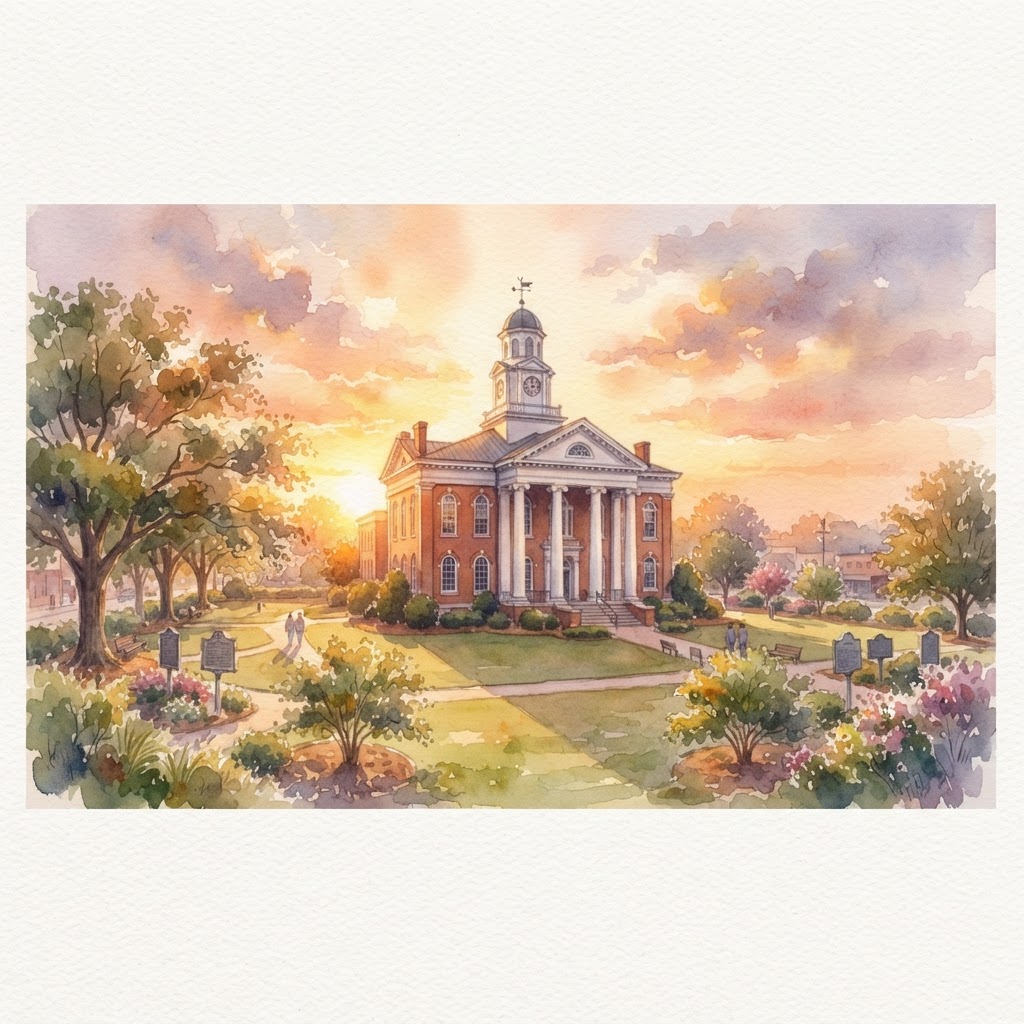
Our journey begins at the heart of the community: the Person County Courthouse Site. For generations, this was the seat of local government, where laws were debated and justice—as understood at the time—was administered. The courthouse was more than just a building; it was the stage for the county’s public life. Standing here, you can almost hear the echoes of lawyers’ closing arguments and the hushed whispers of spectators in the gallery. It represents the order and civic ambition that Roxboro has long championed.
Hospitality Through the Ages: From the Dowdy to the Roxboro
Just a short walk away, we encounter the Site of the Dowdy Hotel, Jones Hotel, and Hotel Roxboro. This single location tells a fascinating story of downtown hospitality and change over time. By listing three successive hotels, this marker serves as a timeline of the town's growth. In the late 19th and early 20th centuries, these hotels were the social hubs of the county, hosting traveling salesmen, politicians, and visitors who came to Roxboro to conduct business at the courthouse. It reminds us that Roxboro has always been a place of movement and transition.
Political Pedigree: The Kitchin House
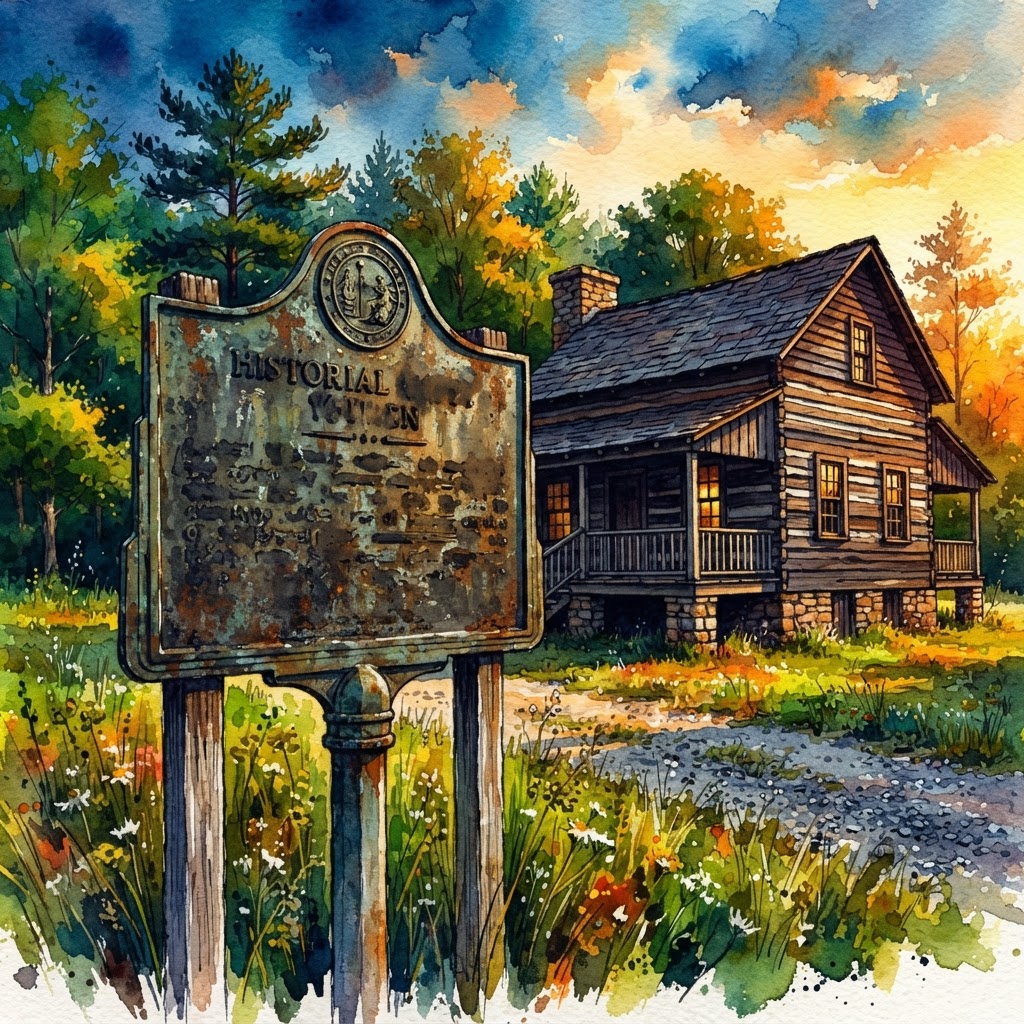
You cannot discuss Roxboro’s influence without mentioning the Governor William W. and Musette Satterfield Kitchin House. This historic home links Roxboro directly to the highest levels of state politics. William W. Kitchin served as the Governor of North Carolina from 1909 to 1913, and his residence here stands as a testament to the town's political weight. The house isn't just a monument to a man, but to a family legacy that navigated the turbulent waters of early 20th-century Southern politics. It represents the 'Politics' in our tour title, showcasing the ambition and leadership that emerged from this corner of the state.
Education and Medicine: Building the Community
Legacy in Roxboro isn’t only found in political offices. The Roxboro Male Academy marker recalls a local institution of education and training that sought to prepare the next generation of leaders. Ambition was a driving force here, as the community invested in the intellectual growth of its young men.
Similarly, the Medical Office of Dr. William Merritt and Dr. John Hamlett Merritt highlights the importance of local medicine. This marker names Dr. William Merritt and his son, Dr. John Hamlett Merritt, signaling a family medical practice that served the town for decades. These stops remind us that the backbone of Roxboro was built by families dedicated to the health and education of their neighbors.
Facing the Pain: The Lynching of Edward Roach
Perhaps the most somber and significant stop on the tour is the marker dedicated to The Lynching of Edward Roach. This is where the 'Pain' in the tour title becomes undeniably real. In a town filled with markers of progress and prestige, this marker names a specific act of racial violence and forces a public remembrance. Edward Roach was a victim of a mob that bypassed the very 'justice' the nearby courthouse was supposed to uphold. Including this stop is a bold and necessary move for Roxboro; it acknowledges that history is not just about the winners or the powerful, but also about the victims of systemic failure. It is a moment for quiet reflection and a reminder of the long road toward true justice.
Contested Memories: The Confederate Memorial
Continuing the theme of memory, we visit the Confederate Memorial. Like many across the South, this marker stands among Roxboro’s public remembrances, sparking conversations about commemoration and contested memory. In the context of the Roxboro Uncovered tour, it serves as a contrast to the Roach marker, asking visitors to consider whose stories are traditionally told in public spaces and how those narratives are evolving today.
Faith and Family: The Beams
Finally, we look at the role of the church and the home through the marker for The Reverend John Alexander Beam and Mollie Lucas Beam. This marker gives the lifespans of both the Reverend and his wife, acknowledging their shared religious leadership and family life. It provides a glimpse into the spiritual bedrock of Roxboro, showing how faith and family have consistently anchored the community through times of both prosperity and strife.
Conclusion: Why Roxboro Matters
Roxboro is a town of layers. It is a place where you can admire the home of a governor in the morning and stand in the shadow of a dark history in the afternoon. The Roxboro Uncovered: Politics & Pain tour doesn't shy away from the truth. Instead, it invites us to look closer, to ask questions, and to understand that the beauty of a town is often intertwined with its struggles.
FAQ About Visiting Roxboro, NC
Q: Where is Roxboro located? A: Roxboro is located in the north-central part of North Carolina, in Person County, about 30 miles north of Durham.
Q: How long does the walking tour take? A: The tour covering these historical markers typically takes about 1.5 to 2 hours at a leisurely pace.
Q: Is the Edward Roach marker easy to find? A: Yes, it is located near the courthouse area, placed prominently to ensure it is part of the public consciousness.
Q: Are there good places to eat in downtown Roxboro? A: Absolutely! Downtown Roxboro has seen a revitalization recently, with several local cafes and diners that offer classic Southern comfort food.
Q: Is this tour suitable for children? A: While the history is complex and includes mature themes of violence, it is an excellent educational opportunity for older children and teenagers to learn about North Carolina's multifaceted history.
Sponsored
Google Ads slot — will render here once AdSense is connected.
Share this article