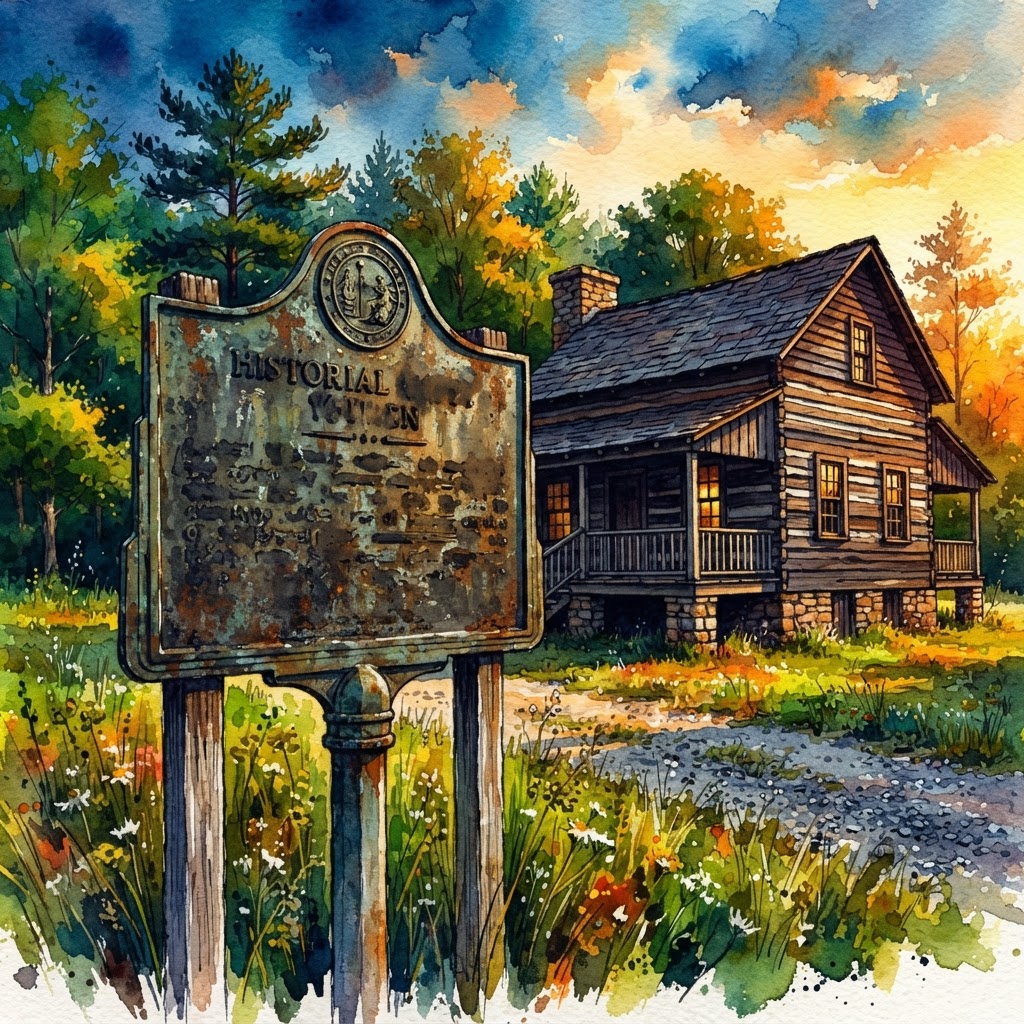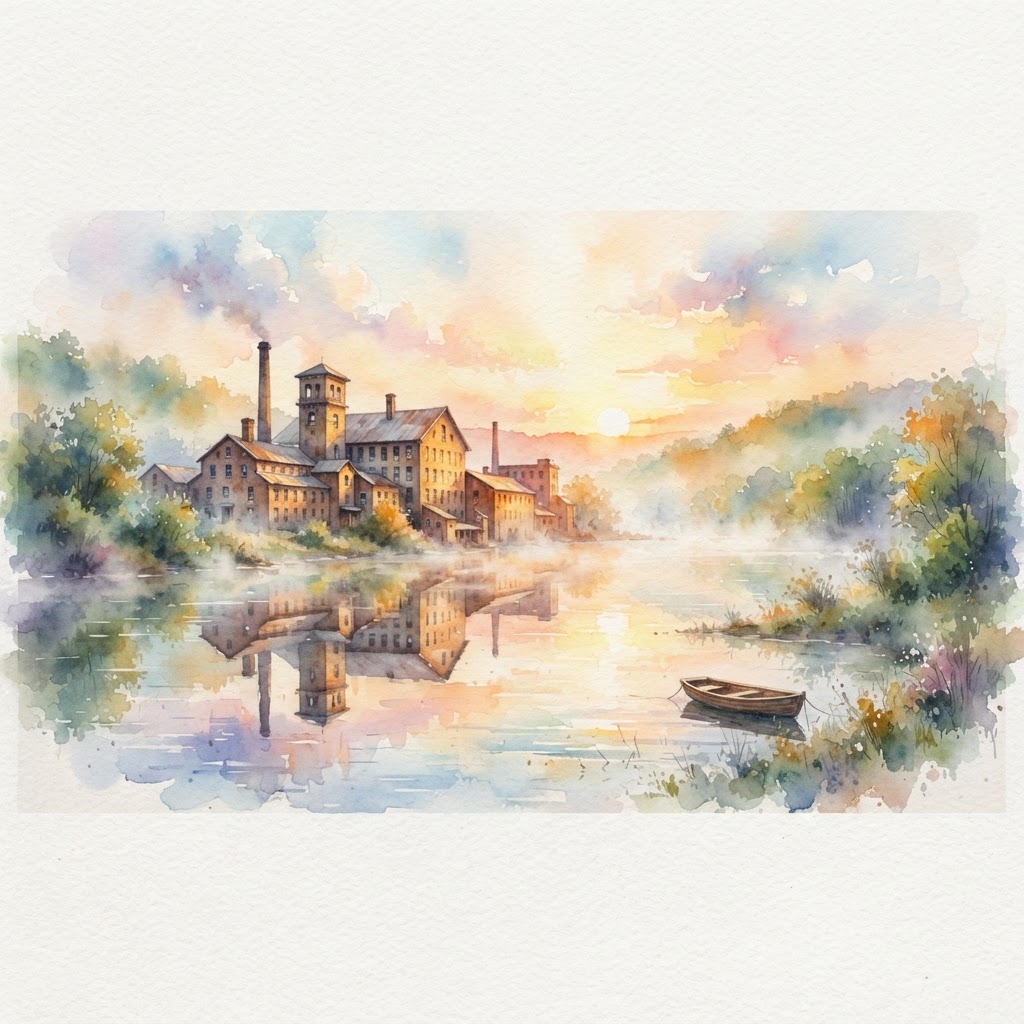
Rhodhiss Uncovered: A Journey Through Time on the Catawba River\n\nIf you follow the winding path of the Catawba River as it snakes through the North Carolina foothills, you will eventually find yourself in a place that feels as though time has slowed to a gentle crawl. Welcome to Rhodhiss, North Carolina. Often overlooked by travelers rushing toward the mountains, Rhodhiss is a treasure trove of industrial heritage, natural beauty, and whispered secrets. Today, we are diving deep into the Rhodhiss Uncovered tour, a curated path through the town's most significant historical and cultural landmarks.\n\n## The Secret of the Whispering Cedars\n\nEvery town has its legends, but Rhodhiss has the Whispering Cedars. Tucked away in a hidden grove that few tourists ever find, these ancient cedar trees are rumored to be over 200 years old. As a local expert for NC Uncovered, I can tell you there is nothing quite like the atmosphere here. When the wind picks up, the branches creak and rustle in a way that sounds almost like human speech. Local folklore suggests these trees hold the secrets of the town's past, watching over the residents since before the industrial boom. It is the perfect place for quiet reflection before you start the more urban part of your journey.\n\n## The Lifeblood of the Region: Catawba Riverfront Park\n\nNext, we head to the Catawba Riverfront Park. You cannot understand Rhodhiss without understanding the river. This park serves as a beautiful reminder of the natural resources that sustained the region long before the first bricks were laid for the mills. It is also a site of deep historical significance, as it honors the Indigenous people, specifically the Catawba Nation, who first inhabited and stewarded this land. The river was their highway and their pantry, and today, it remains a place of recreation and peace for the community.\n\n## The Industrial Heart: The Old Cotton Mill and Tobacco Warehouse\n\nAs you move into the heart of the town, the architecture begins to change. The Old Cotton Mill stands as a towering monument to Rhodhiss's industrial era. In the late 19th and early 20th centuries, this mill was the town's heartbeat, signaling the transition from a quiet agricultural community to a bustling industrial hub. Walking past its weathered walls, you can almost hear the rhythmic clatter of the looms that once defined daily life here.\n\nNot far away, you will find the Historic Tobacco Warehouse. While textile was king, tobacco was the queen of the North Carolina economy. This warehouse was once a bustling center for trade, where the scent of cured golden leaf filled the air. Today, it stands as a rugged remnant of Rhodhiss's agricultural roots, reminding us of the labor and grit that built this state.\n\n## Civic Pride and Local Governance: Rhodhiss Town Hall\n\nNo visit to Rhodhiss is complete without a stop at the Rhodhiss Town Hall. Built in 1905, this building is a stunning example of early governmental architecture in the Foothills. It represents more than just offices; it is a symbol of civic pride and the moment Rhodhiss truly came into its own as an incorporated town. Its classic lines and sturdy construction reflect the stability the town sought during its rapid growth phase.\n\n## Echoes of Conflict and The Path to Freedom\n\nHistory isn't always peaceful, and Rhodhiss has seen its share of struggle. The Civil War Marker in town commemorates a skirmish that took place nearby. While often overshadowed by larger battles, this local conflict was a crucial piece of the regional puzzle during the war. \n\nEven more poignant is the Freedmen's Bureau Site. Following the Civil War, this site was a beacon of hope, marking where the Freedmen's Bureau operated to assist formerly enslaved African Americans. The transition to freedom and citizenship was fraught with challenges, and this site stands as a testament to the resilience of those who sought to build new lives in the wake of systemic oppression. It is a vital stop on the Rhodhiss Uncovered tour for anyone looking to understand the full complexity of Southern history.\n\n## Final Resting Place: The Old Rhodhiss Cemetery\n\nWe conclude our tour at the Old Rhodhiss Cemetery. Dating back to the 19th century, this is the final resting place for the town's earliest citizens. Reading the headstones is like reading a directory of the town's founding families. From mill workers to merchants, the people buried here are the ones who turned a riverside settlement into the Rhodhiss we know today. The silence here is respectful, offering a final opportunity to appreciate the legacy of those who came before us.\n\n### Why You Need to Visit Rhodhiss Now\n\nRhodhiss is currently experiencing a quiet renaissance. As people seek out authentic, off-the-beaten-path experiences, this town offers a perfect blend of education and exploration. Whether you are a history buff, a nature lover, or an urban explorer, the Rhodhiss Uncovered tour provides a comprehensive look at the soul of North Carolina.\n\n***\n\n### Frequently Asked Questions (FAQ)\n\nQ: How long does the Rhodhiss Uncovered tour take?\nA: To truly appreciate all the stops, including the Whispering Cedars and the Riverfront Park, we recommend at least 3 to 4 hours. It is a great half-day trip!\n\nQ: Is Rhodhiss family-friendly?\nA: Absolutely! The Catawba Riverfront Park has plenty of space for kids to run around, and the historical markers provide a great living history lesson for students.\n\nQ: What is the best time of year to visit?\nA: Spring and Fall are spectacular. In the Spring, the river area is lush and green, while the Fall brings vibrant colors to the ancient trees at the Whispering Cedars.\n\nQ: Are the sites accessible?\nA: Most sites, like the Town Hall and the Cotton Mill, are easily viewable from the street or public walkways. The Riverfront Park is well-maintained, though the Whispering Cedars grove may require a short walk on uneven ground.\n\nQ: Where can I find more information about NC Uncovered tours?\nA: Stay tuned to our blog and follow our social media channels for the latest guides on North Carolina's hidden gems!", "read_time_minutes": 9, "hero_image_prompt": "A cinematic wide shot of the Catawba River at sunrise with the historic Rhodhiss bridge and the Old Cotton Mill in the background, soft golden hour lighting, mist rising from the water.", "cover_image_prompt": "A close-up of a rustic wooden sign that reads 'Rhodhiss Uncovered' leaning against an ancient cedar tree in a sun-dappled forest grove."}```of tree rings. The town’s history is literally etched into its geography. Whether you’re a history buff, a nature lover, or just someone looking for a new weekend escape, Rhodhiss is calling. Don’t just drive past the exit next time—pull over and uncover the magic for yourself.\n\n### Rhodhiss Uncovered: FAQ\n\nQ: Where is Rhodhiss located?\nA: Rhodhiss is uniquely situated along the Catawba River, straddling the line between Caldwell and Burke Counties in North Carolina.\n\nQ: Is the Rhodhiss Uncovered tour self-guided?\nA: Yes! You can visit these historical markers and sites at your own pace. Most stops are within a short drive or moderate walk of one another.\n\nQ: What should I bring?\nA: Comfortable walking shoes are a must, especially for the Whispering Cedars and the Riverfront Park. Don't forget your camera—the industrial architecture is incredibly photogenic!\n\nQ: Is there a fee for the parks?\nA: Catawba Riverfront Park is free to the public, making it a budget-friendly way to enjoy NC’s natural beauty.","read_time_minutes":10,"hero_image_prompt":"A wide-angle, cinematic photograph of the Catawba River at golden hour with the historic Rhodhiss bridge and the red-brick Old Cotton Mill reflecting in the calm water.","cover_image_prompt":"A moody, sun-dappled shot of ancient cedar trees with gnarled branches in a hidden North Carolina grove, with a soft focus on a historical marker in the foreground."}
Sponsored
Google Ads slot — will render here once AdSense is connected.
Share this article
#North Carolina#Travel Guide#History#River Towns#Heritage Tourism