Grifton Uncovered: The Ultimate Guide to Eastern NC’s Hidden River Town
Welcome to Grifton, North Carolina—a place where the water tells the stories and the trees whisper the secrets of the past. If you’ve spent any time exploring the backroads of the Tar Heel State, you know that the true heart of our culture isn’t found in the sprawling cities, but in the small towns that have weathered the centuries with grace. Grifton is exactly that place. Known as the gateway between Pitt and Lenoir Counties, this charming community is famous for one thing above all else: the Shad Festival. But as we explore the Grifton Uncovered tour today, you’ll see that there is so much more to this town than just a seasonal celebration. It is a tapestry of colonial crossings, tobacco heritage, and deep-rooted faith.
The Lifeblood of Grifton: Contentnea Creek
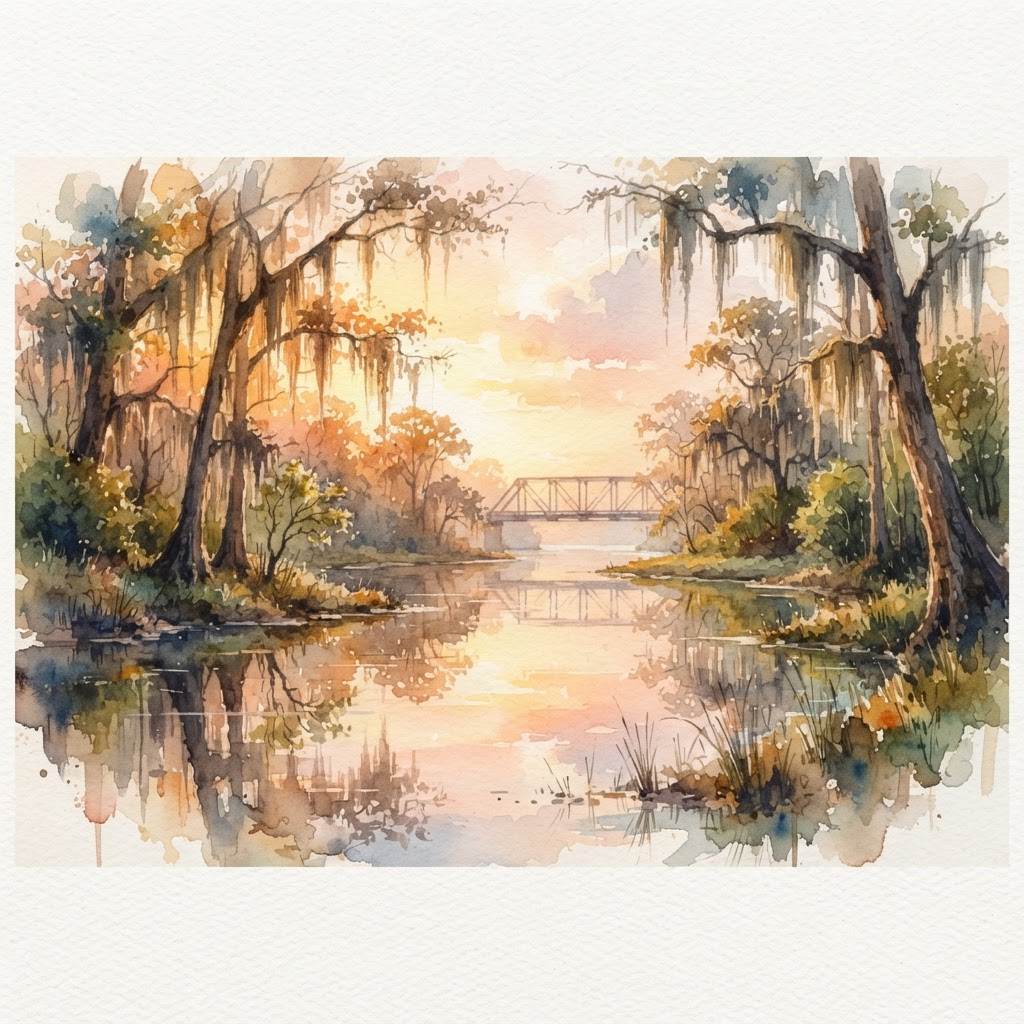
To understand Grifton, you must first understand Contentnea Creek. This isn't just a body of water; it’s the town’s lifeline. Long before paved roads connected the coast to the Piedmont, the creek was a colonial highway. Traders, explorers, and early settlers used these waters to navigate the dense North Carolina wilderness. Today, the creek remains a focal point for recreation and local pride. It’s where the world-renowned Shad Festival takes place every spring, celebrating the annual migration of the hickory and American shad. But the creek offers a quiet beauty that lasts all year long, inviting kayakers and nature lovers to witness the Spanish moss-draped cypress trees that line its banks.
SECRET STOP: The Whispering Pines
Every travel guide has its highlights, but for the true Grifton Uncovered experience, you have to know where the locals go when they want to disappear into nature. Tucked away just off the beaten path near the creek is a spot known as The Whispering Pines. This hidden nature sanctuary is a favorite among those who have lived here for generations. It’s a place of immense tranquility where the wind moving through the tall pine needles creates a soft, rhythmic sound that gives the area its name. Historically, this spot served as an informal gathering place for community celebrations, family picnics, and quiet Sunday afternoons. It remains a pristine example of the natural beauty that defines Eastern North Carolina.
Pillars of the Community: Grifton’s Historic Churches
Faith has always been the bedrock of Grifton, and the town’s historic churches are more than just places of worship; they are architectural landmarks that tell the story of a resilient population.
Union Grove Methodist Church
Standing as a sentinel of the antebellum era, Union Grove Methodist Church is a must-see. Founded in a time of great national transition, this church has provided a spiritual home for local families for over 150 years. The simplicity of its design reflects the humble, hardworking nature of the people who built it. When you stand in its presence, you can almost hear the hymns of the past echoing through the rafters. It represents a continuity of community that is rare in today’s fast-paced world.
Historic Grifton Baptist Church
Further into town, you’ll find the Historic Grifton Baptist Church. Founded in 1845, this congregation has been at the center of Grifton’s social and spiritual life for nearly two centuries. The architecture is stunning, featuring classic lines and a sense of permanence that anchors the downtown area. It’s a testament to the town’s enduring roots and the role that organized faith played in settling the river regions of North Carolina.
A Glimpse into the Golden Age of Trade
During the late 19th and early 20th centuries, Grifton was a bustling center of commerce. The Grifton Uncovered tour takes you to three specific sites that highlight the town’s economic history.
The Old Post Office (1936)
There is something uniquely nostalgic about Depression-era architecture, and the Old Post Office in Grifton is a prime example. Built in 1936 as part of a national effort to modernize infrastructure and provide jobs, this building served as the vital link between Grifton and the rest of the world. In an era before the internet or widespread telephone access, the post office was the town’s heartbeat. Its sturdy brick construction and symmetrical design symbolize the stability the community sought during the lean years of the 1930s.
The Former Grifton Railroad Depot
While the tracks may be quieter now, the Former Grifton Railroad Depot was once a hive of activity. As a critical stop for the Atlantic Coast Line, this depot facilitated the movement of goods—primarily tobacco and timber—out to the larger markets of the East Coast. It also brought in new residents and travelers, fueling the town’s growth. Seeing the depot today allows one to visualize the steam engines pulling into the station, the platform crowded with workers and families, and the vibrant energy of a town on the rise.
The Grifton Tobacco Warehouse
No history of Eastern North Carolina is complete without a nod to the 'bright leaf' tobacco industry. The Grifton Tobacco Warehouse is a monument to the crop that built the region’s economy. During the harvest season, this warehouse would have been filled with the sweet, heavy scent of cured tobacco. Farmers from across the county would bring their wagons here to sell their 'gold' at auction. It was a place of high stakes and high spirits, and its presence today reminds us of the agricultural heritage that remains a point of pride for many North Carolinians.
Preserving the Legacy: Museums and Memorials
To wrap up your journey through Grifton, you must visit the sites that dedicatedly preserve the town's narrative.
The Grifton Museum
This local treasure is a small but mighty institution. The Grifton Museum houses a collection that spans centuries—from the artifacts of the Tuscarora Nation who first lived along the Contentnea, to the colonial artifacts of the early explorers, to the memorabilia of the tobacco boom. It is a labor of love by local historians who ensure that the stories of Grifton are never forgotten.
Holly Hill Cemetery
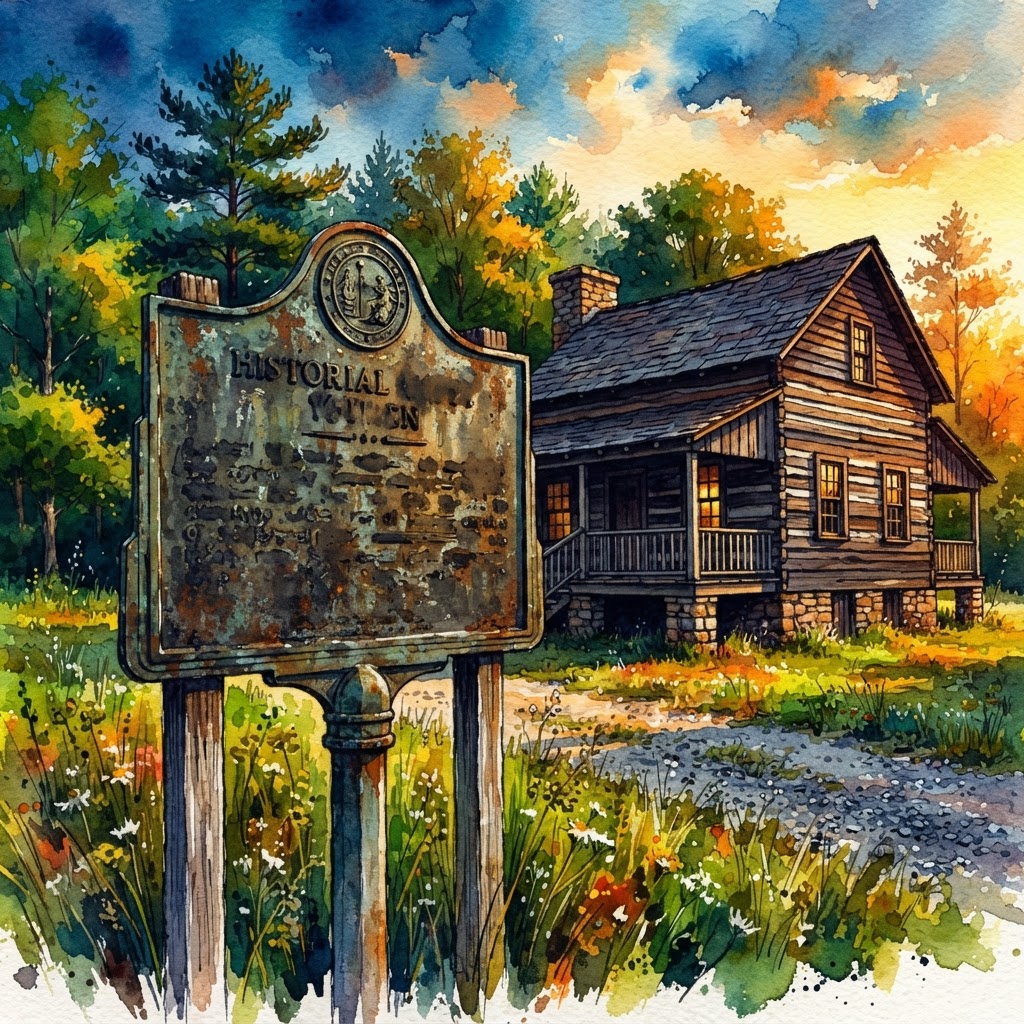
Finally, take a somber but beautiful walk through Holly Hill Cemetery. Established in the 1800s, this is the final resting place of the men and women who founded and shaped Grifton. The grave markers here are unique, some featuring intricate Victorian designs and others simple, weathered stones. It is a place of profound peace and a reminder of the generations of families who have called this river town home.
Why Grifton Matters Today
In a world of chain stores and cookie-cutter suburbs, Grifton stands out as an authentic piece of North Carolina. Through the Grifton Uncovered tour, we see a town that respects its past while welcoming the future. Whether you’re here for the shad, the history, or the quiet beauty of the Whispering Pines, you’ll leave with a deeper appreciation for the small towns that make our state great.
Frequently Asked Questions (FAQ)
What is the best way to see Grifton? We recommend a self-guided walking tour starting at the Grifton Museum and winding your way down toward the Contentnea Creek waterfront.
Is Grifton near any other major NC attractions? Yes! Grifton is conveniently located between Greenville and Kinston, making it a perfect day trip for anyone visiting Pitt or Lenoir Counties.
Can I boat on Contentnea Creek? Absolutely. There are public boat ramps available, and the creek is excellent for kayaking, canoeing, and fishing.
How long should I spend on the Grifton Uncovered tour? To fully appreciate all the stops, including the museum and nature spots, plan for a 3 to 4-hour visit.
Sponsored
Google Ads slot — will render here once AdSense is connected.
Share this article