Welcome to the Heart of the High Country
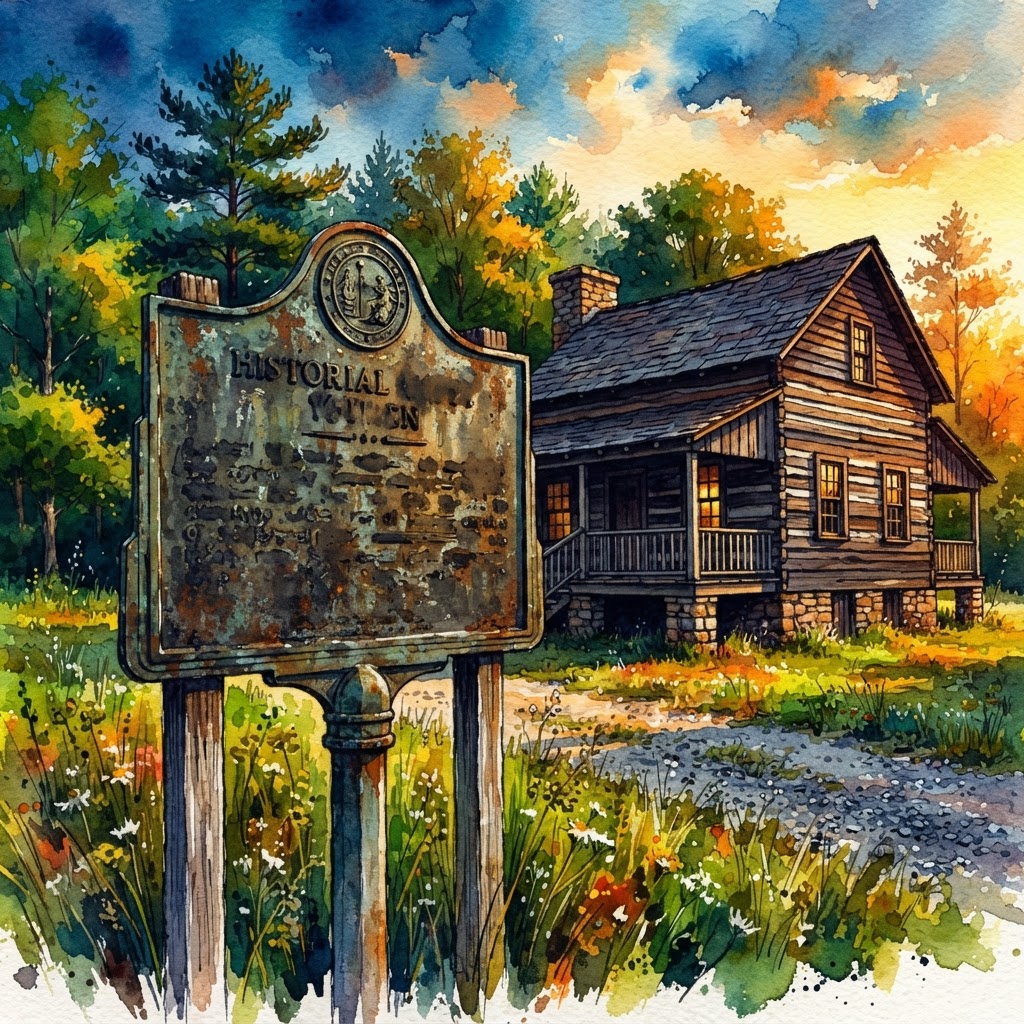
If you have ever cruised along the Blue Ridge Parkway near Milepost 259, you have likely seen the signs for Glendale Springs. For many, it is a quick stop for a photograph or a bite to eat. But for those of us at NC Uncovered, this town is a living museum. Today, we are taking you off the beaten path with our exclusive Glendale Springs Uncovered tour, a journey through the markers and monuments that tell the story of North Carolina’s resilient spirit.
Glendale Springs is a place where the air is thinner, the water is colder, and the history is deeper than you might imagine. While most visitors flock to the famous frescoes, we want to show you the layers of heritage that truly define this community. From the indigenous roots of the Catawba to the industrial boom of the railroad, every corner of this town has a story to tell.
The Secret Stop: The Hidden Spring
Every town has its secrets, but ours is literal. The first stop on our journey is a place known only to those who have grown up in these hills: The Hidden Spring. Tucked away beneath a canopy of ancient oaks and rhododendrons, this natural spring has been the lifeblood of the community for centuries. Before indoor plumbing was a standard luxury, this was where the town gathered.
Imagine the generations of friendships forged over buckets of fresh, crystal-clear water. It wasn’t just a utility; it was a social hub. Locals still whisper about the community bonds formed here, where news was shared, and courtships began. The water remains as cool and refreshing as ever, a tangible connection to the ancestors of Glendale Springs.
Honoring Sacrifice: The Glendale Springs Civil War Memorial
History in the South is often defined by the scars of the 1860s, and Glendale Springs is no exception. The Glendale Springs Civil War Memorial stands as a solemn tribute to the local men who traded their plowshares for rifles. This isn't just a national story; it's a deeply personal one.
Walking around the memorial, you’ll see familiar local surnames carved into the stone—names that still appear on mailboxes and business storefronts today. It serves as a stark reflection of how national conflicts ripple down to the smallest mountain coves, altering the course of families and the town’s development for decades.
A Path Toward Equality: The Former Freedmen's Bureau Site
Perhaps one of the most significant yet overlooked stops on the Glendale Springs Uncovered tour is The Former Freedmen's Bureau Site. Following the Civil War, the Reconstruction era brought about massive societal shifts. This site once housed an office dedicated to assisting newly freed slaves as they navigated their new lives as citizens.
From providing educational resources to helping negotiate labor contracts, the Bureau represented a beacon of hope and a step toward equality. Standing here today, one can feel the weight of that progress. It serves as a reminder that Glendale Springs has always been a place of transition and growth, even during the most tumultuous times in American history.
Architectural Elegance: The Caldwell House
As Glendale Springs moved into the early 20th century, the economy began to shift. The Caldwell House is a stunning testament to this era of growing affluence. Unlike the modest log cabins of the earliest settlers, this private residence showcases the sophisticated architectural styles that began to emerge as the town prospered.
With its unique design elements and expansive porches, the Caldwell House reflects a time when Glendale Springs was beginning to see itself as a destination. While it remains a private home, its exterior offers a masterclass in early 20th-century craftsmanship that shouldn't be missed.
Roots Deep and Wide: Catawba Indian Heritage Site
Long before the first European settlers arrived, the Catawba Indian Nation called these mountains home. The Catawba Indian Heritage Site commemorates the deep history and ongoing significance of the indigenous people in this region. The Catawba were known for their resilience and their pottery, and their influence on the local culture is undeniable.
This stop is a place for reflection on the land itself. It honors the history of the region before and after settlement, acknowledging the complex relationship between the original inhabitants and the pioneers who followed. It’s a vital piece of the puzzle in understanding the true soul of Glendale Springs.
The Soil and the Soul: The Old Tobacco Warehouse
Agriculture has always been the backbone of the North Carolina economy, and in this part of the state, tobacco was king. The Old Tobacco Warehouse stands as a monument to the farmers who toiled in the nearby fields. Once a bustling center where the scent of cured leaves filled the air, the warehouse was essential for storing the region's primary cash crop.
While the industry has changed, the warehouse remains a symbol of the hard work and agricultural ingenuity that built the town. It reminds us of a time when the rhythm of life was dictated by the seasons and the harvest.
Echoes of the Iron Horse: Glendale Springs Depot
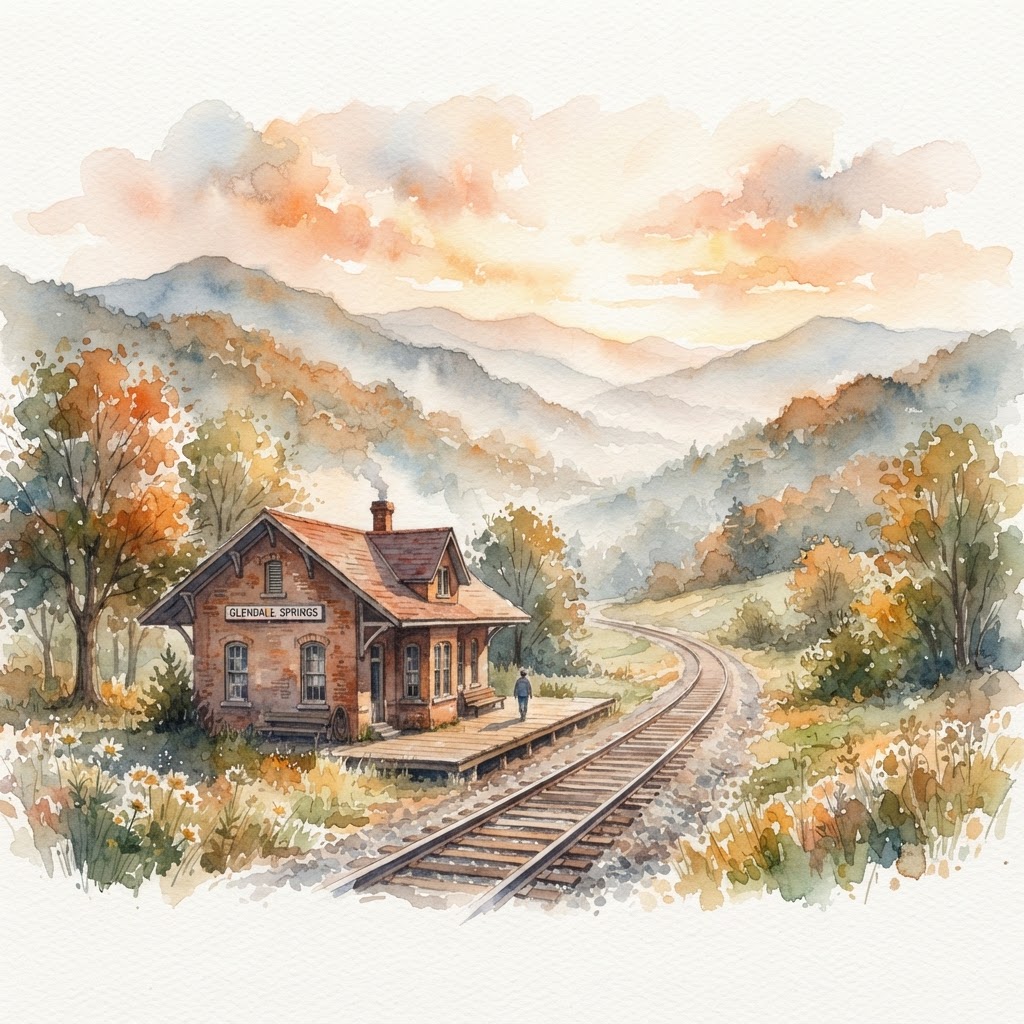
In the late 1800s, the world finally reached the mountains via the railroad. The Glendale Springs Depot was the town's gateway to the outside world. This bustling hub was where people, goods, and ideas arrived, fueling the town’s rapid growth.
Transportation is the engine of development, and the depot was the spark. Standing on the site today, you can almost hear the whistle of the locomotive and the clamor of passengers. It marks the transition of Glendale Springs from an isolated mountain community into a connected, thriving town.
Resting Place of Pioneers: Glendale Springs Cemetery
Finally, no historical tour is complete without paying respects to those who paved the way. The Glendale Springs Cemetery is the final resting place for the town’s early settlers and notable figures. The headstones here tell a story of survival, faith, and family.
As you walk among the graves, look for the dates and the epitaphs. They offer a poignant glimpse into the past, reminding us that the town we enjoy today was built on the dreams and labor of those who came before us.
Why Visit Glendale Springs Now?
Glendale Springs offers a unique blend of natural beauty and historical depth. Whether you are a history buff, an architecture enthusiast, or simply someone looking for a meaningful escape, the Glendale Springs Uncovered experience provides a perspective you won't find in a brochure.
Quick Tips for Your Visit:
- Wear comfortable shoes: Many of these sites are best explored on foot.
- Bring a camera: The architecture and memorial sites are incredibly photogenic.
- Respect privacy: Remember that sites like the Caldwell House are private residences; please admire them from the public right-of-way.
- Check the weather: The High Country weather can change in a heartbeat, so bring a light jacket even in summer.
FAQ About Glendale Springs
Q: How long does the Glendale Springs Uncovered tour take? A: We recommend setting aside at least three to four hours to truly appreciate each stop and soak in the atmosphere of the town.
Q: Is Glendale Springs family-friendly? A: Absolutely! The sites offer a great educational opportunity for children, and the Hidden Spring is always a hit with the younger explorers.
Q: When is the best time to visit? A: While autumn offers stunning foliage, the spring and summer months are perfect for visiting the Hidden Spring and the outdoor memorials.
Q: Are there places to eat nearby? A: Yes, Glendale Springs has several charming local eateries that serve classic Appalachian comfort food, perfect for refueling after your tour.
Sponsored
Google Ads slot — will render here once AdSense is connected.
Share this article