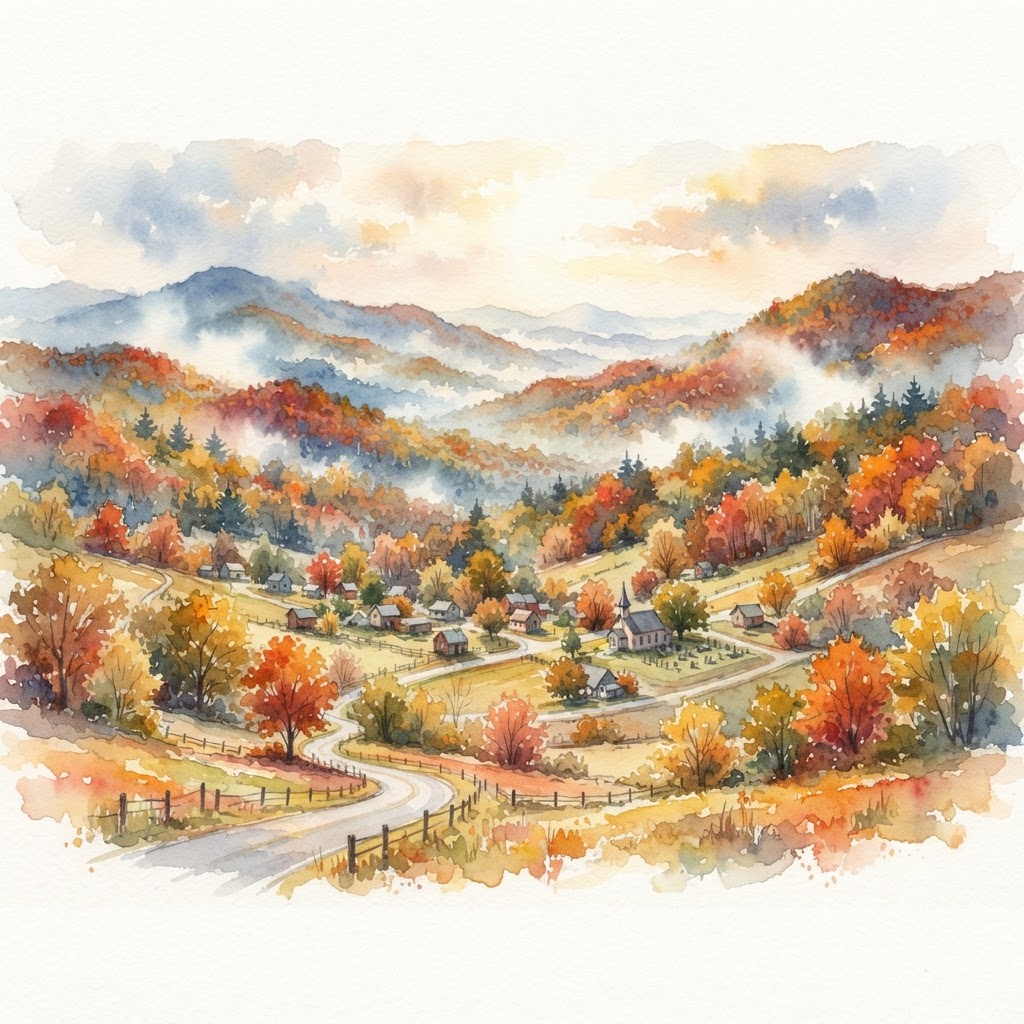
Glendale Springs Uncovered: A Journey Through North Carolina’s Hidden Heritage
Welcome back to NC Uncovered! If you have ever driven along the Blue Ridge Parkway near milepost 259, you have likely seen the signs for a small, picturesque village nestled in the rolling hills of Ashe County. But today, we are going far beyond the scenic overlooks and the famous frescoes. We are diving deep into the soul of one of the High Country’s most storied communities. Our latest adventure, the Glendale Springs Uncovered tour, is designed to pull back the curtain on the legends, the architecture, and the resilient spirit that defines Glendale Springs.
The Heart of the High Country
Glendale Springs is a place where time seems to move a little slower. It is a village that has witnessed the rise and fall of industries, the march of soldiers, and the quiet persistence of families who have called these mountains home for generations. While many visitors stop briefly to admire the local craftsmanship, those who take the time to look closer will find a tapestry of history that spans from the early Indigenous inhabitants to the bustling railway era of the 20th century.
Our Glendale Springs Uncovered experience is more than just a walk through town; it is a narrated journey through the milestones that shaped Western North Carolina. From the remnants of the tobacco trade to the sacred grounds of early settlers, every stop tells a part of the larger American story.
The Glendale Springs Uncovered Experience: Must-See Stops
1. The Hidden Garden of Stories
Our journey begins at a place you won’t find on most maps. The Hidden Garden of Stories is a quaint, unmarked sanctuary meticulously maintained by the residents of Glendale Springs. As you wander through its blooming pathways, you will discover a collection of sculptures and memorials. Each piece isn't just art; it is a narrative. These monuments are dedicated to the local figures and events that have defined the community, offering a raw and personal look at the town's collective memory. It is the perfect place to start our tour, grounding us in the local spirit.
2. The Historic County Courthouse
Constructed in 1903, the Historic County Courthouse stands as a testament to the early 20th-century ambitions of the region. This isn't just a relic; it remains a functioning governmental site, bridging the gap between historical preservation and modern civic life. The architecture is a stunning example of the period's public works, featuring grand elements that reflect the pride of Ashe County. Standing on its steps, you can almost hear the echoes of legal debates and community gatherings from a century ago.
3. Native American Heritage Site
Long before European settlers carved roads through the gaps of the Blue Ridge, this land was home to thriving Indigenous tribes. This heritage site is a solemn and vital part of the Glendale Springs Uncovered tour. It honors the culture, history, and enduring legacy of the people who first understood the richness of this landscape. By visiting this site, we pay our respects to the original stewards of the mountain and acknowledge a history that stretches back millennia.
4. St. James Episcopal Church
Established in 1869, St. James Episcopal Church is perhaps the most iconic landmark in Glendale Springs. Its stunning Gothic architecture, characterized by its sharp arches and stone masonry, feels like a piece of the Old World transported to the North Carolina mountains. Beyond its architectural beauty, the church represents the deep religious roots of the community. It is a place of peace and reflection that has stood the test of time, surviving through the reconstruction era and into the modern day.
5. Civil War Site of Glendale Springs
The mountains of North Carolina were often a backdrop for the complexities of the Civil War. This specific site marks an area that was pivotal for troop movements due to its strategic landscape. Skirmishes occurred here as soldiers navigated the rugged terrain, making Glendale Springs a witness to the nation's greatest internal conflict. Walking these grounds allows us to reflect on the strategic importance of the High Country during the 1860s.
6. The Tobacco Warehouse Ruins
There was a time when the 'Golden Leaf' was the lifeblood of the North Carolina economy. The Tobacco Warehouse Ruins are the skeletal remains of what was once a thriving local industry. These ruins serve as a poignant reminder of the economic shifts that have occurred over the decades. As you look at the crumbling brick and weathered timber, you get a sense of the labor and the community effort that once filled these spaces with activity.
7. Old Glendale Springs Cemetery
To truly know a town, you must visit its ancestors. The Old Glendale Springs Cemetery is the final resting place for many of the area’s early settlers and community leaders. The headstones here offer a genealogical map of the region, revealing the names of the families who built the foundations of Glendale Springs. It is a quiet, reflective stop that connects us directly to the pioneers of the High Country.
8. Historic Glendale Springs Depot
Finally, we visit the Historic Glendale Springs Depot. In the early 20th century, the arrival of the train changed everything. This bustling hub connected the isolated mountain village to the wider world, facilitating trade and travel. Though the tracks may be quiet now, the depot remains a symbol of the era when steam engines fueled the growth of the American interior. It represents the moment Glendale Springs stepped into the modern age.
Planning Your Trip to Glendale Springs
If you are planning to join us for the Glendale Springs Uncovered tour, here are a few local tips to make your visit perfect:
- Best Time to Visit: While the fall foliage is world-famous, visiting in late spring offers a lush, green perspective of the Hidden Garden of Stories when everything is in full bloom.
- What to Pack: Comfortable walking shoes are a must! Many of our stops involve light walking on uneven terrain, particularly the cemetery and the warehouse ruins.
- Local Eats: After your tour, be sure to stop by the local general stores for a taste of authentic mountain snacks and crafts.
Conclusion
Glendale Springs is more than just a beautiful backdrop for a mountain drive. It is a living museum, a collection of stories waiting to be heard, and a community that prides itself on its heritage. Whether you are a history buff, a lover of architecture, or simply someone looking for a deeper connection to the North Carolina landscape, the Glendale Springs Uncovered tour offers an experience unlike any other. Come see why this little village remains the heart and soul of the High Country.
Frequently Asked Questions (FAQ)
How long does the Glendale Springs Uncovered tour take?
The complete tour usually takes about 3 to 4 hours, allowing plenty of time to explore each site and take photographs.
Are the sites accessible for individuals with mobility issues?
Most sites, like the Courthouse and Church, are accessible. However, the Tobacco Warehouse Ruins and the Old Cemetery have some uneven ground. We recommend checking with us in advance for specific accessibility needs.
Is Glendale Springs family-friendly?
Absolutely! The tour is a fantastic educational opportunity for children, offering a hands-on way to learn about North Carolina history, from the Civil War to the industrial era.
Do I need to book in advance?
While you can explore many of these sites on your own, the full Glendale Springs Uncovered guided experience is best booked in advance to ensure you get the full narrative and access to certain restricted areas.
Sponsored
Google Ads slot — will render here once AdSense is connected.
Share this article