Discovering the Soul of the Bright Leaf: The Ultimate Wilson Heritage Tour Guide
If you’ve lived in Eastern North Carolina for any length of time, you know that the scent of cured tobacco is more than just an agricultural byproduct—it’s the scent of history itself. For decades, Wilson was known globally as the “Bright Leaf Capital of the World.” While the golden leaves no longer dominate every street corner, the legacy they built remains etched into the brick, stone, and spirit of this vibrant city.
Today, we’re stepping back in time via the Wilson Heritage Tour, a curated journey through the architecture, struggles, and triumphs of a city that transformed agricultural wealth into a cultural powerhouse. Whether you’re a history buff, an architecture enthusiast, or a local looking to reconnect with your roots, Wilson has a story to tell you.
The Architecture of Ambition: Downtown and the Courthouse
Walking through Wilson’s historic downtown is like stepping into a time capsule of Edwardian commerce. In the early 20th century, tobacco money didn't just stay in the warehouses; it built a city designed for permanence.
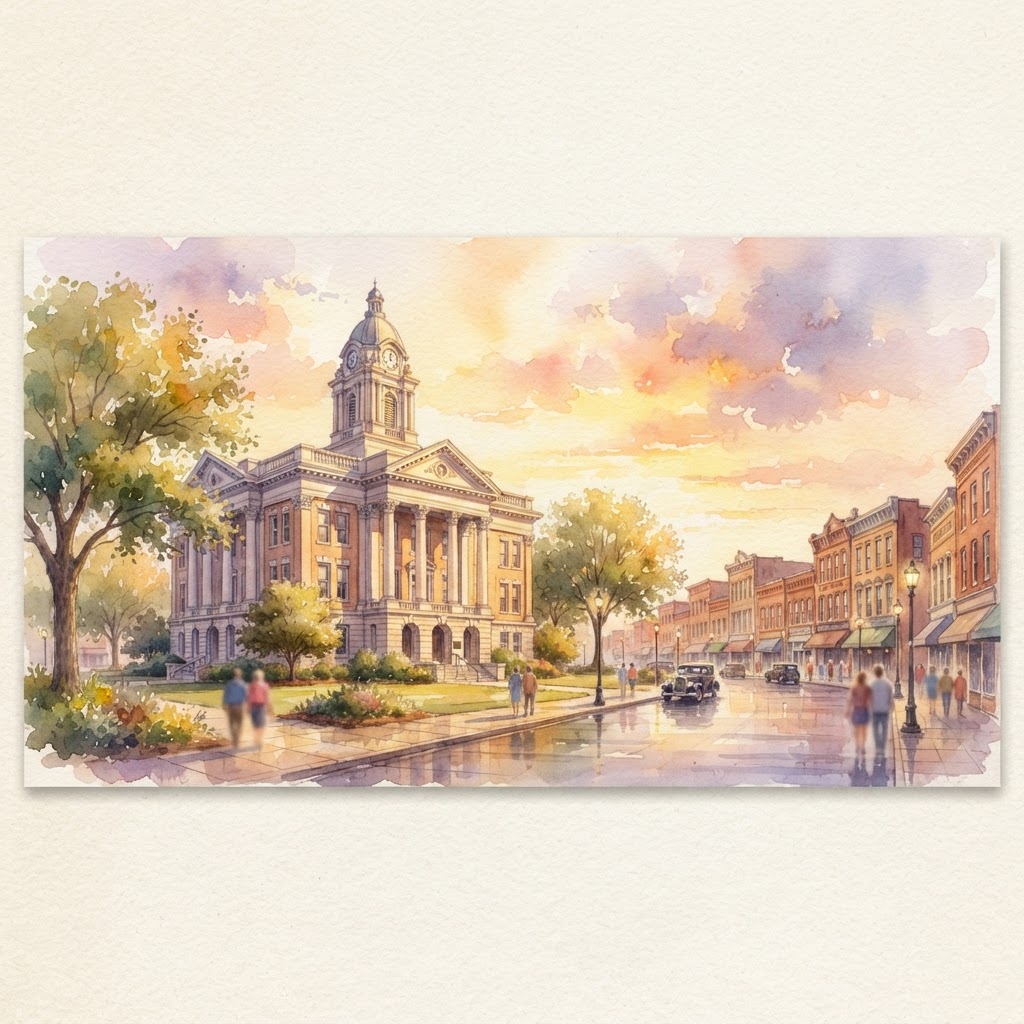
Wilson Historic Downtown — Edwardian Commerce in Amber
As you stroll through the commercial district, look up. The collection of Edwardian and early 20th-century architecture here is one of the finest in the state. These buildings weren't just functional; they were statements of confidence. The ornate brickwork and grand windows testify to a time when Wilson was the economic heartbeat of the region.
Wilson County Courthouse (1924)
The crown jewel of this era is undoubtedly the Wilson County Courthouse. Built in 1924 at the peak of the tobacco boom, its Neoclassical facade serves as a reminder of the city's authority. It rises above the downtown skyline, a monument to the prosperity that once flowed through these streets like a river of gold.
The Resilient Heart: African American Heritage
You cannot understand the history of North Carolina without understanding the parallel economies that thrived during the Jim Crow era. In Wilson, the African American community didn't just survive; they built a world of their own.
Vick Street and Beyond
The Wilson Heritage Tour highlights the bustling world of Vick Street. This area was the epicenter of a thriving Black economy, home to businesses, churches, schools, and fraternal organizations. When the white establishment closed doors, the African American community in Wilson built their own, creating a legacy of self-reliance and cultural richness that continues to inspire.
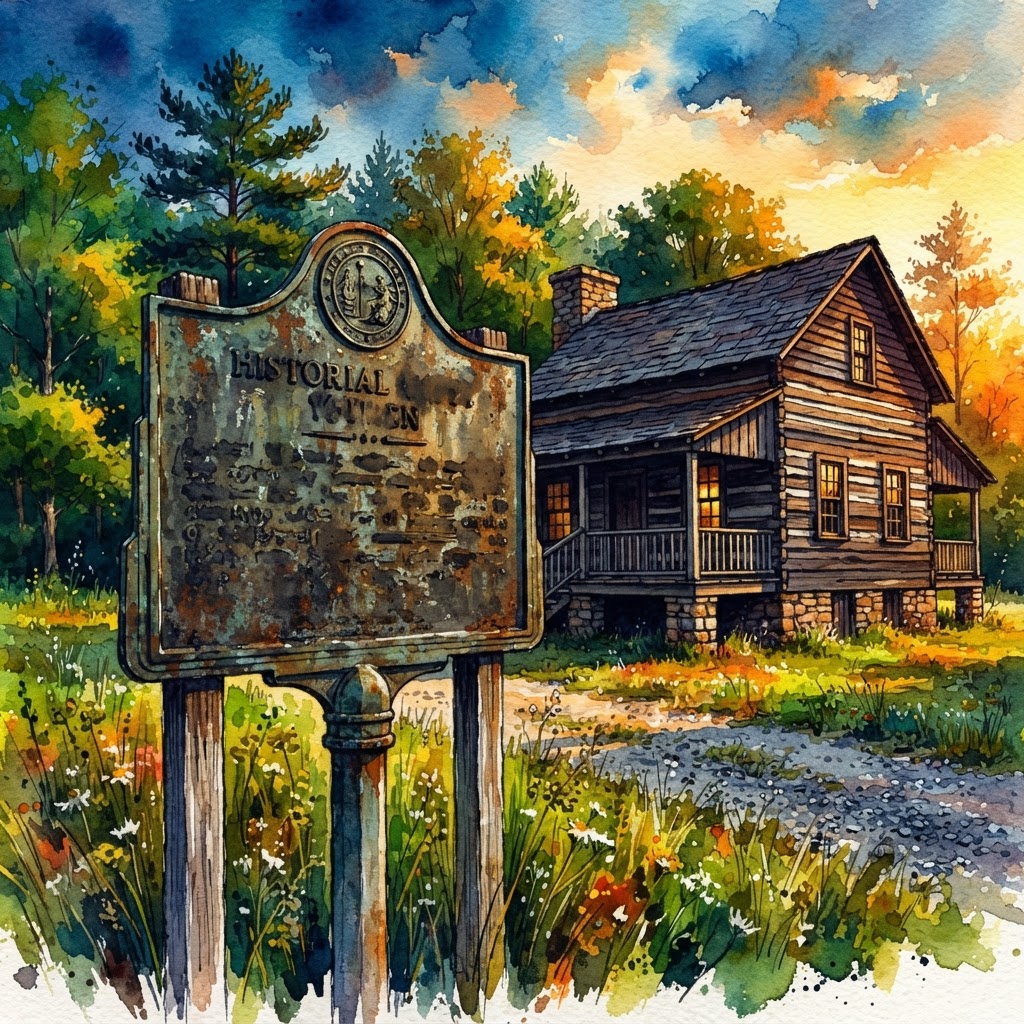
SECRET STOP: The African American Tobacco Worker Memorial Site
Perhaps the most moving stop on the tour is one you might miss if you aren't looking. Down in the floodplain below the massive warehouse district lies the site of former company housing. This is where the seasonal labor force—mostly African Americans—lived while making the "Bright Leaf Capital" a reality. While the site is currently unmarked and largely consists of hidden foundations, the county deed records tell the names and stories of the people who truly built this city. It is a quiet, sacred space of reflection.
Wealth Made Permanent: Banking and Education
How does a town turn seasonal agricultural wealth into a lasting legacy? By investing in institutions.
- Branch Banking Building (BB&T): Most people know BB&T (now Truist) as a financial giant. But its roots are right here in Wilson. The original Branch Banking and Trust Company locations represent the moment tobacco money was converted into a financial powerhouse that eventually grew to serve the entire American South.
- Barton College: Education has always been a priority here. Founded in 1802 as a Christian institution (formerly Atlantic Christian College), Barton has educated generations of Eastern North Carolinians. Its presence in the heart of Wilson is a reminder that the community’s ambitions always extended beyond the warehouse floor to the "life of the mind."
Culture and Connections
Wilson Arts Center
The transformation of Wilson continues today at the Wilson Arts Center. What was once a town defined by raw commerce is now a hub for the performing arts, galleries, and community gatherings. It’s a beautiful example of how a small city can reinvest its history into a modern, creative future.
The Presidential Connection
Did you know Wilson has a connection to the 28th President? While Woodrow Wilson’s mother, Janet Woodrow, was from Virginia, the Wilson family had deep roots in this area of North Carolina. In fact, the town was named by the General Assembly during a time when the Wilson family name carried significant weight throughout the Eastern part of the state.
Planning Your Wilson Heritage Tour
When to Visit: The best time to walk the tour is in the spring or fall when the North Carolina humidity is low and the Edwardian architecture is bathed in soft light.
What to Bring:
- Comfortable walking shoes (downtown is very walkable!).
- A camera (the courthouse is a must-photograph).
- An appetite (Wilson is famous for its Eastern-style BBQ—don't leave without trying some!).
Frequently Asked Questions (FAQ)
Q: How long does the Wilson Heritage Tour take? A: If you are walking the downtown stops, you can see the highlights in about 2 to 3 hours. However, if you want to visit Barton College and spend time at the Arts Center, plan for a full day.
Q: Is the African American Tobacco Worker Memorial Site easy to find? A: It is currently a "secret stop" and is largely unmarked. It is located in the floodplain area near the historic warehouse district. It’s best to consult a local guide or the Wilson County historical records for exact foundation locations.
Q: What is the significance of the name "Bright Leaf"? A: Bright Leaf refers to a specific type of tobacco (flue-cured) that turns a vibrant yellow/gold color during the curing process. Wilson became the primary market for this crop, leading to its nickname as the "Bright Leaf Capital of the World."
Q: Are the historic buildings open to the public? A: Many, like the Courthouse and the Wilson Arts Center, have public hours. Others are private businesses or residences, so please admire the Edwardian architecture from the sidewalk!
Wilson, North Carolina, is a city that remembers where it came from while constantly evolving. From the hidden foundations of the workers to the grand columns of the banks, the Wilson Heritage Tour is an essential experience for anyone who wants to feel the heartbeat of the Old South and the New South all at once.
Sponsored
Google Ads slot — will render here once AdSense is connected.
Share this article