Discovering Liberty, NC: Hidden History, Heritage Sites & Untold Stories
If you have ever cruised down US-421 between Greensboro and Sanford, chances are you’ve caught glimpses of scenic rolling hills, tranquil pastures, and antique road signs pointing toward Liberty, North Carolina. But beyond its famous roadside antique festivals and slow-paced Southern charm lies a tapestry of deep resilience, quiet revolutions, and layered heritage.
Today, we are taking you deep into the heart of Randolph County with Liberty Uncovered, an immersive journey through the town's most evocative historical markers and tucked-away heritage sites. Whether you are a dedicated history buff or a curious weekend wanderer, here is the ultimate guide to experiencing the untold stories of Liberty.
1. Secret Stop: The Old Quaker Meeting House
Tucked far off the main roads and shielded by ancient oaks, The Old Quaker Meeting House is a sanctuary frozen in time. In the 18th century, North Carolina’s Piedmont became a sanctuary for Quaker families seeking a peaceful way of life grounded in equality, simplicity, and nonviolence.
- The Vibe: Peaceful, reflective, and shaded by woodland canopy.
- The Story: Long before Liberty formally emerged on regional maps, early Quaker settlers gathered right here to worship and quietly champion civil equality and abolition. Standing among these grounds gives you an intimate glimpse into the moral compass that helped shape early Randolph County.
2. Indigenous Heritage Site
Before European settlers laid down roads and homesteads, this fertile Piedmont land was home to thriving Native American communities, including the Keyauwee, Sissipahaw, and Catawba-affiliated tribes.
At Liberty’s Indigenous Heritage Site, subtle earthworks and archaeological remnants remind visitors of the area’s original stewards. Wandering this landscape invites a moment of deep reverence for the trade routes, settlements, and communal traditions that flourished here for centuries before modern development took root.
3. Liberty Civil War Site
By early 1865, the ripples of the American Civil War reached the quiet hills around Liberty. The Liberty Civil War Site commemorates a fierce, localized skirmish where home guard troops fought tenaciously to defend their crossroads and infrastructure during the war’s desperate final months.
Historical markers detail the strategic troop movements through the Piedmont and honor the local families whose lives were forever altered by the conflict. It serves as a stark reminder that even the quietest farming communities were touched by national turmoil.
4. Freedmen's Bureau Site
Following the Civil War, the nation faced the monumental task of Reconstruction. In Liberty, the Freedmen's Bureau Site stands as a profoundly significant landmark dedicated to the transition from enslavement to freedom.
Here, agents, teachers, and formerly enslaved families worked in tandem to establish legal rights, locate separated relatives, secure fair labor contracts, and foster initial schools. It represents the very definition of liberty in motion—a poignant tribute to courage, self-determination, and community building during one of the most transformative eras in American history.
5. Union Grove Baptist Church (Built 1871)
Rising gracefully against the skyline, Union Grove Baptist Church is a masterclass in Southern Gothic-inspired wood architecture. Constructed in 1871, this historic house of worship served as a cultural, spiritual, and communal sanctuary for generations.
- Architectural Highlights: Look for the hand-hewn timbers, soaring steepled roof, and pointed lancet windows.
- Community Impact: Beyond weekly services, Union Grove historically hosted homecomings, revival meetings, and community mutual aid societies that supported local families across decades of hardship.
6. Liberty Depot Museum
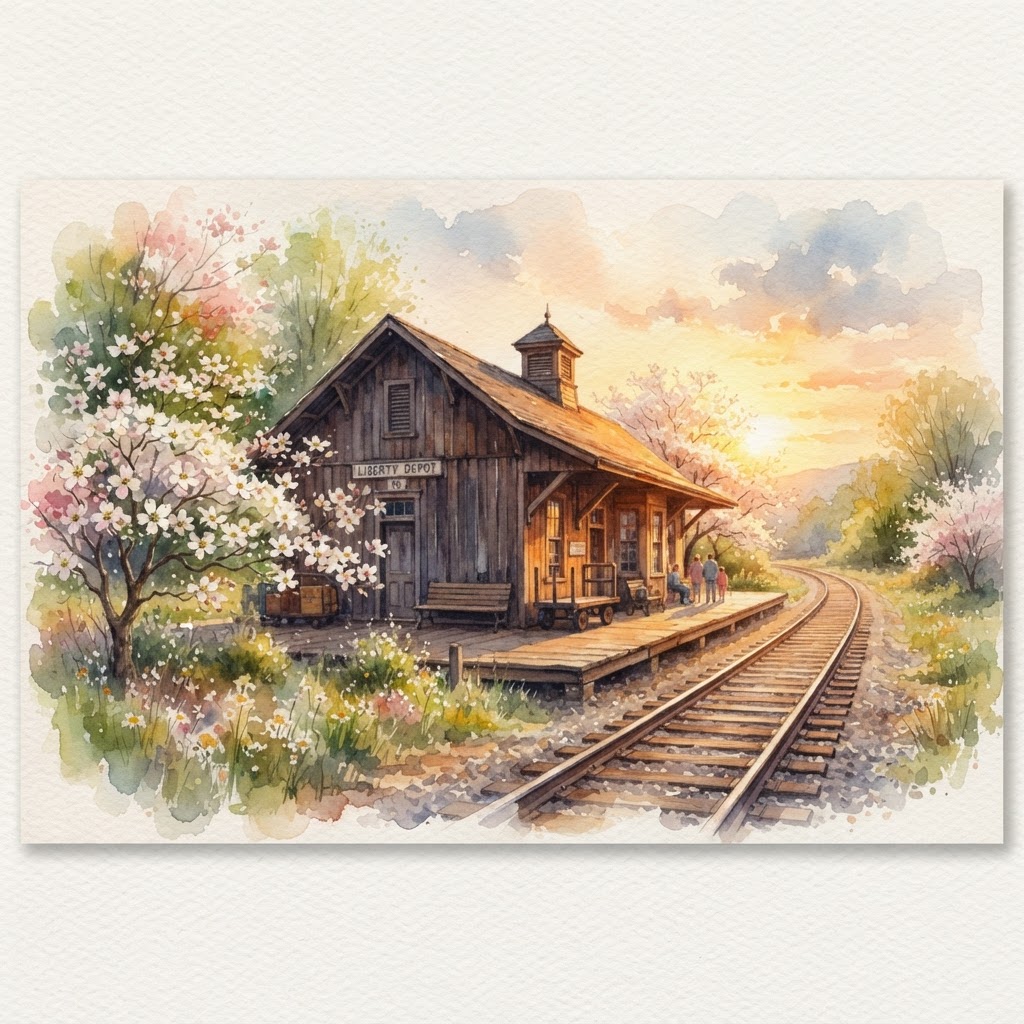
When the Cape Fear and Yadkin Valley Railway arrived in the late 19th century, it catapulted Liberty from an isolated agrarian village into a bustling regional crossroads. The Liberty Depot Museum preserves this electric era of steam and steel.
Step inside the beautifully preserved depot to discover vintage railway equipment, historic ticket stubs, regional photographs, and rail artifacts. You can practically hear the whistles blow and imagine farm wagons lined up outside to unload crops bound for distant coastal ports.
7. The Old Tobacco Warehouse
Rail transit birthed a massive regional boom in brightleaf tobacco, and Liberty was right in the middle of the action. The towering wooden walls of the Old Tobacco Warehouse tell the story of auctioneers' rhythmic calls, fragrant golden leaf piles, and generations of local family farming traditions.
Walking past this industrial relic underscores how deeply agricultural commerce shaped the civic landscape, building merchant fortunes and funding schools across the Piedmont.
8. Liberty Arts Center (c. 1916)
Housed in a majestic brick schoolhouse constructed over a century ago, the Liberty Arts Center proves that heritage is living, breathing, and ever-evolving.
After decades of educating Liberty's youth, the building was lovingly reimagined as a cultural hub. Today, local artists exhibit pottery, paintings, textiles, and sculpture beneath its historic high ceilings. It serves as the creative anchor of town, hosting workshops and gallery shows that ensure Liberty’s creative spirit shines brightly into the future.
How to Take the "Liberty Uncovered" Tour
Exploring these historical landmarks is easy and makes for an unforgettable weekend road trip. Here are our top tips for getting the most out of your visit:
- Pace Yourself: Spend a half-day wandering the trail. Start with the early morning light at the Old Quaker Meeting House, head to the town center for lunch, and finish your afternoon browsing regional works at the Liberty Arts Center.
- Support Local: Pair your tour with a stroll along Swannanoa Avenue to check out Liberty’s antique shops, homestyle diners, and coffee spots.
- Respect Heritage Grounds: Several stops, including the Quaker site and Union Grove, feature sacred grounds and historic cemetery plots. Please tread lightly and leave no trace.
Frequently Asked Questions About Liberty, NC
Where is Liberty, North Carolina located?
Liberty is situated in northeast Randolph County, roughly 30 minutes southeast of Greensboro and 25 minutes north of Asheboro, making it an easy day trip from the Piedmont Triad or the Triangle.
Is the Liberty Uncovered trail walkable or drivable?
While stops in downtown Liberty (like the Depot Museum, Arts Center, and Warehouse) are located close to one another, exploring peripheral stops like the Old Quaker Meeting House requires a quick drive.
Are these historic sites free to visit?
Yes, the outdoor historic markers, heritage grounds, and cemetery perimeters are free and publicly accessible during daylight hours. The Depot Museum and Arts Center welcome visitors during designated community hours and welcome small donations.
Sponsored
Google Ads slot — will render here once AdSense is connected.
Share this article