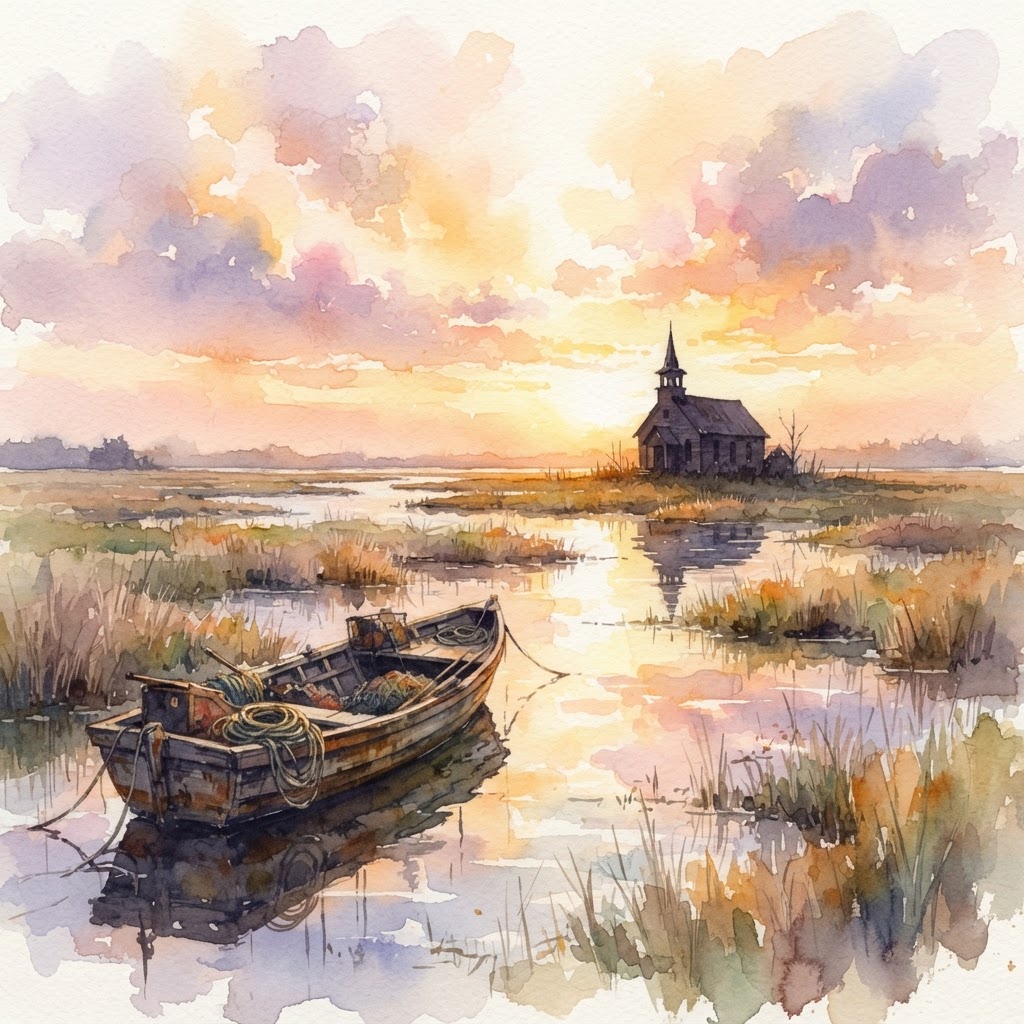
The Hidden Heart of the Crystal Coast\n\nFor most travelers, Cedar Island, North Carolina, is a name on a sign at the end of Highway 12—a necessary waiting room for the ferry to Ocracoke. But as a local who has spent years walking these salt-marshes, I can tell you that if you only see the ferry terminal, you are missing one of the most culturally rich pockets of the American South. The air here doesn't just smell like salt; it smells like stories. \n\nToday, we’re peeling back the layers of time with the Cedar Island Uncovered tour. This isn't your typical tourist trap. It’s a deep dive into the grit, the faith, and the resilience of a community that has survived hurricanes and wars for centuries. Let’s explore the markers and heritage sites that define this ruggedly beautiful landscape.\n\n## The Secrets of the Sea: The Old Shellfish Processing Plant\n\nOur journey begins with what we call the SECRET STOP: The Old Shellfish Processing Plant. Tucked away just off the main road, this site is a hauntingly beautiful reminder of when the island was a powerhouse of the maritime industry. You can still see the remnants of the old machinery, now oxidized by the Atlantic spray. In its heyday, this plant was the heartbeat of the local economy, where generations of islanders shucked oysters and processed blue crabs that would travel across the East Coast. Walking through the ruins, you get a palpable sense of the hard work and maritime ingenuity that built Cedar Island.\n\n## Spiritual Foundations: Shiloh Church and Cemetery\n\nMoving inland, we visit the Shiloh Church and Cemetery. Established in the late 1800s, this site is more than just a place of worship; it’s a genealogical record of the island. The church has stood as a beacon of hope through every major storm, serving as a sanctuary for both the soul and the body. The adjacent cemetery houses the pioneers of this region—names like Goodwin, Lupton, and Styron—carved into weathered headstones that face the rising sun. It’s a quiet, reflective spot that highlights the deep spiritual roots of the community.\n\n## Living History: The Historic Cedar Island Home\n\nArchitecture lovers will be captivated by The Historic Cedar Island Home. This beautifully preserved residence is a masterclass in 19th-century coastal design. Built to withstand the gale-force winds of the Outer Banks, the home features steep rooflines and wrap-around porches that were designed for 'cooling breezes' long before air conditioning existed. As you walk through the rooms, the tour guides share tales of the families who shaped the island, offering a domestic look at life during the 1800s.\n\n## Ancient Connections: The Indian River Site\n\nLong before the first European settlers arrived, the Coree and other Indigenous peoples called these marshes home. The Indian River Site is a historically significant area that reflects this ancient heritage. Archaeological findings here—ranging from pottery shards to ancient tools—showcase a profound connection to the land and the water. It serves as a somber and beautiful reminder that we are all just temporary stewards of this fragile coastline.\n\n## A Path to Freedom: The Freedmen’s Bureau Site\n\nThe history of the American South is often complex, and Cedar Island is no exception. The Freedmen’s Bureau Site is a critical stop on our tour. Following the Civil War, this location served as a vital assistance point for newly freed African Americans. Here, education was provided, legal marriages were recorded, and resources were distributed to help build a new life of liberty. Standing on this ground, you can feel the weight of history and the flickering light of hope that characterized the Reconstruction era.\n\n## Echoes of Conflict: Battle of Cedar Island Memorial\n\nThough small, this island did not escape the turmoil of the 1860s. The Battle of Cedar Island Memorial honors the soldiers who fought during the Civil War. The impact of the war on this small, isolated community was devastating, tearing families apart and reshaping the local economy. The memorial serves as a place of remembrance for the bravery and the loss experienced by both soldiers and the civilians who lived in the crossfire.\n\n## Commerce and Connection: The Railway Depot and Tobacco Warehouse\n\nIt’s hard to imagine now, but Cedar Island was once a bustling hub of inland commerce. Two sites on the Cedar Island Uncovered tour bring this era to life:\n\n* Cedar Island Railway Depot: Established in the early 1900s, this depot was the lifeline that connected the island to larger urban centers like New Bern and beyond. It allowed for the export of seafood and the import of goods that the island couldn't produce itself.\n* Cedar Island Tobacco Warehouse: While seafood was king, the agricultural heritage of North Carolina also found its way to the coast. This 19th-century warehouse was a hub for the tobacco trade, showcasing a time when the golden leaf was the primary currency of the state.\n\n## Planning Your Cedar Island Adventure\n\nIf you're ready to see the side of Cedar Island that the ferry-goers miss, here are a few tips:\n\n1. Wear Comfortable Shoes: Some of these sites, like the Indian River Site, require a bit of walking on uneven terrain.\n2. Bring a Camera: The Old Shellfish Processing Plant is a dream for photographers, especially at golden hour.\n3. Respect the Sites: Many of these locations, particularly the cemeteries and the Freedmen’s Bureau site, are sacred ground. Please stay on marked paths.\n\n## FAQ about Cedar Island History\n\nQ: Is Cedar Island part of the Outer Banks?\nA: Geographically, it is often considered the southern gateway to the Outer Banks, though it maintains a distinct culture separate from the northern tourist hubs.\n\nQ: How long does the Cedar Island Uncovered tour take?\nA: Typically, the full circuit of markers and heritage sites takes about 3 to 4 hours to complete at a leisurely pace.\n\nQ: Are the sites accessible year-round?\nA: Yes, though some outdoor areas like the Indian River Site can be buggy in the peak of summer. Fall and Spring are the best times to visit!\n\n## Final Thoughts\n\nCedar Island is a place where the past isn't just remembered; it's lived. From the rusted gears of the processing plant to the quiet dignity of the Shiloh Cemetery, every corner of this island has a story to tell. Don't just drive through—stop, listen, and let the history of this remarkable place uncover itself to you.
Sponsored
Google Ads slot — will render here once AdSense is connected.
Share this article
#North Carolina#Cedar Island#Coastal Travel#Heritage Tourism#Civil War History#Hidden Gems